Your Ultimate Guide to Jibhi: The Hidden Hill Station of 2026
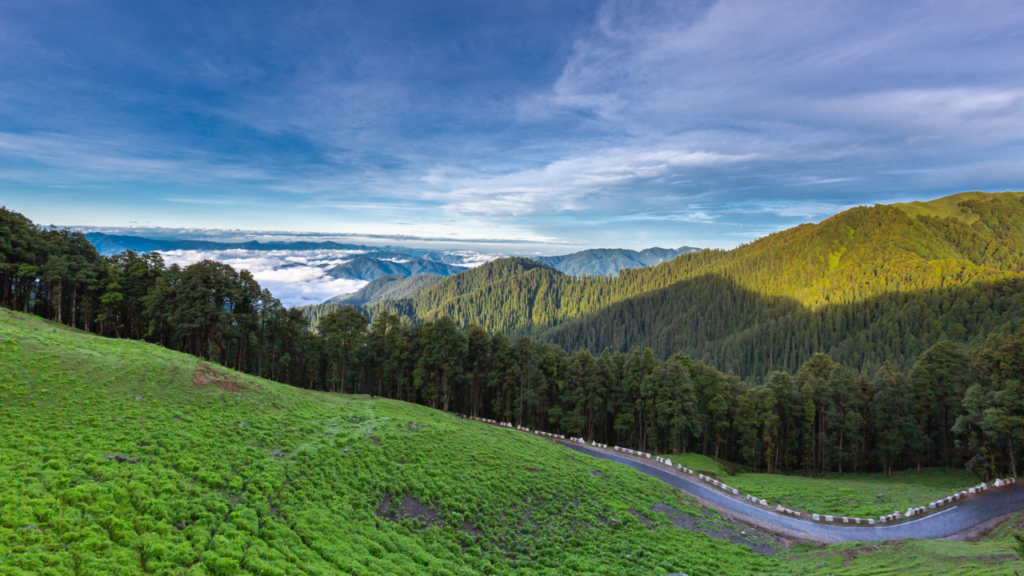
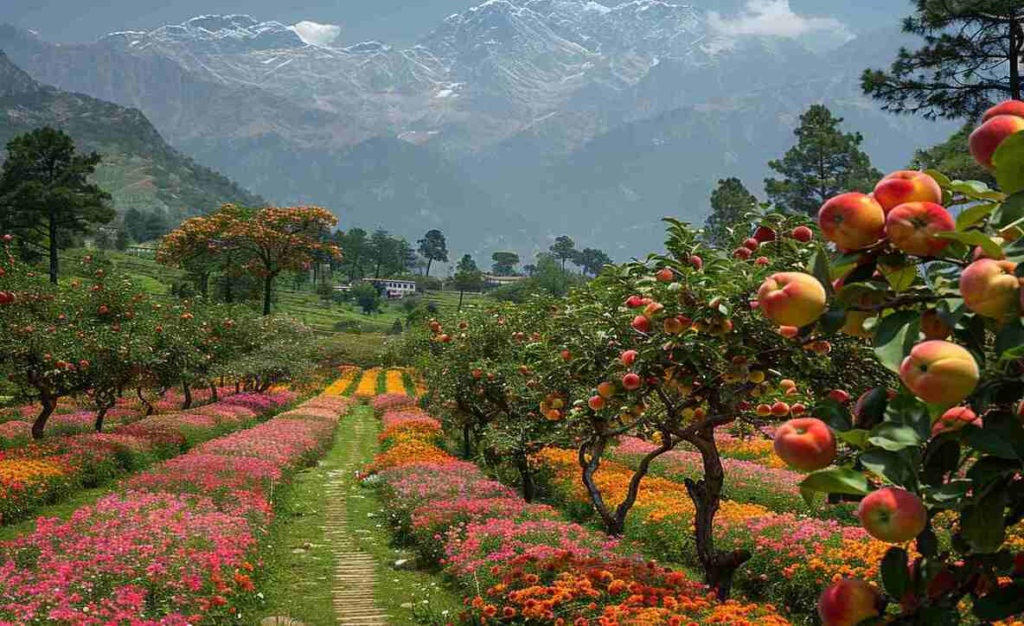
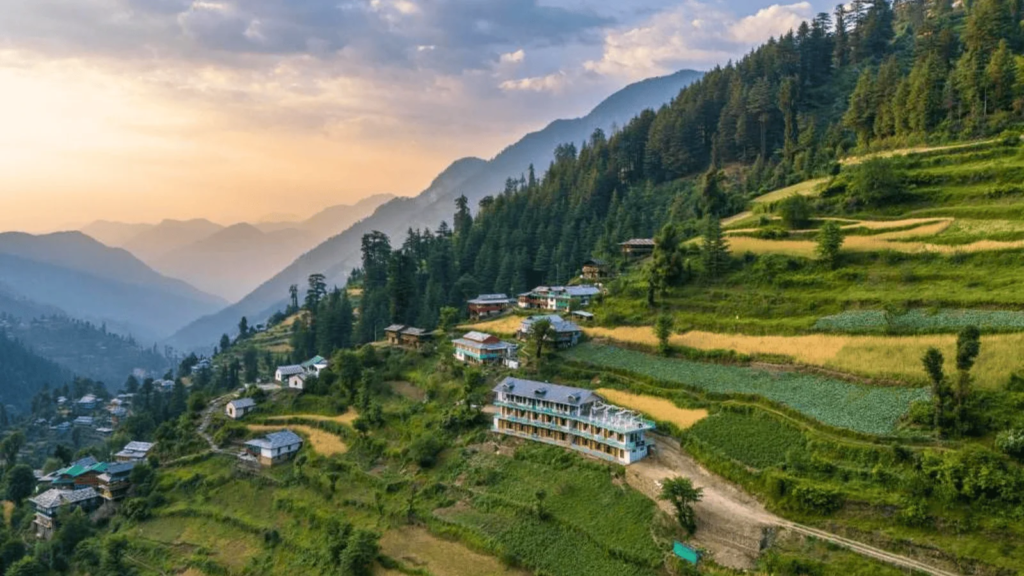
If you’re searching for a serene escape to reconnect with nature, let me introduce you to Jibhi, the crowning jewel of the Tirthan Valley. Nestled deep within the Banjar region of Himachal Pradesh, this village has become the definitive destination for “slow travel” in 2026. While places like Manali become increasingly commercialized, Jibhi remains a sanctuary of traditional wooden architecture, glacial streams, and ancient forests.
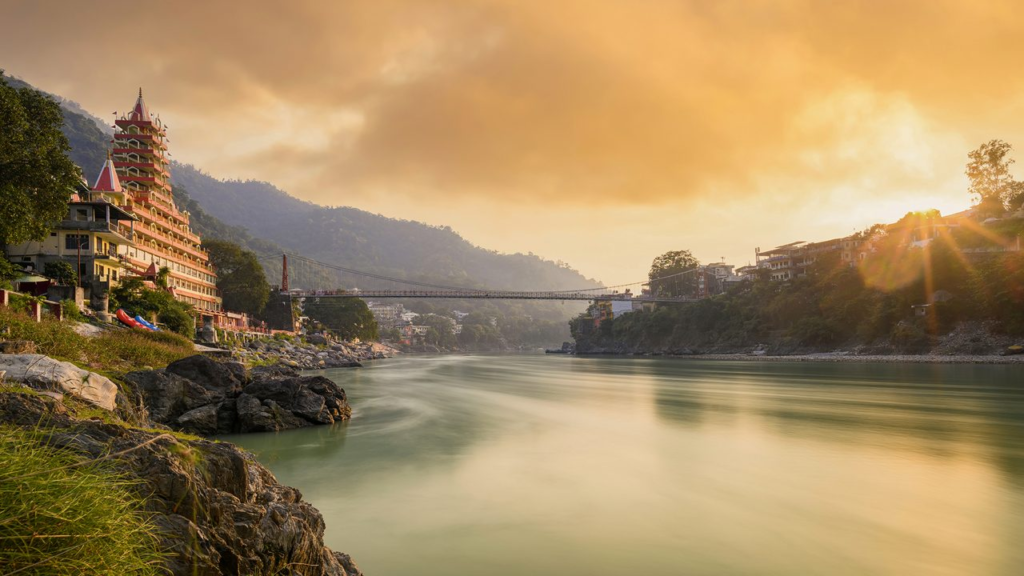
Imagine waking up to the rhythmic roar of the Tirthan River, the scent of fresh pine needles, and the sight of mist rolling over emerald ridges. This guide covers every detail you need to plan your perfect Himalayan retreat.
The Vibe & History: A Living Heritage
Jibhi is not just a destination; it is a step back in time. Unlike the concrete structures of the plains, Jibhi is famous for its Kathkuni architecture—a traditional Himalayan building style using interlocking wood and stone without mortar, designed to survive seismic tremors.
Historically, the village sat on the periphery of the ancient trade routes that linked the plains of Punjab to the high-altitude passes of Kinnaur. The locals are part of the vibrant Pahari community, and their traditions are deeply intertwined with the Great Himalayan National Park (a UNESCO World Heritage site). In 2026, the vibe remains fiercely local, sustainable, and tranquil.
Top Things to Do in Jibhi (2026 Edition)
1. The Enchanted Jibhi Waterfall
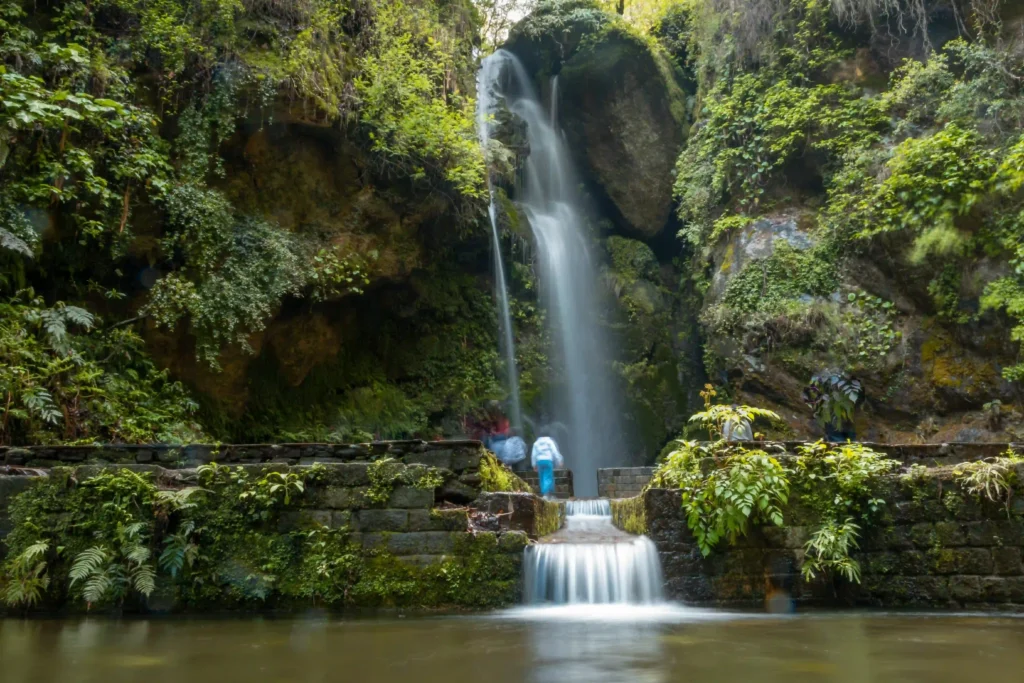
Tucked within a short, 10-minute walk through a forest of massive pine trees, the waterfall is a hidden paradise. The local community has built small wooden bridges over the stream, creating a path that feels like something out of a fairy tale.
- Pro-Tip: Visit early in the morning (7:00 AM) to experience the sun rays piercing through the forest mist.
2. The Jalori Pass & Serolsar Lake Expedition
At an altitude of 3,120 meters, Jalori Pass is the highest point accessible by vehicle in the region.
- The Trek: From the pass, a 5-km well-marked trail leads to Serolsar Lake. The lake is considered sacred to the goddess Buddhi Nagin.
- The Phenomenon: Despite the surrounding dense oak forest, the lake’s surface is always spotless; local legend says the birds of the forest pick up every leaf that falls into the water.
3. Chaini Kothi: A 1,500-Year-Old Wonder
A moderate trek from Jibhi takes you to the village of Chaini, home to the Chaini Kothi. This is a 12-story (originally 15) watchtower-style temple built entirely in the Kathkuni style. Standing over 45 meters tall, it is the tallest free-standing structure built in this traditional manner in the entire Western Himalayas.
4. Angling in the Tirthan River
The Tirthan River is famous for its Rainbow and Brown Trout. For travelers who enjoy a slow afternoon, obtaining a fishing permit and spending a few hours by the riverbank is a quintessential Jibhi experience.
Creator Tip: The lighting in Jibhi’s cedar forests is a dream for “Cinematic Mountain” aesthetics. Consider a Skillshare course on Travel Cinematography before your trip. You can then edit your 2026 Himalayan raw footage using Wondershare Filmora.
2026 Travel Logistics: How to Reach
- By Air: The nearest airport is Bhuntar (Kullu), about 50 km away. For the best 2026 flight rates, check Mytrip.com or Flight Network.
- By Train: The closest broad-gauge station is Chandigarh (~250 km). From there, you can take a luxury bus or private taxi.
- By Road: Jibhi is well-connected via the Chandigarh-Manali highway. If you are driving your own vehicle, ensure it is protected for steep mountain terrain with ICICI Lombard Car Insurance or Acko Car Insurance. Bikers should secure their journey via Acko Bike Insurance.
Safety, Claims & Finance
- Baggage & Delay Claims: Mountain flights are often susceptible to delays. If the airline loses your bags or your flight is significantly delayed, AirAdvisor now handles baggage claims alongside flight compensation.
- Connectivity: Stay connected in the remote valleys with an eSIM:
- Smart Budgeting: Earn rewards on your 2026 bookings:
- Apply for IndusInd Tiger Credit Card (Best for travel perks).
- Apply for SBI Credit Card.
- International Health: Foreign tourists should use AURAS Travel Insurance for comprehensive coverage in the Himalayas.
Best Time to Visit
- Summer (March – June): Ideal for trekking. Temperatures stay between 15°C to 25°C.
- Monsoon (July – September): The valley turns an intense, emerald green. While beautiful, be prepared for occasional road blocks and carry a high-quality raincoat.
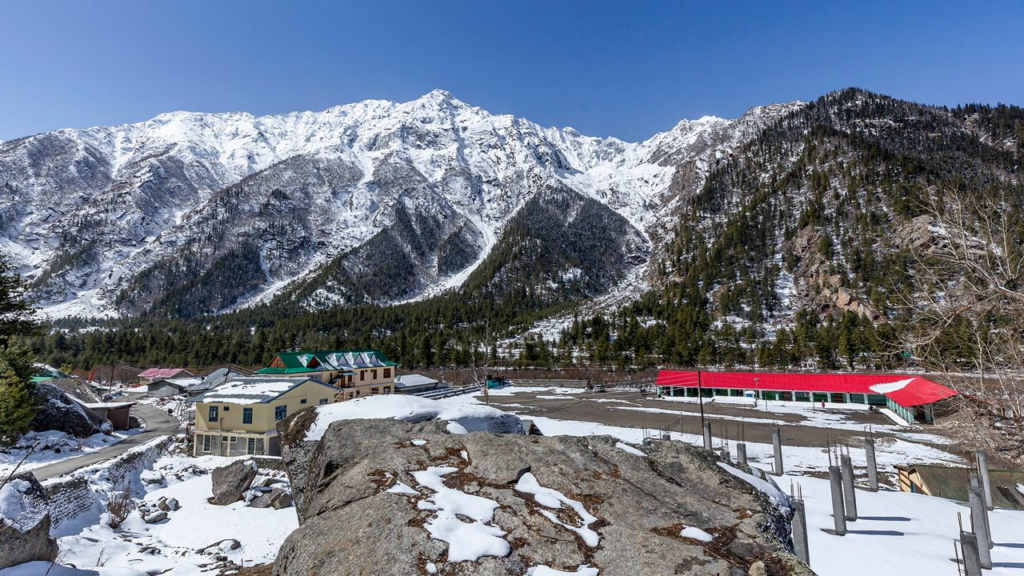
- Winter (October – February): For snow enthusiasts. Temperatures drop to -2°C, and the stone houses look like they are part of a snow globe.
Local Cuisine: A Taste of the Banjar Valley
- Siddu: A yeast-based steamed bread filled with walnuts, poppy seeds, and spices, served with local ghee.
- Trout Fish: Freshly caught and grilled with local mountain herbs.
- Chana Madra: A rich, yogurt-based chickpea curry.
- Khoru: A warm buttermilk soup seasoned with local spices.
FAQ Section
Q: Is Jibhi safe for solo female travelers? A: Yes, Jibhi is considered extremely safe. The community is tight-knit and very respectful of tourists.
Q: What if my luggage is lost at the airport? A: Use AirAdvisor immediately. They will manage your claim for lost or delayed baggage so you don’t lose time on your holiday.
Q: How many days are enough for Jibhi? A: 3 to 5 days is the sweet spot. This allows for relaxation by the river and treks to Jalori and Chaini Kothi.
Q: Is there an ATM in Jibhi? A: There are a few ATMs in the main Banjar market (~7 km away), but they often run out of cash. Always carry enough cash from Aut or Bhuntar.
Conclusion
Jibhi is the perfect antidote to the stress of modern life. Whether you’re gazing at the 1,500-year-old stone walls of Chaini Kothi or listening to the river from a wooden treehouse, Jibhi promises a 2026 escape that will stay with you forever.