The Ultimate Guide to Shoja: An Underrated Gem in India (2026)
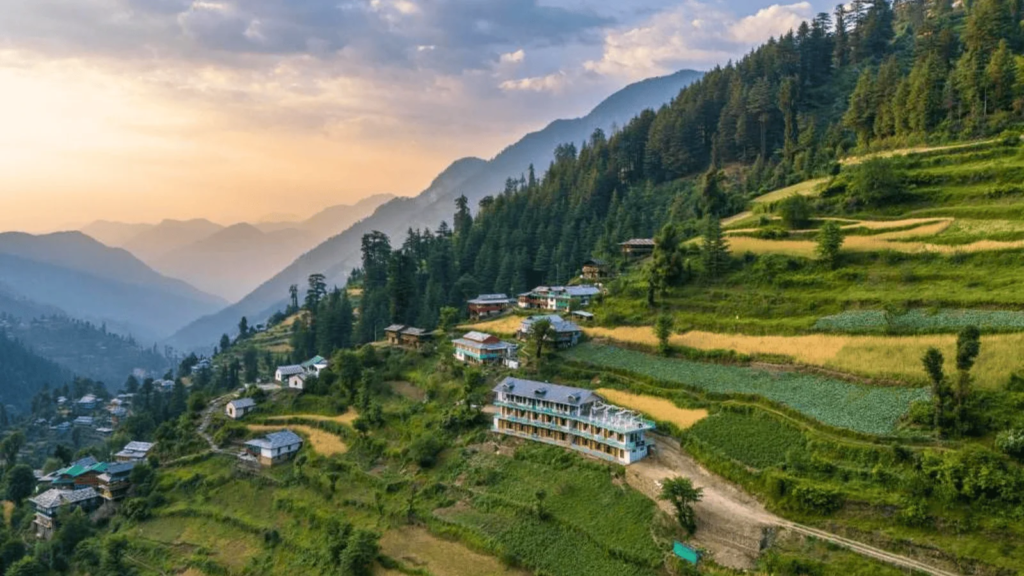
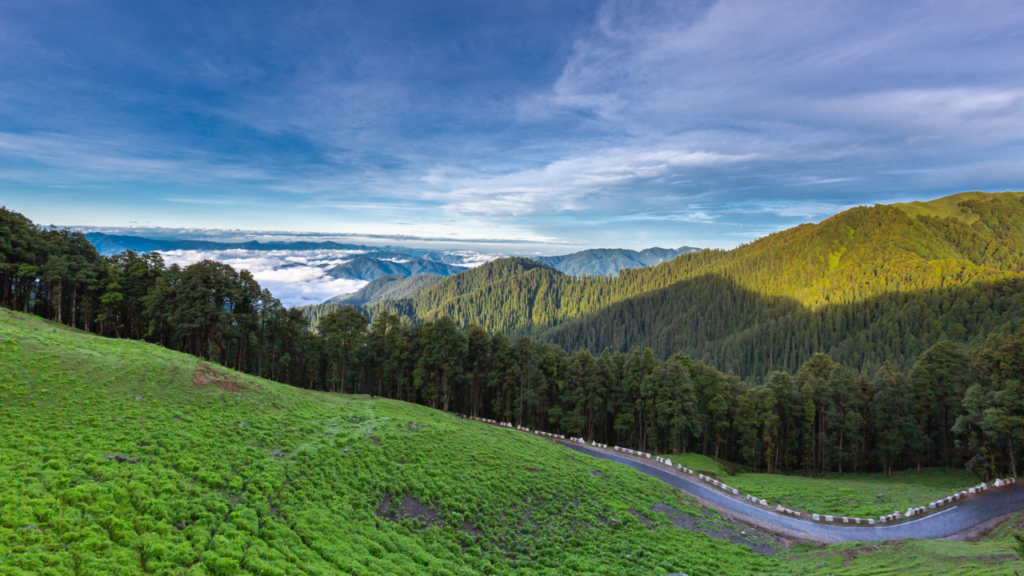
When you think of hill stations in India, you might picture bustling spots like Manali or Shimla. But let me take you off the beaten path to an extraordinary place called Shoja. Nestled at an altitude of 2,692 meters in the Seraj Valley, this quaint village is a soothing escape for those seeking true serenity. In 2026, Shoja remains one of the few places in the Himalayas where you can hear the wind whistling through the deodar trees rather than the sound of tourist traffic.
Introduction
Shoja is a hidden gem that beautifully embodies the charm of the mountains without the fuss of the usual crowds. If you’re a travel enthusiast worn out by the hustle and bustle, Shoja offers a tranquil atmosphere, stunning views, and a touch of authentic local culture. Whether you’re planning a romantic getaway or a family adventure, there’s something about this peaceful haven that instantly warms your heart.
The Vibe & History
In Shoja, time slows down. The air is crisp and invigorating, and the lush greenery of the Great Himalayan National Park (a UNESCO World Heritage site) envelops you in a comforting embrace. Historically, Shoja served as a quiet link on the trade routes between the Kullu and Shimla districts.
The architecture here is iconic—traditional wooden houses with sloped roofs and intricate carvings, built to withstand heavy snowfall. The laid-back vibe, coupled with the friendly smiles of the local residents, creates the perfect backdrop for a refreshing mountain retreat.
Top Things to Do in Shoja (2026 Edition)
1. Discover Serolsar Lake (via Jalori Pass)
While many travelers mention Jhawar, the true crown jewel of the region is Serolsar Lake. A 5-km trek from the nearby Jalori Pass leads you through dense oak forests to this pristine, sacred lake.
- The Legend: Locals believe the lake is protected by the goddess Buddhi Nagin, and remarkably, the water remains spotless as birds are said to pick up any leaf that falls onto the surface.
2. Explore the Great Himalayan National Park (GHNP)
Nature lovers, rejoice! The GHNP is just a short drive away. With trails for all levels, from leisurely bird-watching walks to multi-day challenging hikes, you can immerse yourself in one of the most biodiverse regions in the world.
3. Stroll Through the Village
Take a leisurely walk through the winding lanes of Shoja. The village is lined with quaint houses, vibrant wildflowers, and ancient temples. It’s the perfect place to witness the “Kathkuni” style of architecture—interlocking wood and stone that has survived for centuries.
4. Trek to Raghupur Fort
For panoramic 360-degree views of the Himalayas, take the trek to the ruins of Raghupur Fort. The climb is moderate, but the reward is a massive meadow at the top with views reaching as far as the snow-clad peaks of the inner Himalayas.
Creator Tip: The lighting at Jalori Pass during sunset is spectacular for vlogs. I recommend taking a Travel Photography course on Skillshare before your trip. You can then edit your 2026 mountain reels using Wondershare Filmora.
2026 Travel Logistics: How to Reach
- By Flight: The nearest airport is Kullu-Manali Airport (Bhuntar), approximately 55 km away. For the best 2026 flight deals, check Mytrip.com or Flight Network.
- By Train: The closest broad-gauge railway station is Chandigarh (~250 km). From there, luxury buses and taxis are the best options.
- By Road: Shoja is accessible via well-maintained roads from Delhi and Chandigarh via the Aut tunnel. If you’re driving, ensure your vehicle is protected for mountain terrain with ICICI Lombard Car Insurance or Acko Car Insurance. Bikers should secure their ride with Acko Bike Insurance.
Safety, Claims & Protection
- Baggage & Delay Claims: Mountain flights are often susceptible to weather-related delays. If the airline loses your bags or your flight is delayed, AirAdvisor now handles baggage claims alongside flight compensation.
- Connectivity: Stay connected in the remote Seraj Valley with an eSIM:
- Smart Budgeting: Earn rewards on your 2026 hotel and fuel bookings:
- International Health: Foreign tourists should use AURAS Travel Insurance for comprehensive coverage in high-altitude zones.
Best Time to Visit
- Summer (March to June): Perfect weather (15°C to 25°C), ideal for exploring the National Park.
- Monsoon (July to September): The valley turns a vibrant emerald green. While beautiful, be cautious of landslides and check road status.
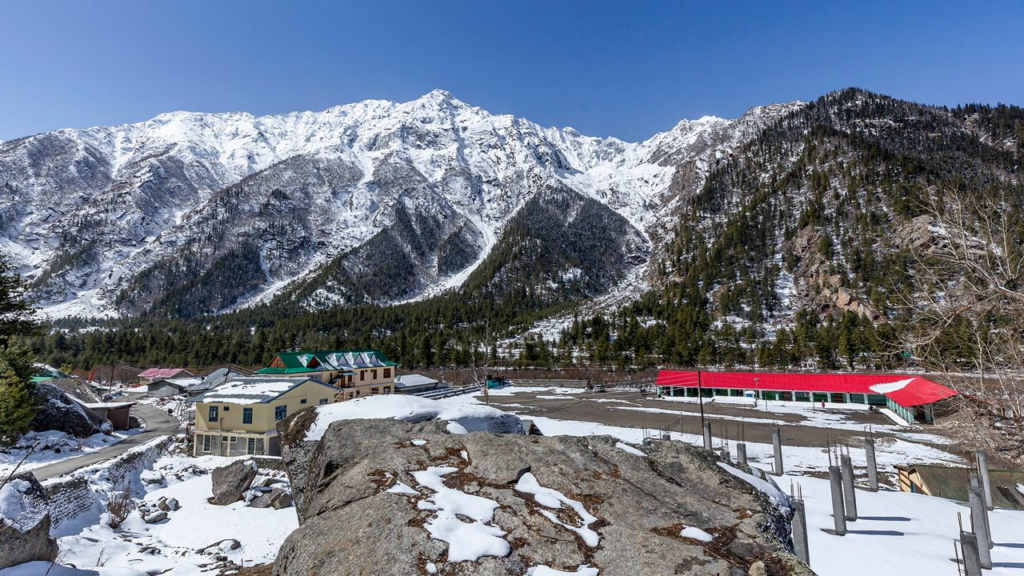
- Winter (December to February): A snowy wonderland. Temperatures can dip to 0°C or below, perfect for those seeking a white Himalayan winter.
Local Cuisine: What to Eat
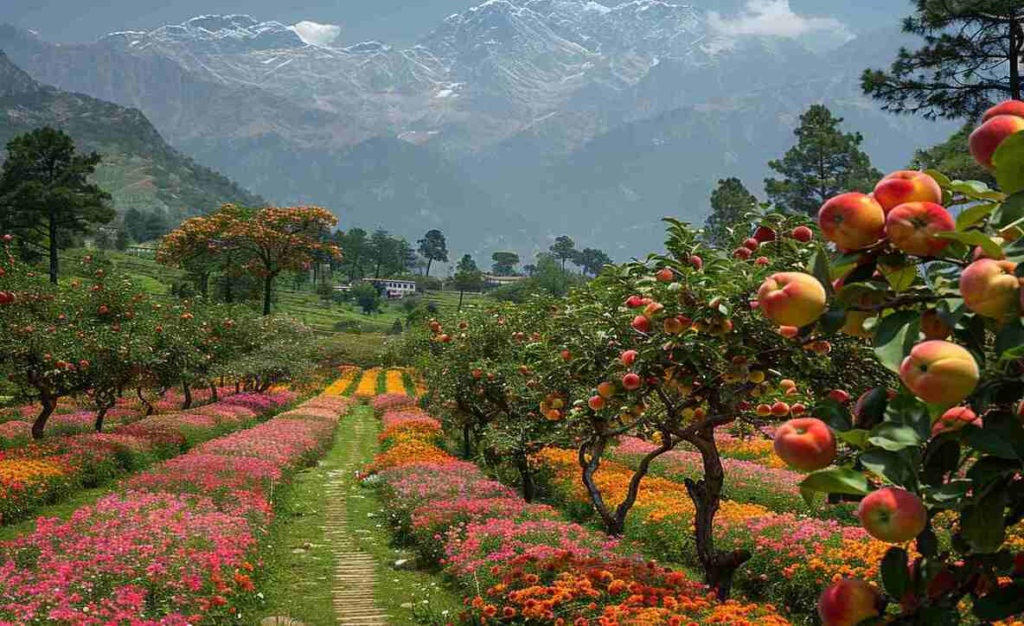
Shoja offers hearty Himachali flavors. Savor local dishes like Siddu (steamed bread with poppy seeds), Chana Madra, and Trout Fish from the nearby Tirthan River. For dessert, try the delicious apple and plum jams produced in the local orchards.
FAQ Section
Q: Is Shoja safe to visit? Yes, Shoja is generally safe. However, always check the weather before crossing Jalori Pass, especially in winter or monsoon.
Q: How many days are enough for Shoja? A 3-4 day trip is perfect to explore the village, Serolsar Lake, and the Raghupur Fort.
Q: What if my luggage is lost at the airport? Use AirAdvisor to manage your claim for lost or delayed baggage so you don’t lose time on your holiday.
Q: Does it get snowfall? Yes, Shoja receives significant snowfall between December and February.
Conclusion
In a world overflowing with busy destinations, Shoja stands out as a peaceful hideaway brimming with charm. With stunning landscapes and a warm community, it’s the perfect spot to reconnect with nature in 2026. Pack your bags and let your journey to this beautiful hill station begin!