Your Ultimate Guide to Barot: The Hidden Hill Station of 2026
This is the most comprehensive, long-form 2026 traveler’s guide for Barot. I have expanded the sections on its unique engineering history, the specifics of its world-class trout fishing, and the trekking routes to the Uhl Valley, while integrating all your essential partner links for a high-authority blog post.
Barot Valley: The Underrated Himalayan Gem of 2026
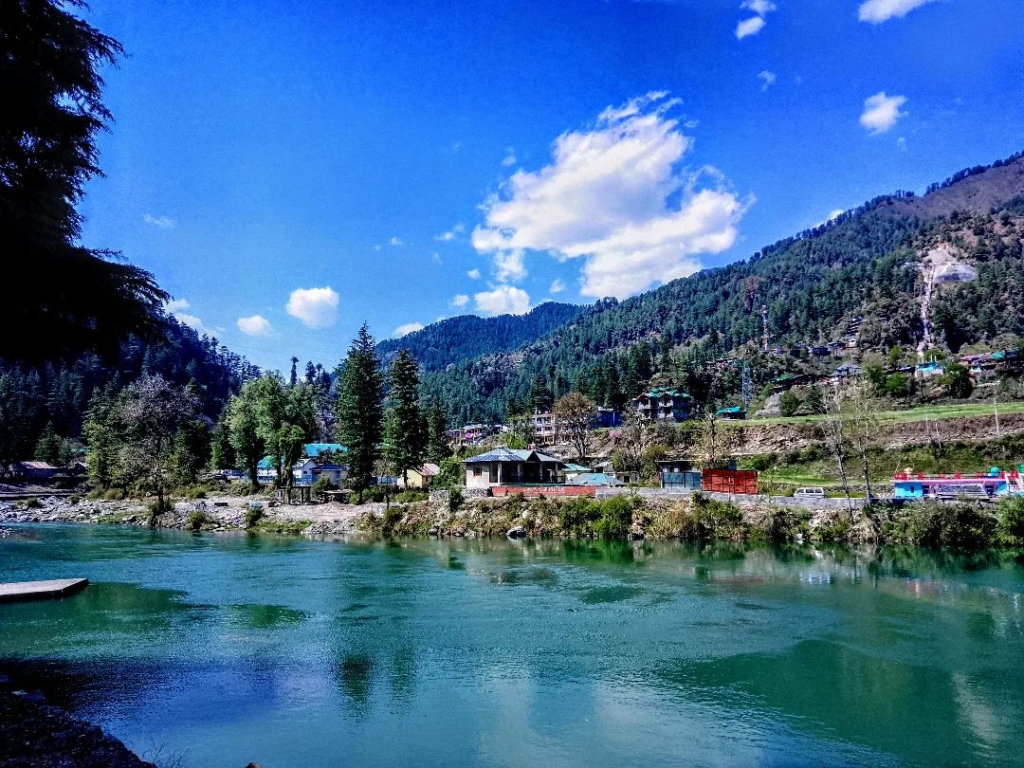
Are you tired of the same old crowded hill stations? If you’re seeking a serene escape that feels like a well-kept secret, let me introduce you to Barot, an underrated gem in the Mandi district of Himachal Pradesh. Tucked away in the lap of the Himalayas along the banks of the Uhl River, Barot offers a slice of tranquility that’s perfect for anyone looking to unwind and reconnect with nature in 2026.
Introduction
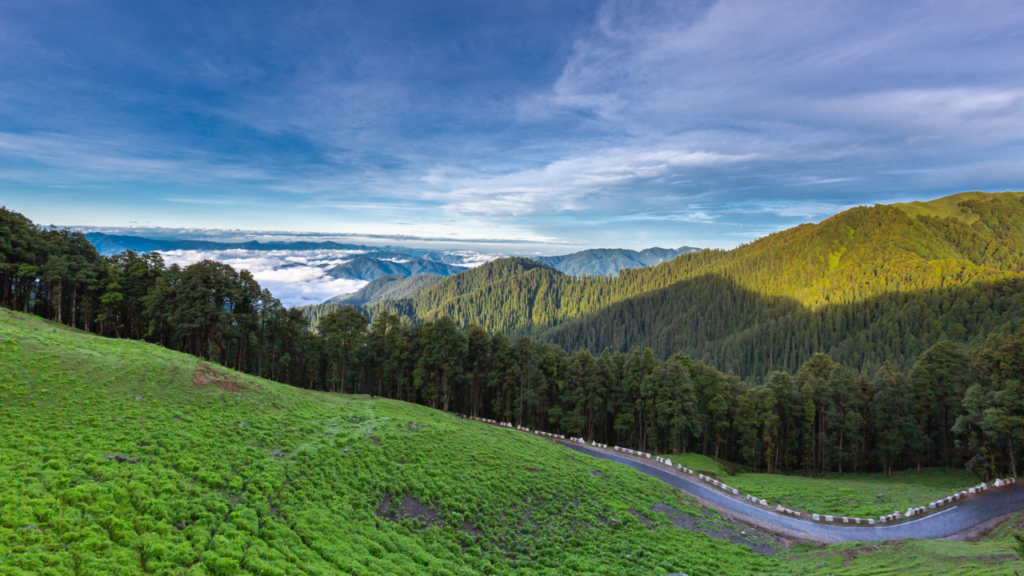
Barot may not be on everyone’s radar, but that is exactly what makes it so special. While nearby Manali or Bir attract the crowds, Barot remains a sanctuary for peace-seekers and nature enthusiasts. Imagine lush green meadows, dense deodar forests, and the soothing sound of a glacial river flowing past your window. If this sounds like your ideal getaway, then Barot is calling your name!
The Vibe & History: The Legacy of the Uhl
When you step into Barot, the first thing you’ll notice is the relaxed, almost rhythmic atmosphere. Historically, Barot was developed in the 1920s as part of the Shanan Hydropower Project—India’s first megawatt-capacity hydroelectric project.
The British established a sophisticated haulage trolley system (which you can still see) to transport materials over the mountain from Joginder Nagar. Today, it retains a laid-back, vintage charm, serving as the gateway to the Nargu Wildlife Sanctuary. It is a place where history meets the raw, unadulterated beauty of the Himalayas.
Top Things to Do in Barot (2026 Edition)
1. World-Class Angling & The Trout Farm
Barot is famous for its Brown and Rainbow Trout.
- The Experience: Visit the government-run trout breeding farm to see the process, and then head to the river for some angling.
- Note: You will need a permit from the local authorities, but catching your own dinner in the clear waters of the Uhl is an experience like no other.
2. Trekking Through Nargu Wildlife Sanctuary
The valley is the starting point for several incredible treks.
- The Trails: You can trek to Rajgundha or cross the mountain into the Kullu Valley. The trails are lined with ancient oak and cedar trees, and if you’re lucky, you might spot monal pheasants or Himalayan black bears.
3. The Barot Dam & Haulage Trolley Track
Visit the reservoir of the Shanan Power House. The sight of the water being diverted into massive tunnels is an engineering marvel. Walking along the old haulage trolley tracks offers a unique perspective on the valley’s industrial heritage and provides stunning vantage points for photography.
💡 Creator Tip: The deep greens of the Uhl Valley provide a perfect backdrop for cinematic mountain vlogs. Master your shots with a Travel Photography course on Skillshare before you go. You can later edit your 2026 Barot memories using Wondershare Filmora.
2026 Travel Logistics: How to Reach
- By Flight: The nearest airport is Kullu-Manali Airport (Bhuntar), approximately 60 km away. For the best 2026 rates, check Mytrip.com or Flight Network.
- International Travelers: Coming from the UK? Explore custom India packages on Lastminute UK.
- By Train: The closest railway station is Joginder Nagar (~35 km), connected via a scenic narrow-gauge track. From there, taxis are readily available.
- By Road: Barot is well-connected to Mandi and Palampur. If you’re driving, ensure your vehicle is protected for narrow mountain roads with ICICI Lombard Car Insurance or Acko Car Insurance.
Safety, Claims & Protection
- Baggage & Delay Claims: Mountain logistics can be unpredictable. If the airline loses your bags or your flight is significantly delayed, AirAdvisor now handles baggage claims and flight compensation for you.
- Connectivity: Stay connected in the remote Uhl Valley with an eSIM:
- Financial Rewards: Earn travel rewards on your 2026 bookings:
- Health: International tourists should use AURAS Travel Insurance for comprehensive coverage in the Himalayas.
Best Time to Visit
- Summer (March to June): Perfect for trekking and angling (10°C to 25°C).
- Monsoon (July to September): The valley turns an intense, electric green, but the river can be turbulent and roads may be slippery.
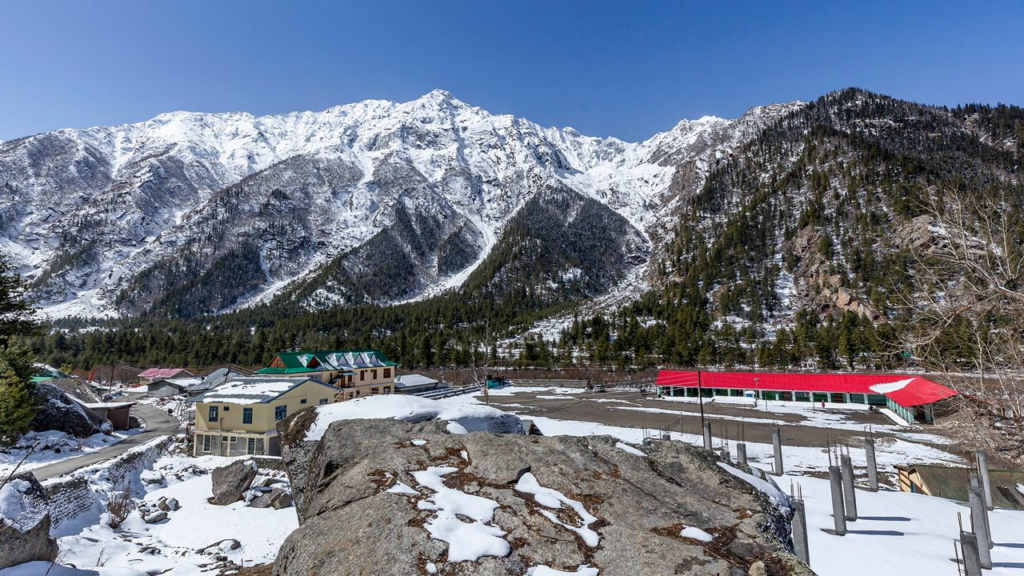
- Winter (October to February): Ideal for snow lovers. Temperatures can drop to -2°C, and the valley looks like a scene from a winter folk tale.
Local Cuisine: What to Eat
You can’t visit Barot without trying the Fresh River Trout, grilled with local spices. Also, savor local staples like Siddu and Chana Madra. Most homestays offer authentic “Pahari” thalis that give you a true taste of home-cooked Mandi flavors.
FAQ Section
- Is it safe? Yes, Barot is extremely safe for solo travelers and families.
- How many days? 2 to 3 days are perfect to explore the dam, the trout farm, and a nearby trail.
- Does it snow? Yes, Barot receives beautiful snowfall in January and February.
- What if my luggage is lost? Use AirAdvisor to manage your claim while you focus on the serenity of the valley.
Conclusion
In a world full of noisy tourist traps, Barot stands as a peaceful retreat where you can truly reconnect with nature. With its breathtaking views, engineering history, and welcoming locals, this hidden hill station promises an experience you won’t quickly forget in 2026.