Your 2026 Ultimate Guide to Chamba: An Underrated Hill Station in India
Introduction
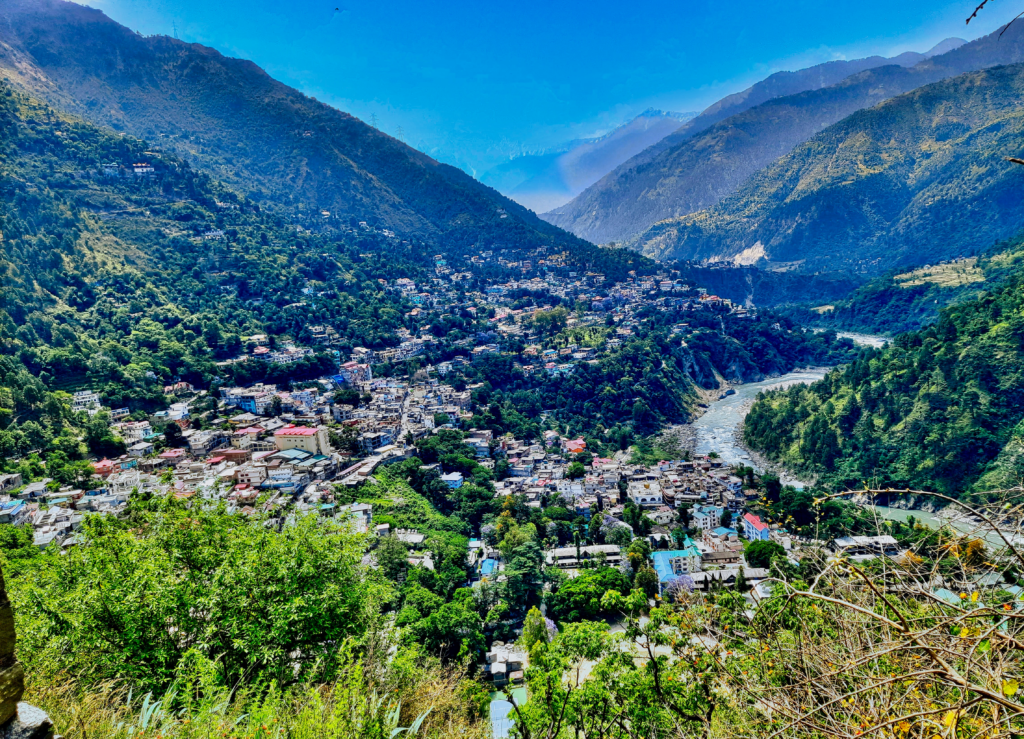
Nestled in the heart of the Indian Himalayas, Chamba is a destination that feels like a well-kept secret finally coming to light. While nearby Dalhousie captures the colonial crowds, Chamba at 996 meters offers a deep dive into ancient Indian royalty, stunning river landscapes, and a tranquil environment that remains untouched by commercial haste.
In 2026, Chamba has become the go-to retreat for travelers seeking an “authentic” Himalayan experience—one where history isn’t just in books, but in the very stones of the town.
The Vibe & History: 1,000 Years of Heritage
Chamba carries an inviting vibe that effortlessly soothes the soul. Unlike the “British” feel of many hill stations, Chamba is quintessentially Indian. Picture quaint cobblestone streets, vibrant medieval bazaars, and the magnificent backdrop of snow-clad mountains reflected in the Ravi River.
Historically, Chamba is one of the oldest princely states in India. Founded in 920 AD by Raja Sahil Varman (and named after his daughter, Champavati), the town has remained a center of art and culture for over a millennium. The local architecture, characterized by the “Shikhara” style temples, reflects a glorious bygone era that still breathes through local folklore and traditions.
Top Things to Do in Chamba (2026 Edition)
1. Discover the Bhuri Singh Museum
Start your journey at the Bhuri Singh Museum, established in 1908.
- The Experience: It is a treasure trove of Chamba’s artistic heritage, housing the world-famous Chamba Rumals (embroidered handkerchiefs that look like paintings) and rare miniature Pahari paintings. It provides the essential context for everything you will see in the town.
2. The Lakshmi Narayan Temple Complex
This is the architectural soul of Chamba. This 10th-century complex contains six major temples dedicated to Lord Shiva and Lord Vishnu. The intricate stone carvings and the serene atmosphere offer a powerful sense of peace and a glimpse into medieval craftsmanship that has survived for centuries.
3. Trek to Khajjiar: The “Mini Switzerland”
Just a short, scenic drive or trek away lies Khajjiar.
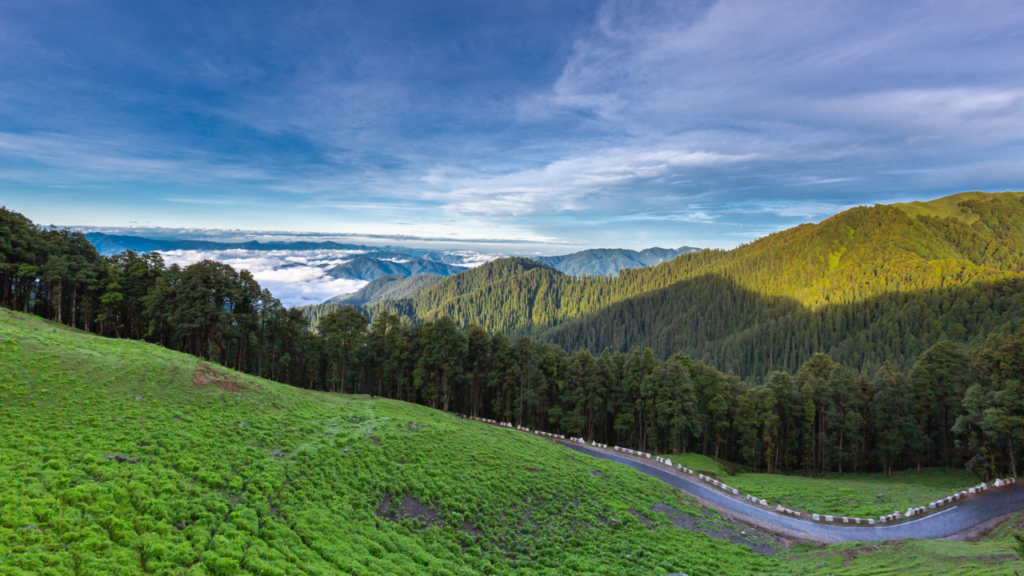
- The View: A vast emerald meadow surrounded by dense cedar forests with a small lake at its center. In 2026, Khajjiar remains a top spot for paragliding and zorbing, or simply a quiet picnic in what is often called the most beautiful meadow in India.
4. Stroll Along the Ravi River & Chougan
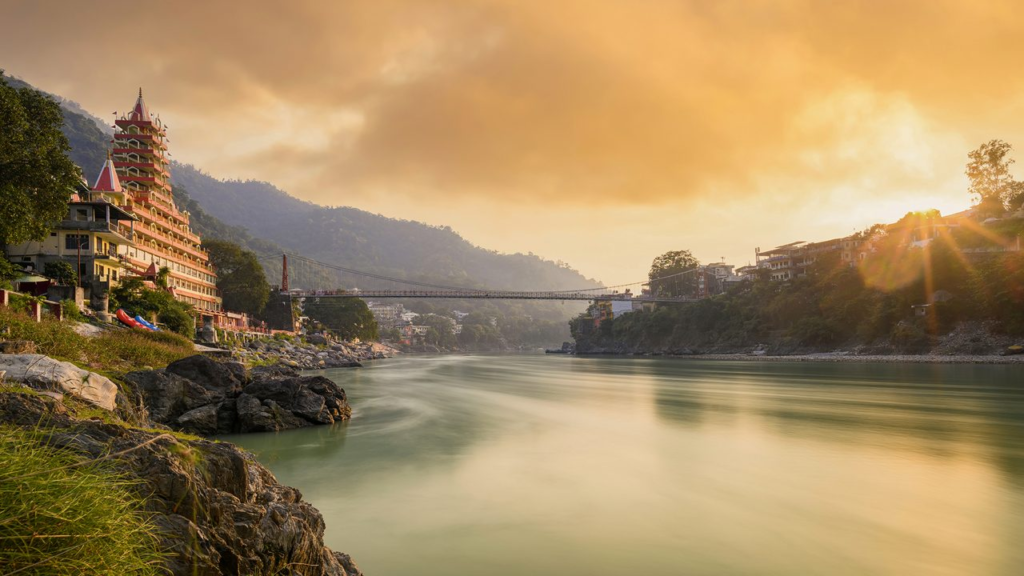
The Chougan is a massive public promenade in the heart of the town—the center of all social life. After exploring the markets, head to the banks of the Ravi River. The sound of the glacial water and the fresh mountain air are the perfect antidote to city stress.
💡 Creator Tip: The contrast between the ancient brown stone temples and the vibrant colors of the Chamba markets makes for incredible “National Geographic” style photography. Sharpen your skills with a Travel Photography course on Skillshare and edit your 2026 heritage vlogs using Wondershare Filmora.
2026 Travel Logistics: How to Reach
- By Flight: The nearest airport is Pathankot (IXP), approximately 120 km away. For the best 2026 rates, check Mytrip.com or Flight Network.
- By Train: Pathankot is the major railway hub. From there, you can hire a taxi for a scenic 4-hour climb into the mountains.
- By Road: Chamba is well-connected to Dalhousie, Pathankot, and Dharamshala. If you’re driving, protect your vehicle for the steep mountain curves with ICICI Lombard Car Insurance or Acko Car Insurance.
Safety, Claims & Protection
- Baggage & Delay Claims: Mountain travel can face occasional delays. If your flight is late or the airline loses your bags at Pathankot, AirAdvisor now handles baggage claims and flight compensation for you.
- Connectivity: Signal can be patchy in the older parts of town. Stay connected with an eSIM:
- Financial Rewards: Earn travel rewards on your 2026 bookings:
- Health: International tourists should use AURAS Travel Insurance for comprehensive coverage in the Himachal interior.
Best Time to Visit
- Summer (March to June): Pleasant and warm (15°C to 25°C). Ideal for exploring temples and trekking to Khajjiar.
- Monsoon (July to September): The valley turns a lush, dramatic green. Great for photography, but watch for road updates.
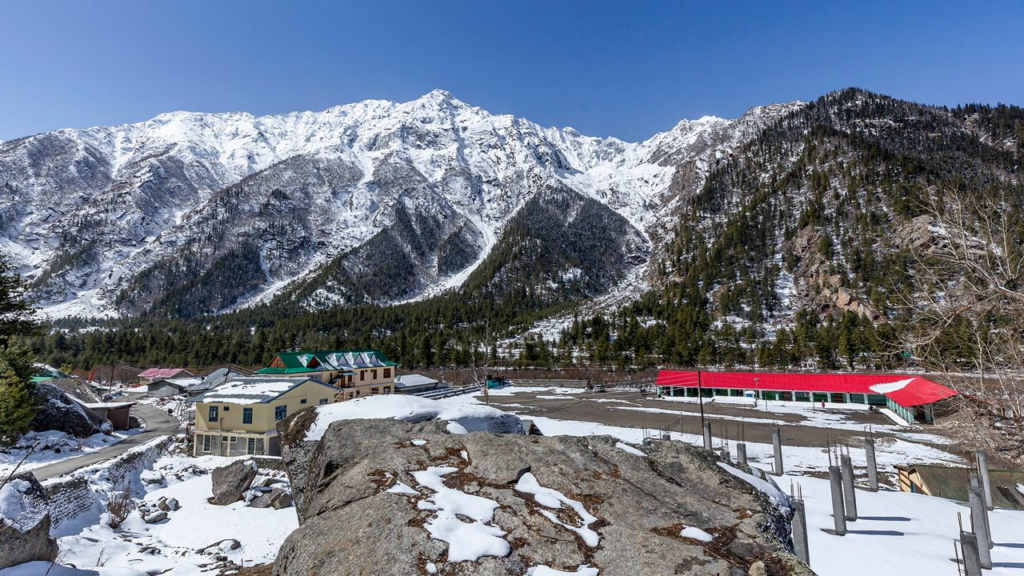
- Winter (December to February): The “Winter Wonderland” phase. Temperatures can drop to 0°C, and snowfall is common, especially in the nearby hills of Dalhousie and Khajjiar.
Local Cuisine: What to Eat
Chamba offers a unique culinary palette. You must try:
- Chamba Chukh: A fiery, citrusy chili paste that is a local legend.
- Madra: A slow-cooked yogurt-based chickpea curry.
- Chamba Rumali Roti: Paper-thin bread that pairs perfectly with local meat or lentil curries.
FAQ Section
- Is it safe? Yes, Chamba is extremely safe for all types of travelers.
- How many days? 3 to 4 days are ideal to see the town and take day trips to Khajjiar and Dalhousie.
- Does it snow? Snow is common in the surrounding high-altitude areas during Jan-Feb.
- What if my luggage is lost? Use AirAdvisor to manage your claim while you enjoy your “digital detox” in the hills.
Conclusion
Chamba is a hill station that enchants through its authenticity. Whether you’re wandering through the medieval Lakshmi Narayan complex or soaking up the views of the Ravi River, every moment feels like a discovery. Pack your bags for 2026 and uncover the charm of this underrated Himalayan jewel!