The Ultimate Guide to Chopta: The Unexplored Hill Station of 2026
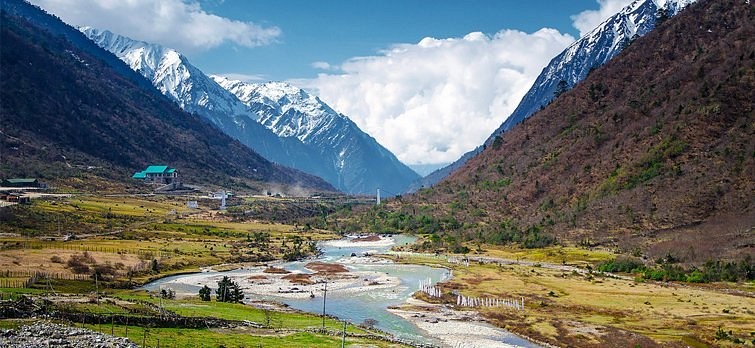
If you are searching for an unexplored sanctuary in the Indian Himalayas, your path leads to Chopta. Perched at an altitude of 2,680 meters (8,790 feet) within the Kedarnath Wildlife Sanctuary, Chopta is a rare high-altitude meadow (Bugyal) that remains remarkably untouched by mainstream commercialization.
In 2026, Chopta has become the go-to destination for “Pure Travel”—an escape for those who prioritize raw natural beauty, spiritual depth, and the silence of the peaks over bustling mall roads.
The Vibe & History: A Living Alpine Dream
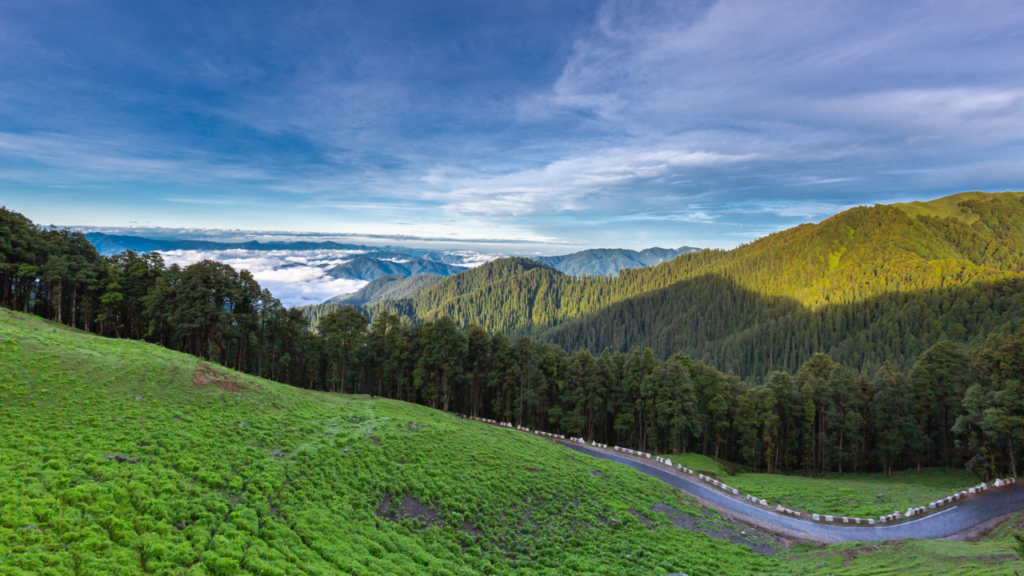
Stepping into Chopta feels like crossing a threshold into a different era. The air is thinner and sweeter, and the landscape is dominated by dense forests of deodar, pine, and rhododendron. Historically a small summer settlement for local shepherds, Chopta has blossomed into a legendary trekking base.
The “Mini Switzerland” moniker is no exaggeration; the rolling green meadows against the backdrop of the massive Chaukhamba, Kedar Peak, and Nanda Devi peaks create a visual harmony that is difficult to find elsewhere in Asia. The local Garhwali culture remains the soul of the region—warm, resilient, and deeply connected to the sacred geography of the Himalayas.
Top Experiences in Chopta (The 2026 Circuit)
1. The Tungnath Temple Trek: A Spiritual Climb
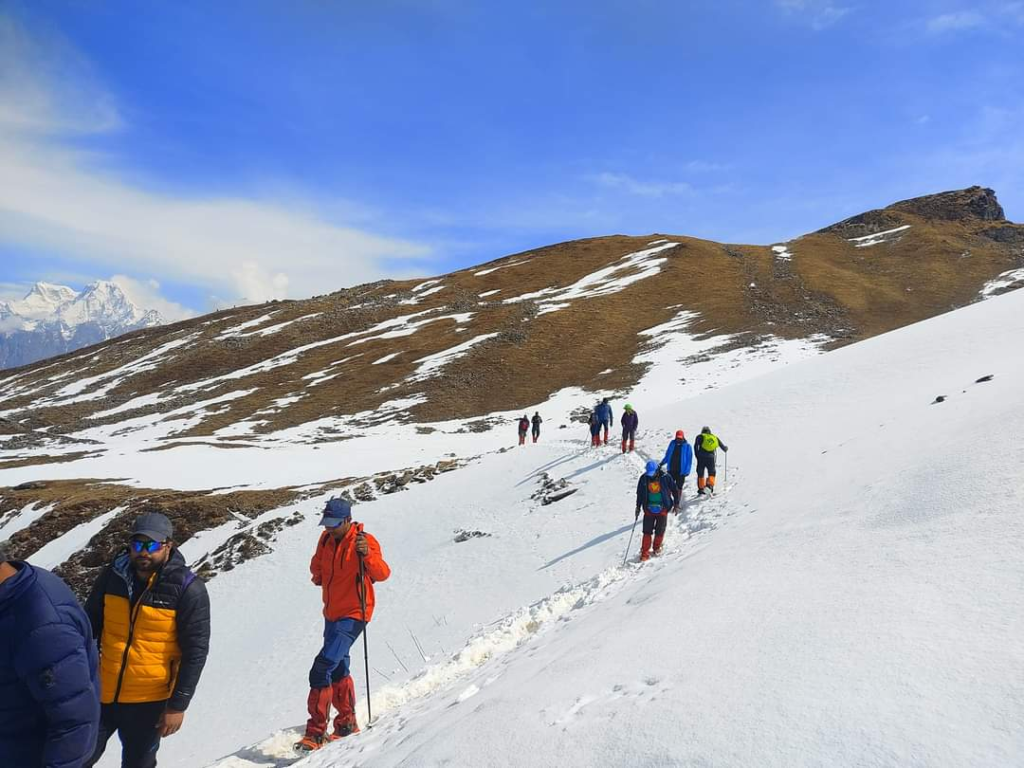
Chopta is the base for the trek to Tungnath, the highest Shiva temple in the world (3,680m).
- The Experience: The 3.5-km trek is paved and moderate, making it accessible for families. Walking through the rhododendron forests—which bloom bright red and pink in spring (March-April)—is a sensory delight.
- Pro Tip: In 2026, ensure you carry a reusable water bottle. The region is strictly “Plastic-Free,” and forest guards often check for disposable plastics at the trailhead.
2. Chandrashila Summit (The Moon Rock)
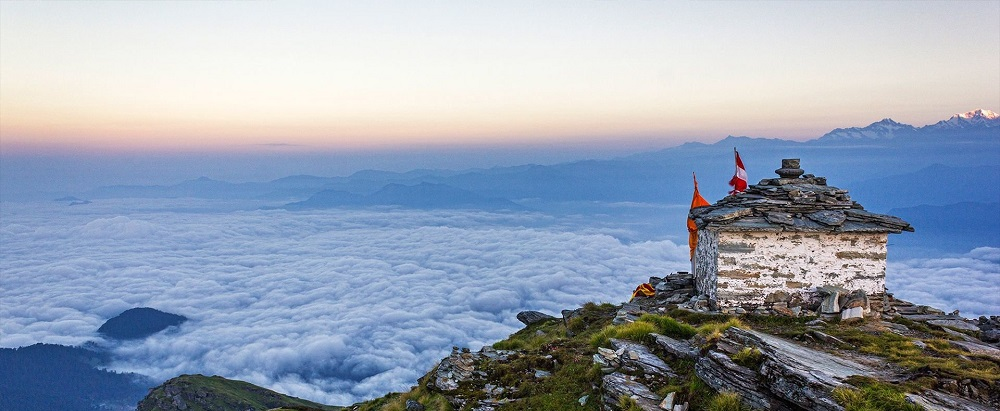
One kilometer beyond Tungnath lies the Chandrashila Peak.
- The View: Standing here provides a 360-degree panoramic view of the Greater Himalayas. You can see the Kedar, Mandani, and Chaukhamba peaks as if they were within arm’s reach.
- Creator Tip: The sunrise from Chandrashila is legendary. To capture the “Golden Hour” on the peaks, consider sharpening your skills with a Photography course on Skillshare. You can later edit your 2026 trekking vlogs using Wondershare Filmora.
3. Birdwatching: The Himalayan Monal Trail
Chopta is one of the best places in India to spot the Himalayan Monal, the state bird of Uttarakhand. Keep your binoculars ready for the iridescent plumage of the Monal, as well as the Koklass Pheasant and various Himalayan eagles.
2026 Logistics: Reaching the Sanctuary
- By Flight: The nearest airport is Jolly Grant (Dehradun), about 220 km away. For real-time flight tracking and the best 2026 fares, travelers use Mytrip.com or Flight Network.
- By Train: Rishikesh or Haridwar are the closest major railheads. From here, you can take a shared cab or bus to Ukhimath, and then a private taxi to Chopta.
- By Road: If you are driving your own vehicle, ensure your insurance is tailored for hilly terrain via ICICI Lombard or Acko. For motorcyclists, Acko Bike Insurance is a 2026 standard for peace of mind on the hairpin bends of the Mandakini valley.
Safety, Claims & Protection: Essential 2026 Info
- Managing Flight & Baggage Issues: Regional mountain travel often involves tight connections at Dehradun. If your flight is delayed or the airline mishandles your trekking gear, you are often eligible for compensation. While you can file these yourself, services like AirAdvisor handle the legal heavy lifting for you so you can stay focused on the mountains.
- Offline Navigation & Connectivity: Chopta is a “digital detox” zone. There are very few mobile towers.
- General Hack: Download offline Google Maps for the Rudraprayag district before leaving Rishikesh.
- Modern Solution: For the best possible signal in the valleys leading up to Chopta, an eSIM from Airalo allows you to switch between network providers to catch the strongest local signal.
- Financial Strategy: Remote eco-camps often prefer cash or UPI (which requires a signal). When booking your luxury base camps or hotels in advance, use travel-centric cards like the IndusInd Tiger Credit Card or SBI Credit Card to earn high reward points on travel spending.
- High-Altitude Health: Trekking above 3,500m can cause mild altitude sickness. Stay hydrated and climb slow. International visitors should ensure they have AURAS Travel Insurance, which covers high-altitude emergencies and medical evacuations.
Best Time to Visit
- Summer (April to June): Perfect for trekking. Temperatures: 10°C to 25°C.
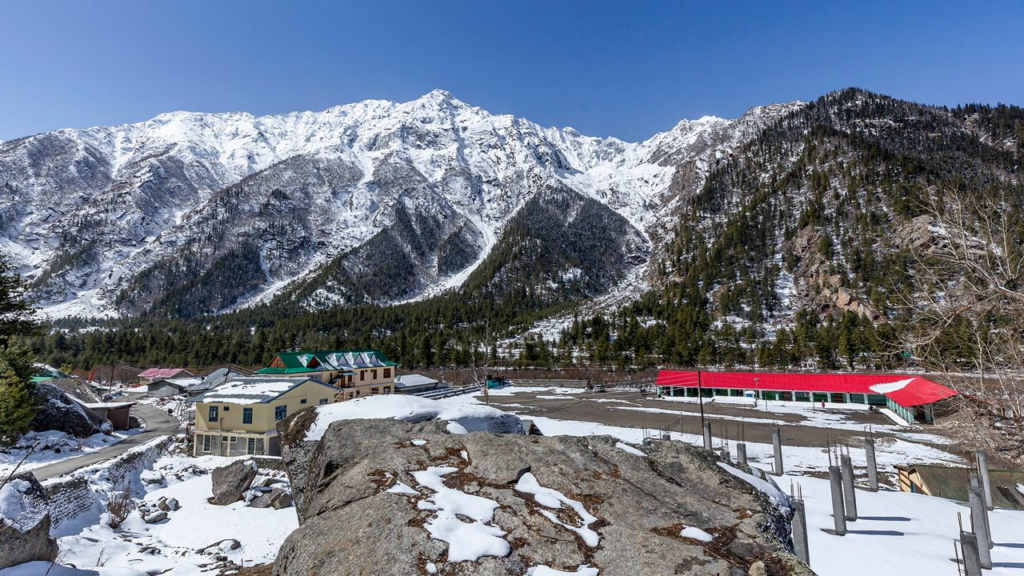
- Winter (December to March): For snow lovers. Chopta becomes a white paradise, though temperatures can drop to -5°C.
- Autumn (October to November): Best for peak visibility and clear, blue Himalayan skies.
Local Cuisine: The Garhwali Table
Fuel your trek with local, nutrient-dense foods:
- Mandua ki Roti: Ragi (millet) bread, rich in iron.
- Gahat ki Dal: A local lentil soup known for its warming properties.
- Jhangora ki Kheer: A traditional pudding made from barnyard millet.
FAQ Section
- Is there electricity? Most camps use solar power. Charging points are limited—bring a power bank!
- How many days? 3 to 4 days are ideal.
- Is it safe? Yes, but keep an eye on weather forecasts for landslides in the monsoon or heavy snow in winter.
- Lost luggage? Use AirAdvisor to file a claim instantly if your bags don’t make it to the mountains.
Conclusion
Chopta is the antidote to the modern world. It is a place where you don’t just see the mountains—you breathe them. Whether you are standing at the highest Shiva temple or sleeping under a billion stars in a meadow, Chopta promises a 2026 journey that will resonate in your heart forever.