Your Ultimate Travel Guide to Pithoragarh: The Hidden Gem of 2026
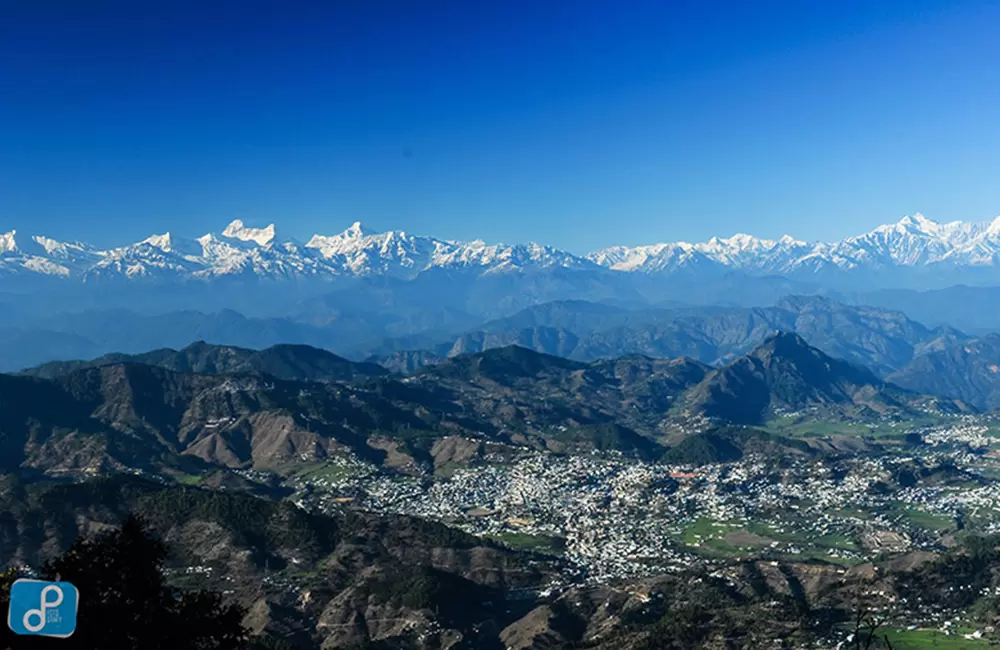
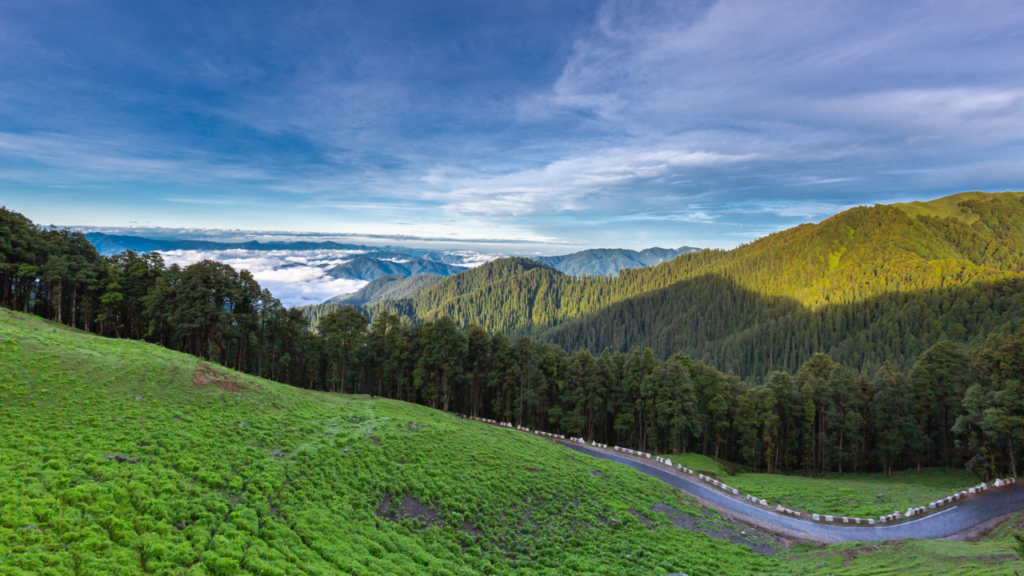
Often referred to as the “Saur Valley,” Pithoragarh is a breathtaking expanse located at an altitude of 1,645 meters. It sits in a high-mountain valley that many compare to a smaller version of Kashmir. In 2026, Pithoragarh has emerged as the ultimate base for those looking to explore the Far-East of Uttarakhand—a land of ancient forts, sacred peaks, and the gateway to the Mansarovar Yatra.
The Vibe & History: A Fortress in the Clouds
Pithoragarh possesses a vibe that is simultaneously regal and rustic. Historically, it was a major center of power for the Chand Kings and later served as a strategic British outpost. The town is dotted with ancient temples and the ruins of majestic forts, all set against the backdrop of the massive Panchachuli and Nanda Devi ranges. It’s a place where you can feel the weight of history in the stone walls of its fort, yet find total modern peace in its pine-scented meadows.
Top Things to Do: The 2026 Must-Visit List
1. The Pithoragarh Fort (London Fort)
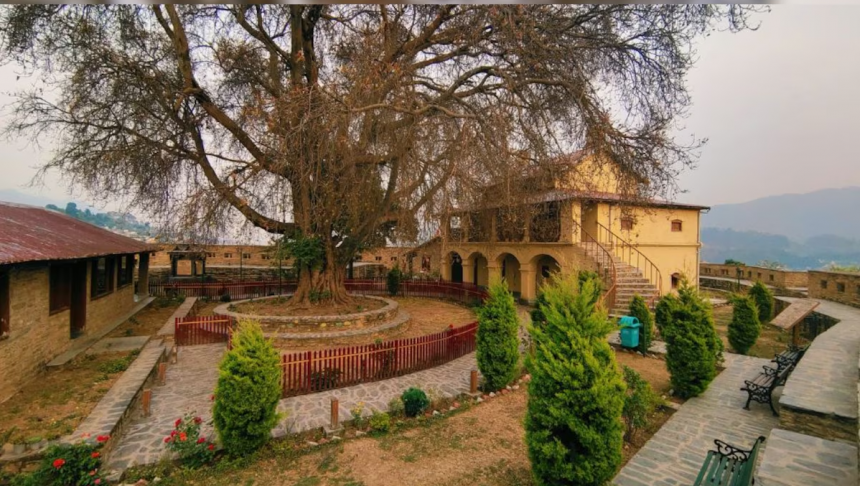
Built in 1789 by the Gorkhas and later renamed by the British, this fort offers the best panoramic view of the Saur Valley. It is a prime spot for photographers looking to capture the valley’s symmetry.
- Pro Tip: For stunning aerial-style shots without a drone, hike to the fort’s highest ramparts at sunrise. Refine your landscape editing with Wondershare Filmora and master Himalayan lighting via a Skillshare Photography course.
2. Chandak Hill: The Himalayan Balcony
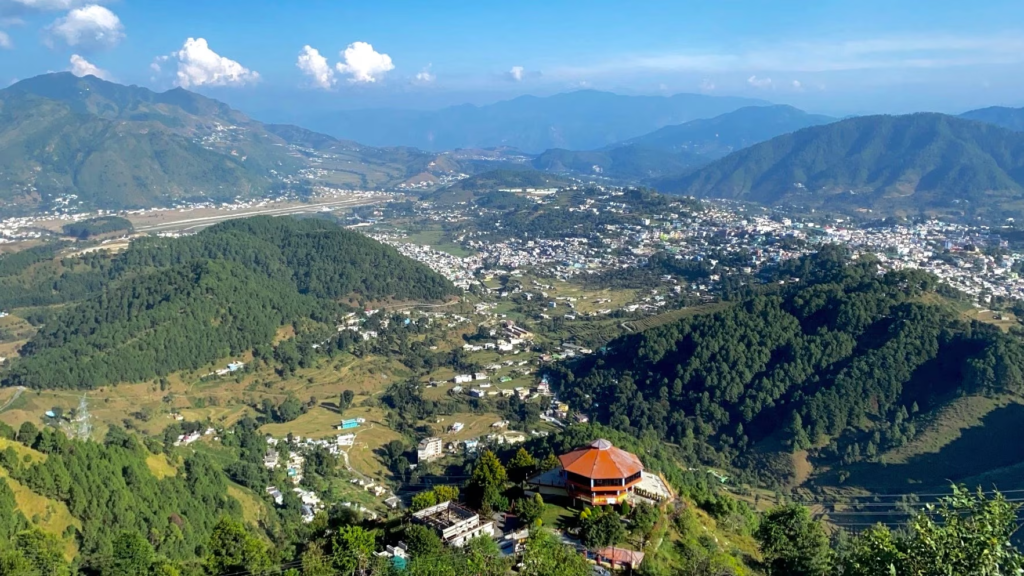
A short drive or a vigorous trek leads you to Chandak. It is famous for its temple dedicated to Mostamanu and provides an unobstructed view of the snow-peaks. It’s also a growing hub for paragliding enthusiasts in 2026.
3. Askot Wildlife Sanctuary
Located about 50 km from the town, this sanctuary is a biodiversity hotspot. It was established to protect the endangered Musk Deer. If you are lucky, you might spot high-altitude birds like the Himalayan Monal.
4. The Cave Temples: Patal Bhuvaneshwar
While a bit of a drive (approx. 70 km), no trip to Pithoragarh is complete without visiting this limestone cave temple. In 2026, improved lighting and walkways make exploring these underground myths a surreal, “Indiana Jones-style” experience.
2026 Logistics: Getting to the Far East
- By Flight: The Naini Saini Airport in Pithoragarh is operational with limited regional flights. Most travelers still prefer flying into Pantnagar (PGH) for more consistency. To monitor 2026 flight status and regional connections, use Mytrip.com or Flight Network.
- By Train: The nearest railhead is Tanakpur (150 km). The drive from Tanakpur to Pithoragarh is one of the most beautiful “ghat” roads in India.
- By Road: If you are driving your own vehicle, ensure you have robust insurance for landslide-prone zones. Check ICICI Lombard or Acko for cars, and Acko Bike Insurance if you are riding the famous Kumaon loops.
Safety, Claims & Protection: The “Savvy Traveler” Section
Traveling to the Indo-Nepal border region requires smart planning. In 2026, don’t let logistics dampen your Himalayan spirit.
- Flight & Baggage Solutions: Regional flights to Naini Saini are often weight-restricted. If the airline mishandles your luggage or your flight is delayed, AirAdvisor is a lifesaver. They handle the legal claims for compensation while you head to your hotel.
- Connectivity Strategy: Pithoragarh is a border district; while the town has 5G, signals can drop on the way to Askot or Munsiyari.
- General Tip: Download “Offline Maps” for the Pithoragarh district.
- Modern Solution: Use an eSIM from Airalo to stay connected. It allows you to hop between data providers without needing a local shop.
- Financial Rewards: When booking boutique stays or fuel, use travel-centric cards like the IndusInd Tiger Credit Card or SBI Credit Card. The high reward points can often cover a significant portion of your meal or fuel costs.
- Medical & Rescue: Given the remote nature of the terrain, international visitors should secure AURAS Travel Insurance, which covers high-altitude emergencies and medical evacuations.
Best Time to Visit
- Summer (March to June): Perfect sightseeing weather (15°C to 30°C).
- Autumn (October to November): The “Post-Monsoon” wash makes the mountains look incredibly sharp and clear.
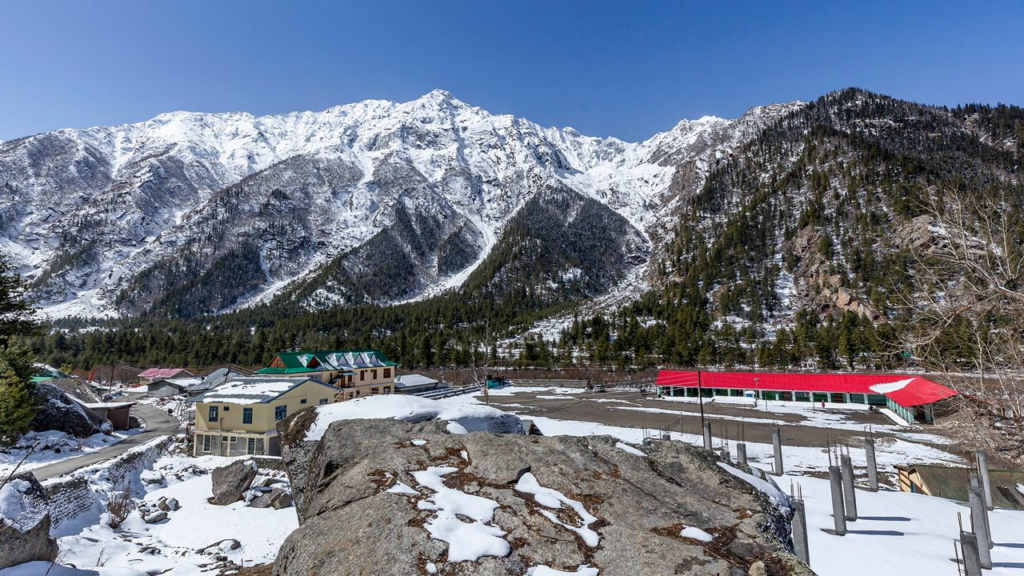
- Winter (December to February): Chilly with occasional snowfall. Best for those seeking a quiet, cozy “Mini Switzerland” vibe.
Local Cuisine: The Kumaoni Plate
You haven’t experienced Pithoragarh until you’ve tasted:
- Aloo ke Gutke: Local potatoes stir-fried with Jakhiya (Himalayan wild mustard).
- Bhatt ki Churkani: A rich black-bean stew served with steamed rice.
- Singauri: A sweet made of khoya wrapped in a Malu leaf, giving it a distinct earthy aroma.
FAQ Section
- Is it safe? Yes, Pithoragarh is exceptionally safe, even for solo female travelers.
- How many days? 3 to 4 days are ideal to see the fort, Chandak, and nearby villages.
- Does it snow? Yes, especially in the higher reaches of the town during Jan and Feb.
- What if my flight is canceled? Use AirAdvisor to file for compensation immediately.
Conclusion
Pithoragarh is the perfect antidote to the overcrowded hill stations of the West. It offers a rare blend of historical intrigue and raw, untouched beauty. Whether you are walking through the ancient fort or watching the sunset from Chandak Hill, Pithoragarh promises a 2026 journey that will stay with you forever.