For a long time, Chiang Rai was the “tag-along” destination. People would visit Chiang Mai, see the night bazaar, and then take a grueling three-hour bus ride north just to see the “White Temple” before heading back. But in 2026, the script has flipped. Travelers are increasingly skipping the digital nomad crowds of the south and heading straight to the far north of Thailand.
Chiang Rai isn’t just a day trip anymore. It is a slow-burn destination—a place of mist-covered mountains, deep-rooted coffee culture, and art that borders on the psychedelic. If Chiang Mai is the trendy older brother, Chiang Rai is the eccentric artist sister who moved to the mountains to find herself.
Here is the deep dive into why this northern province is the most rewarding place to lose yourself this year.
1. The Art of the Surreal: The Three Colors
Chiang Rai is defined by three massive architectural projects that are less like temples and more like fever dreams.
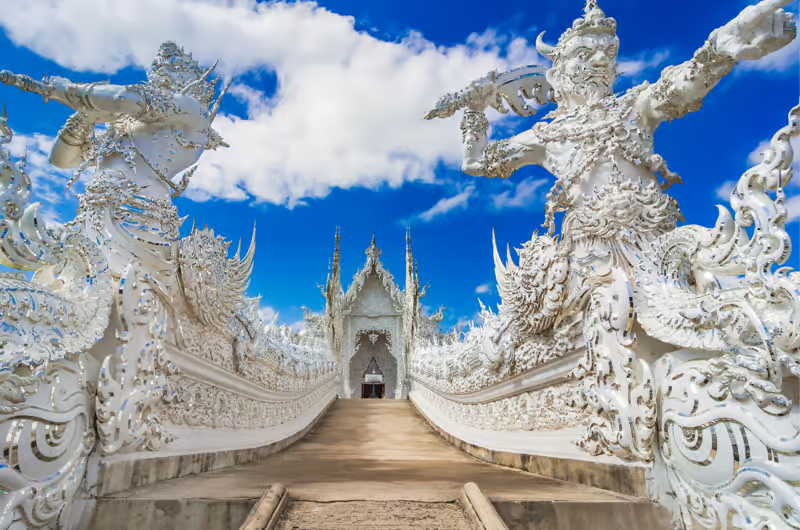
- The White Temple (Wat Rong Khun): This is the one you’ve seen on every postcard. Designed by artist Chalermchai Kositpipat, it represents human desire and the path to heaven. Look closely at the murals inside—you’ll see Superman, Pikachu, and even references to modern wars. It’s a bizarre, beautiful commentary on the world.
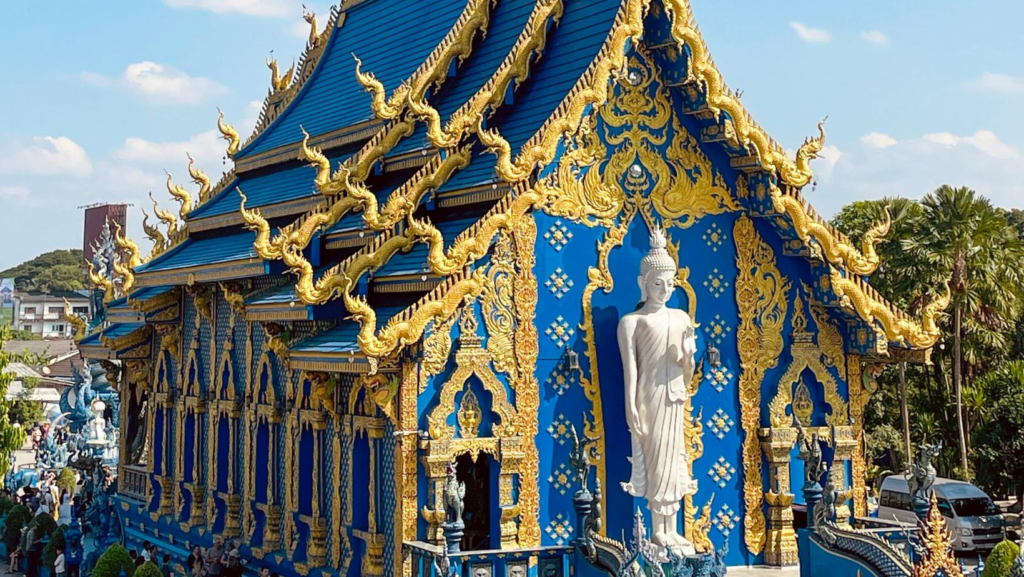
- The Blue Temple (Wat Rong Suea Ten): If the White Temple is celestial, the Blue Temple is deep-sea sapphire. The interior is a sapphire-blue explosion with a massive white Buddha in the center. It’s significantly calmer than the White Temple and feels like being inside a piece of jewelry.
- The Black House (Baan Dam Museum): This isn’t a temple; it’s the work of the late Thawan Duchanee. It’s a collection of over 40 dark wooden structures filled with animal skins, bones, and bizarre carvings. It’s moody, gothic, and deeply fascinating.
Creative Tip: Capturing the intricate details of these sites is a challenge in the bright Thai sun. If you’re documenting your trip, many travelers are using Skillshare to brush up on “Travel Photography” basics—specifically how to handle high-contrast lighting. For a polished look for your travel vlog, Wondershare remains a solid tool for editing those vibrant blue and white hues into a cinematic reel.
2. Coffee, Clouds, and Craters: The Highlands
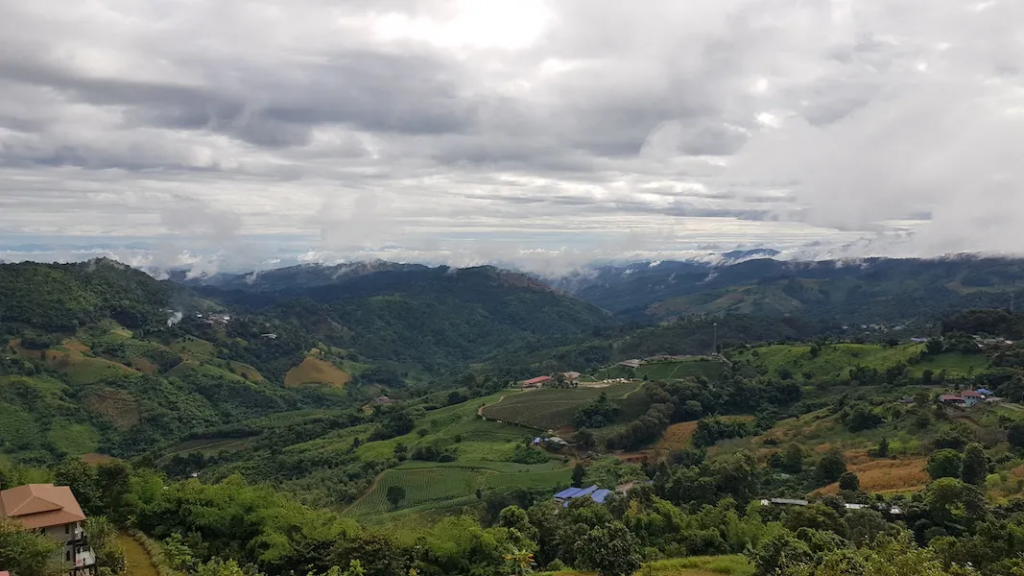
One of the biggest surprises for first-time visitors is that Chiang Rai is one of Asia’s premier coffee regions. The mountains aren’t just for looking at; they are where some of the world’s best Arabica beans are grown.
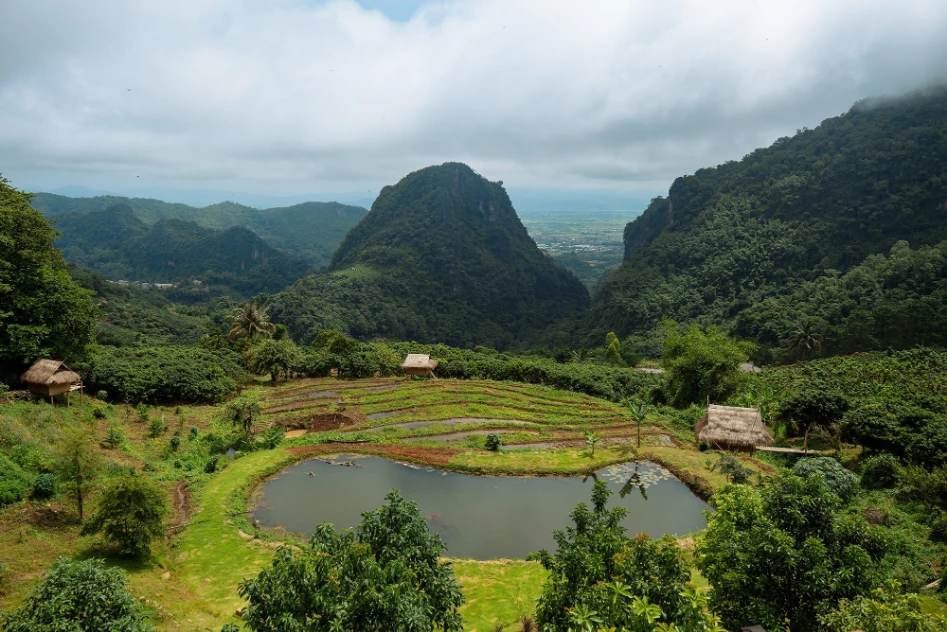
- Doi Chang: This is the heart of Thai coffee. You can visit the plantations, watch the roasting process, and sit on a balcony overlooking the clouds while drinking a cup of coffee that costs a fraction of what you’d pay in London or New York.
- Phu Chi Fa: If you don’t mind a 4:00 AM wake-up call, this is the most spectacular sunrise in Thailand. You stand on a cliff edge looking down at a sea of mist that covers the border of Laos.
- Doi Tung: Visit the Mae Fah Luang Garden. It looks like a Swiss alpine park has been dropped into the middle of the Thai jungle. It was the project of the late Princess Mother, who transformed the area from opium production into sustainable flower and coffee farming.
3. The Golden Triangle: A Dark History Made Modern
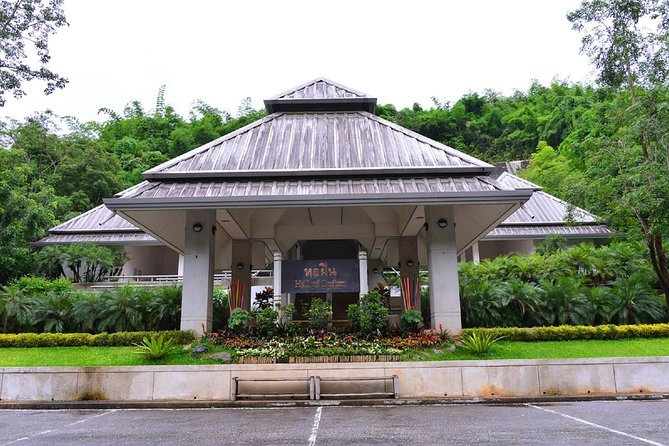
The point where Thailand, Laos, and Myanmar meet at the confluence of the Ruak and Mekong rivers was once the world’s opium capital.
Today, the Hall of Opium museum is a must-visit. It’s one of the best-curated museums in Southeast Asia, taking you through the 5,000-year history of the drug, from ancient medicinal use to the dark days of the warlords. It’s a sobering, immersive experience that explains the complex geopolitics of the region.
4. Practical Logistics for 2026
Getting There
Chiang Rai International (CEI) is well-connected to Bangkok. To get the best rates, travelers often use Kiwi.com (you can use promo code KIWI20TPWINTER for a €20 discount on bookings over €270 until late February 2026). Their “virtual interlining” is great for combining flights from different airlines that don’t normally codeshare, helping you find cheaper routes into the North. Alternatively, search engines like Mytrip or Flight Network are reliable for tracking seasonal price drops.
Staying Connected
The mountains can have spotty reception. To avoid the hassle of local SIM registration, I usually recommend using an eSIM like Airalo. You can set it up before you leave the airport, ensuring you have Google Maps for those winding mountain roads immediately.
If Plans Change
Regional flights in the North can occasionally be delayed by the “burning season” haze or seasonal storms. If you get stuck, AirAdvisor can help you check if you’re eligible for compensation from the airlines, they also help with lost or delayed luggage .
Moving Around the Mountains
While the city center is walkable, you’ll want wheels for the highlands. GetRentacar.com is a solid option for finding local car owners at competitive rates, often with better flexibility than the big international agencies.
5. Food: The Flavors of the North
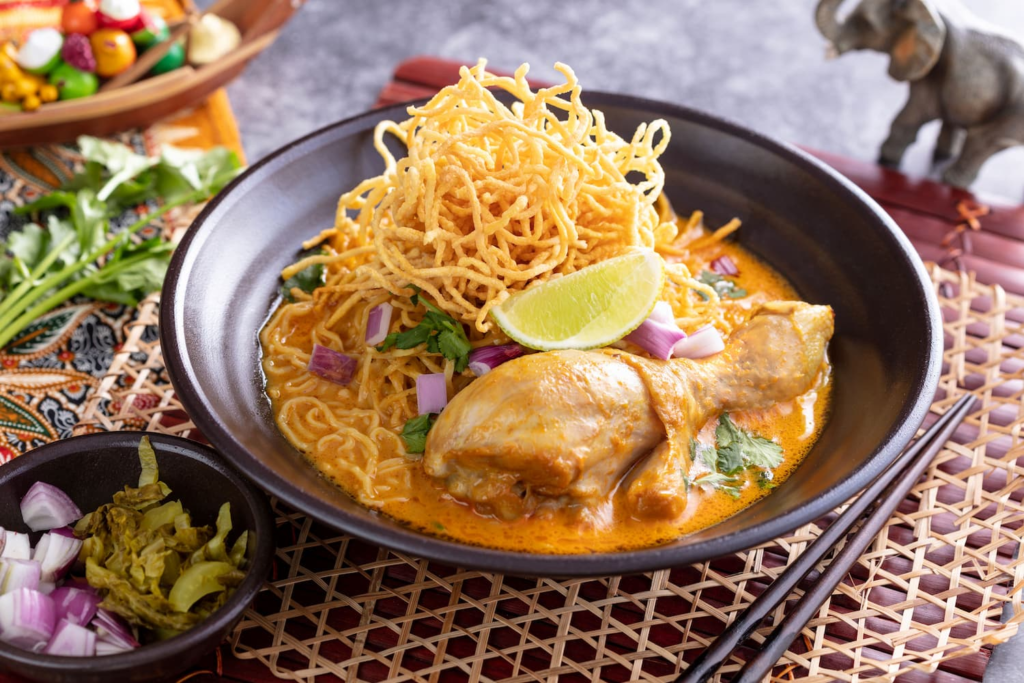
Northern Thai food (Khao Soi) is different from the Pad Thai you find in the south. It’s richer, creamier, and influenced by Burmese flavors.
- Khao Soi: A coconut curry noodle soup topped with crispy fried noodles. Khao Soi Wichian is a local favorite in Chiang Rai that hasn’t been “tourist-ified.”
- Sai Oua: Northern Thai sausage. It’s packed with lemongrass, kaffir lime, and galangal.
- The Night Bazaar: It’s smaller than Chiang Mai’s, but the food court is fantastic. Try the “hot pot” where you cook your own meat and veggies at the table.
6. Managing the Trip: Safety & Finance
Traveling in the North is generally very safe, but as with any mountain destination, there are a few things to keep in mind.
Staying Covered: If you’re planning to rent a scooter to explore Doi Chang (which is the best way to do it), make sure your license is valid and you’re covered for it. Many standard policies are picky about motorbike accidents. It’s worth checking with providers like AURAS Travel Insurance to see if they offer specific “adventure” or “moped” riders. Similarly, if you’re from India and use Acko Car Insurance or Bike Insurance or ICICI Lombard for your car or bike back home, check their international travel sections for clear terms on rental coverage.
Money Matters: Chiang Rai is quite affordable, but for boutique stays and high-end coffee gear, having a card with low forex fees helps. Some travelers from India find that the IndusInd Tiger Credit Card or certain SBI Credit Cards offer decent benefits like lounge access for those long layovers in Bangkok. It’s always best to check the current terms to see what fits your spending.
If you’re coming from the UK, Lastminute UK sometimes has bundled “Northern Thailand” packages that include both Chiang Mai and Chiang Rai, which can be a good way to save on the total trip cost.
7. A 5-Day “Slow North” Itinerary
- Day 1: The Temple Trio. Visit the White Temple early (8:00 AM) to beat the buses. Head to the Blue Temple for lunch, and finish at the Black House. Evening at the Night Bazaar.
- Day 2: Coffee & Clouds. Drive up to Doi Chang. Visit a coffee farm, stay in a mountain glamping tent, and enjoy the cool air.
- Day 3: The Golden Triangle. Head north to Mae Sai and the Golden Triangle. Visit the Hall of Opium and take a boat trip on the Mekong.
- Day 4: Flora & History. Visit the Mae Fah Luang Garden at Doi Tung. In the afternoon, explore the caves at Tham Luang (the site of the famous 2018 cave rescue).
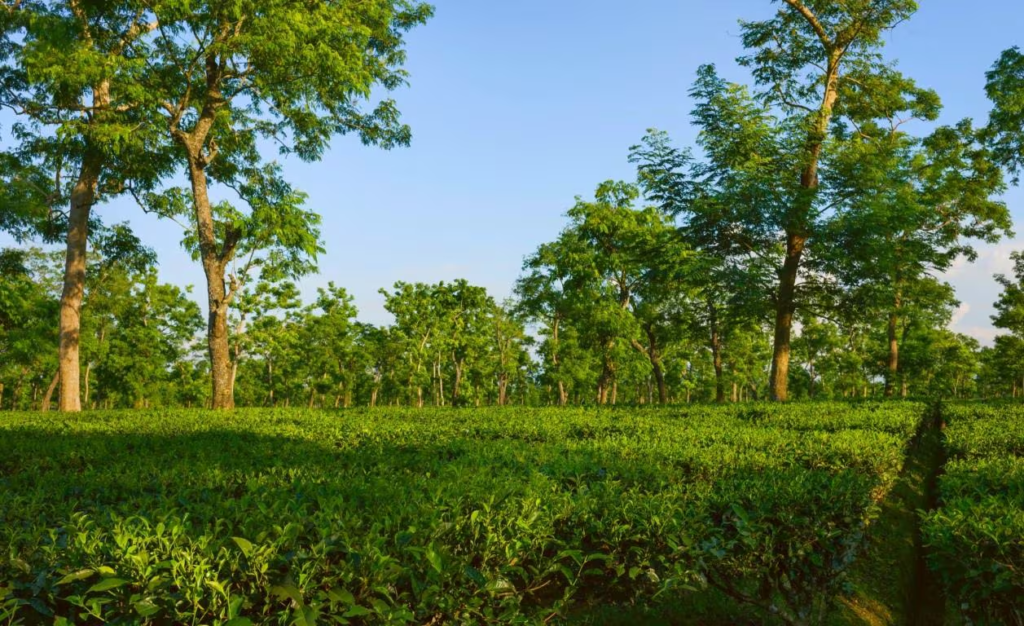
- Day 5: Local Life. Spend the morning at a local market. Visit the “Singha Park” for a bike ride through the tea plantations before heading to the airport.
8. Why Chiang Rai Now?
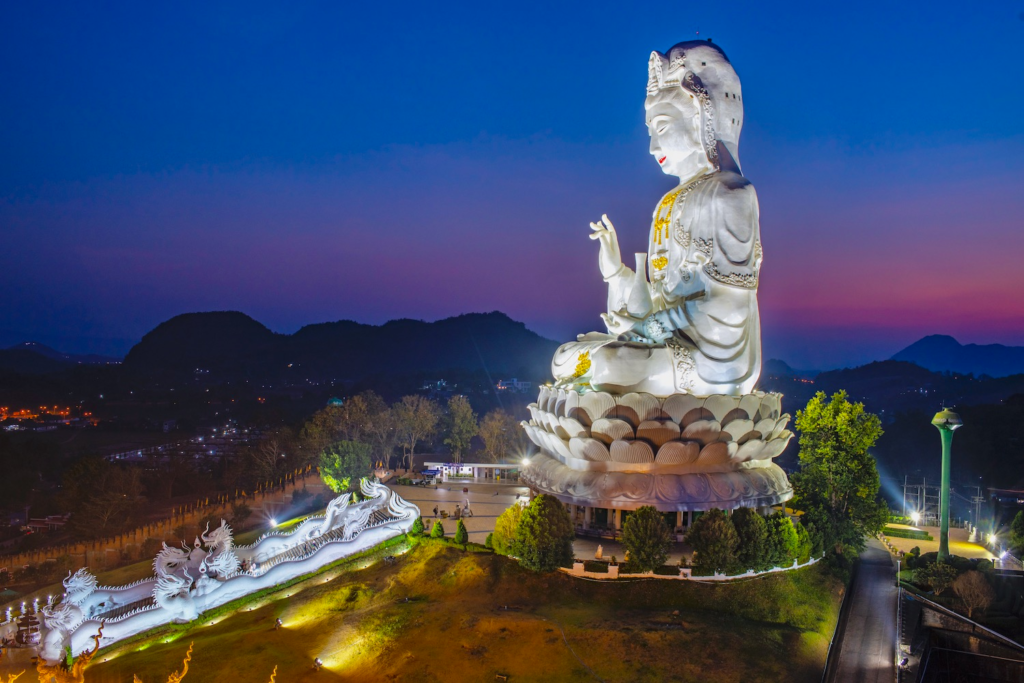
Chiang Rai is in a “Goldilocks” period. It has the infrastructure of a modern city—excellent roads, high-speed internet, and world-class hotels—but it hasn’t lost its rugged, mountainous identity.
In 2026, as travelers look for more “authentic” experiences away from the overcrowded beaches, Chiang Rai offers a sense of peace that’s hard to find elsewhere. It’s a place where you can spend your morning in a surreal white temple and your afternoon drinking coffee with the farmers who grew the beans.
It’s not just a stop on the way to somewhere else; it’s the destination you’ll remember the longest.