Manila is a city that doesn’t just greet you; it hits you all at once. It’s loud, it’s humid, the traffic is legendary, and the energy is relentless. If you’ve spent any time researching the Philippines, you’ve probably heard people say, “Just get out of Manila as fast as you can to get to the islands.”
But in 2026, skipping Manila is a mistake.
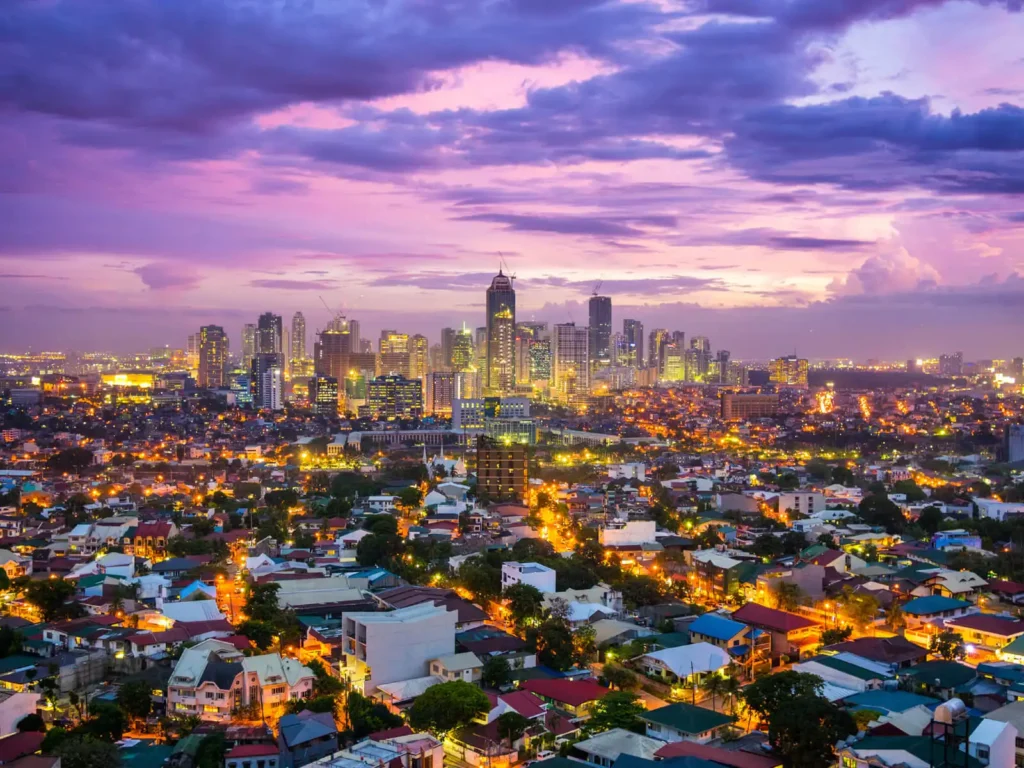
The city is currently undergoing a massive cultural revival. From the historic cobblestones of Intramuros to the skyscraper-filled skyline of BGC (Bonifacio Global City), Manila is a place where you can eat the best Chinatown food in the morning and have a world-class cocktail on a rooftop by midnight. It is a city of “organized chaos,” and if you give it a chance, it’s one of the most soulful places in Asia.
Here is the 2026 deep dive into navigating the Metro like a local.
1. Navigating the Arrival: The NAIA Experience
Ninoy Aquino International Airport (NAIA) has a reputation, and while it’s improving, it’s still a beast to navigate.
Flights & Budgeting
In 2026, more airlines are using regional hubs to bypass the main terminal congestion. When you’re looking for flights, I recommend checking Kiwi.com. They are pioneers in “virtual interlining”—essentially connecting flights from airlines that don’t usually talk to each other to save you money.
Pro-Tip: If you’re booking for the early 2026 season (January–February), Kiwi usually has a winter promo. Use the code KIWI20TPWINTER for about a €20 discount on bookings over €270. It’s a small win, but in Manila, that covers a lot of mango shakes.
You can also cross-reference prices on Mytrip or Flight Network to see if there are better legacy carrier deals.
The “Instant Connection” Move
Whatever you do, don’t walk out of the terminal without data. You need it to book a Grab (the local version of Uber), which is the only sane way to leave the airport. Instead of standing in line for a physical SIM card, just use Airalo. You can download an eSIM before you even land, so the second you touch down, you have 5G. It’s a game-changer for avoiding the “airport taxi” scams.
2. The District Guide: Where to Actually Spend Your Time
Manila isn’t one city; it’s a “Metro” made of several cities. Where you stay will completely change your experience.
Intramuros: The Walled City
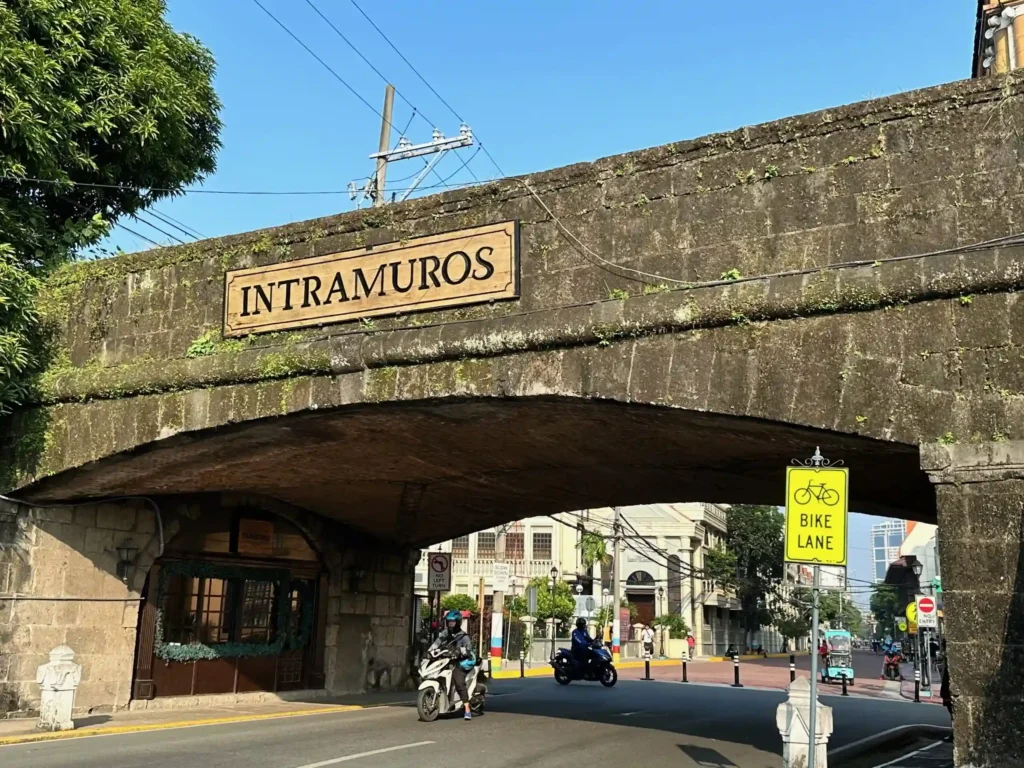
This is the soul of Manila. Built by the Spanish in the 16th century, it’s filled with stone churches, courtyards, and plazas.
- Must Do: Take a bamboo bike tour (Bambike). It’s a sustainable way to see Fort Santiago and San Agustin Church.
- The Vibe: It feels like a slice of Europe dropped into the middle of Southeast Asia.
Binondo: The World’s Oldest Chinatown
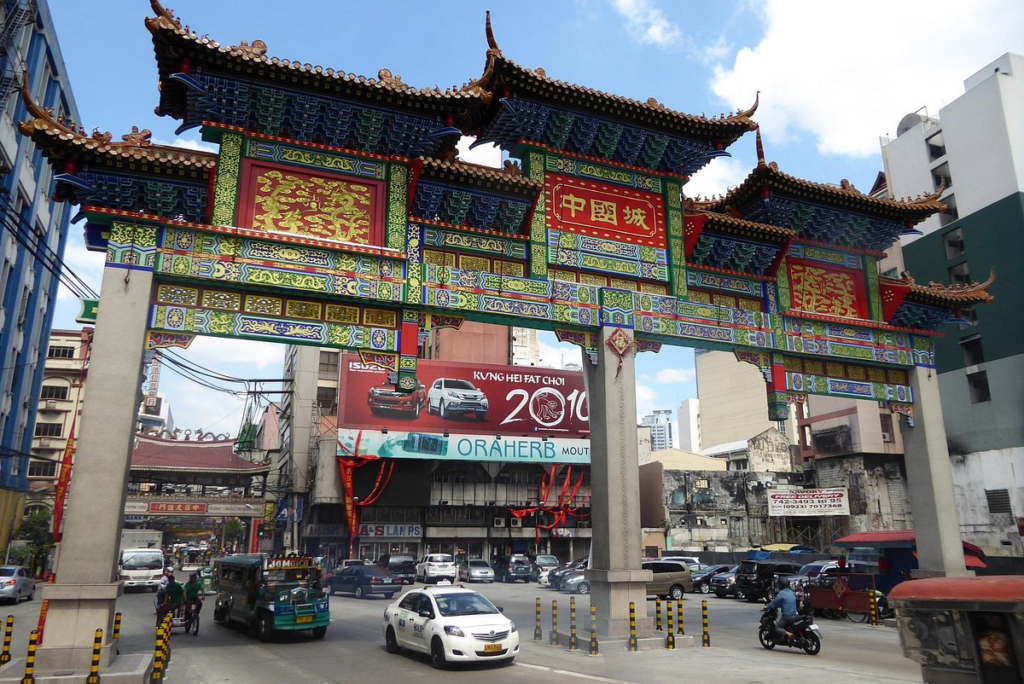
If you love food, this is your pilgrimage.
- The Food Crawl: Start at Wai Ying for dim sum and end at Dong Bei Dumplings. The architecture is a bit gritty, but the flavors are unmatched.
BGC (Bonifacio Global City)
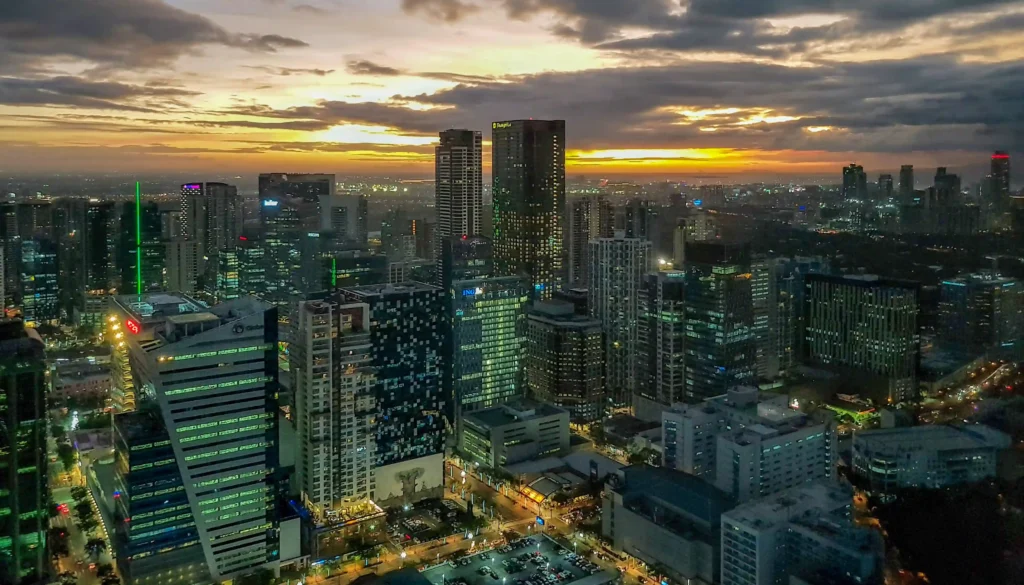
If Intramuros is the past, BGC is the future. It’s clean, walkable, and filled with massive street murals. It feels more like Singapore or Manhattan than Manila.
- The Vibe: This is where the digital nomads and expats hang out. High-end shopping, parks, and the best gyms in the city.
Makati (Poblacion)
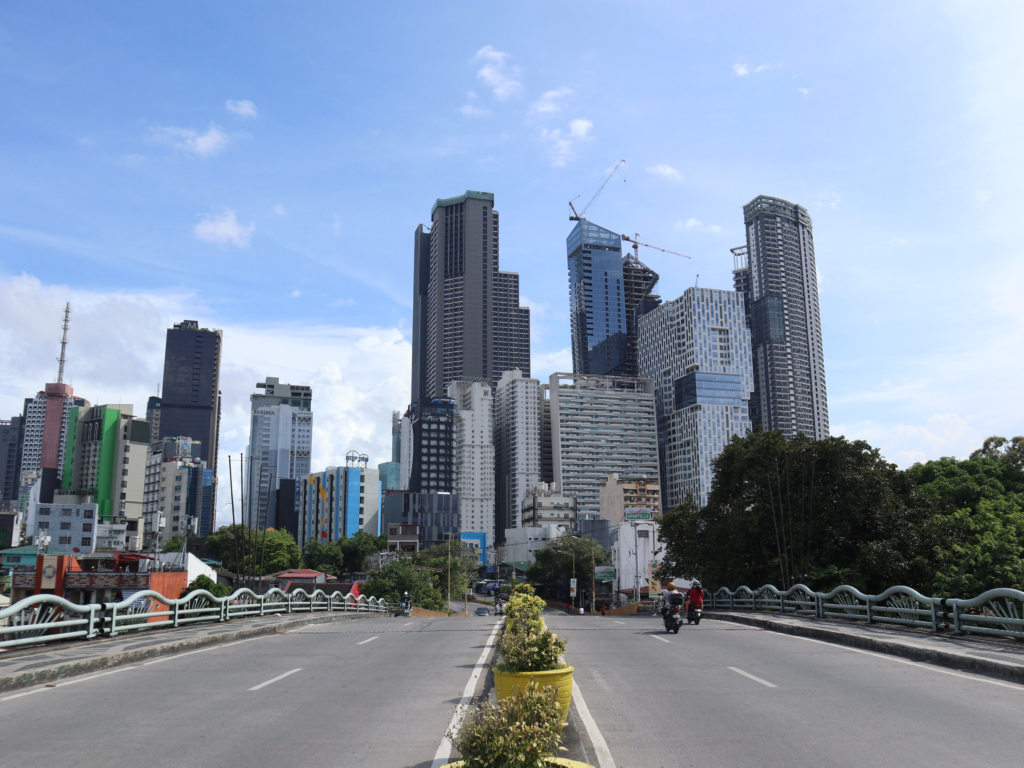
Makati is the financial hub, but the neighborhood of Poblacion is where the nightlife is. It’s a mix of “red-light district turned hipster heaven.” You’ll find rooftop bars next to hole-in-the-wall ramen shops.
3. Making Memories: Content & Creativity
Manila is a photographer’s dream because of the contrast. You have the gleaming glass towers of Makati right next to the colorful, loud Jeepneys.
If you’re documenting your trip, you’ll realize quickly that the lighting here is tricky—it’s either very bright or very dark in the bars of Poblacion. A lot of travelers use their transit time to watch a quick Skillshare class on “Street Photography” or “Editing on Mobile.” When you’re ready to piece your clips together for a vlog, Wondershare is the go-to for 2026 creators who want to make high-res videos without needing a full studio setup.
4. Moving Around: Jeepneys and Grab
Traffic in Manila is no joke. A 5km trip can take an hour.
- Grab: Download the app. It’s the safest and most transparent way to get around.
- Jeepneys: You have to try it at least once. It’s the iconic Filipino bus. It’s loud, it’s cramped, and it costs about 20 cents. Just pass your money to the person next to you and say “Bayad po.”
- GetRentacar: If you’re planning to escape the city for a day trip to Tagaytay or Batangas, checking GetRentacar.com is a smart move. You can often find local car owners who offer better rates than the big corporate rental agencies, and it’s a bit more personal.
5. Practicalities: Staying Safe and Sane
Manila is generally safe for travelers, but like any mega-city, you have to be smart.
Baggage & Flight Delays
Tropical weather and busy airports mean things go wrong. If your flight is delayed or, worse, your bags don’t show up on the carousel, AirAdvisor is the tool you need. They don’t just handle flight compensation; they can help with baggage claims too. It’s much easier than arguing with an airline desk for three hours.
The “Safe” Section: Insurance & Finance
- Insurance: It’s worth checking if your current policy covers things like “Cancel for Any Reason” or medical emergencies in the Philippines. Companies like AURAS Travel Insurance are often mentioned by travelers, but the best move is to simply read the fine print of whatever you choose. If you’re an Indian traveler using Acko Bike or Car Insurance or ICICI Lombard for your car or bike at home, take five minutes to see if their international travel policies fit your trip.
- Credit Cards: Manila terminals can be a bit of a wait. If you have an IndusInd Tiger Credit Card or certain SBI Cards, check if you have lounge access. Sitting in a quiet lounge with a coffee beats sitting on the floor by a charging station any day.
6. Day Trips: Escaping the Concrete
If the city gets too much, there are two classic escapes within a few hours of Manila.
- Tagaytay: About 2-3 hours south. It’s much cooler than Manila and sits on a ridge overlooking Taal Volcano (a volcano within a lake within a volcano).
- Mount Pinatubo: For the adventurous. It’s a 4×4 ride and a hike to a turquoise crater lake that was formed by one of the largest eruptions in history. It’s a long day, but the photos are incredible.
For those coming from the UK, check Lastminute UK. They often have “City + Island” bundles that handle the Manila hotel and the flight to Boracay or El Nido in one package, which can save you the headache of booking multiple separate legs.
7. A 4-Day “Human” Manila Itinerary
- Day 1: The History. Morning in Intramuros. Lunch at a traditional Filipino spot like Barbara’s. Afternoon at the National Museum of Anthropology. Sunset dinner at Manila Bay (the sunset here is world-famous for a reason).
- Day 2: The Food. Head to Binondo. Do a self-guided food crawl. Afternoon walk in Rizal Park. Evening in Makati (Poblacion) for drinks and live music.
- Day 3: The Future. Spend the day in BGC. Visit the Mind Museum, do some shopping at High Street, and check out the night market at Mercato Centrale.
- Day 4: The Escape. Rent a car via GetRentacar and drive to Tagaytay for lunch with a view. Head back to the city for one last dinner at Toyo Eatery (one of Asia’s 50 Best Restaurants).
Why Manila is Worth It
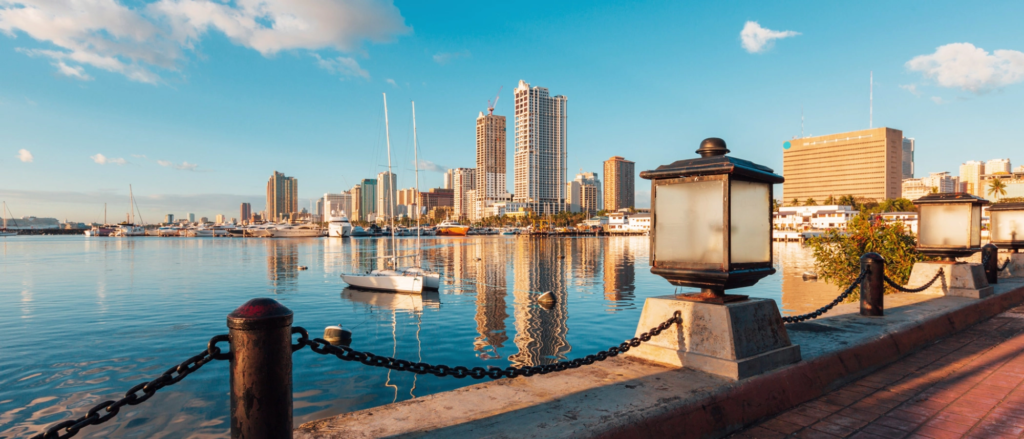
Manila isn’t a “polished” tourist destination. It’s raw, it’s real, and the people are some of the friendiest you will ever meet. In a world of curated Instagram travel, Manila is refreshing because it doesn’t try to be anything other than what it is.
It’s a city that rewards the curious. It’s the smell of pan de sal in the morning, the sound of karaoke drifting out of a neighbor’s window, and the feeling of the tropical sun on your face.