If you’ve never been to Ho Chi Minh City—or Saigon, as many still call it—the first thing you notice is the movement. Streams of motorbikes, busy streets, food stalls on every corner, and a city that feels alive at every hour of the day.
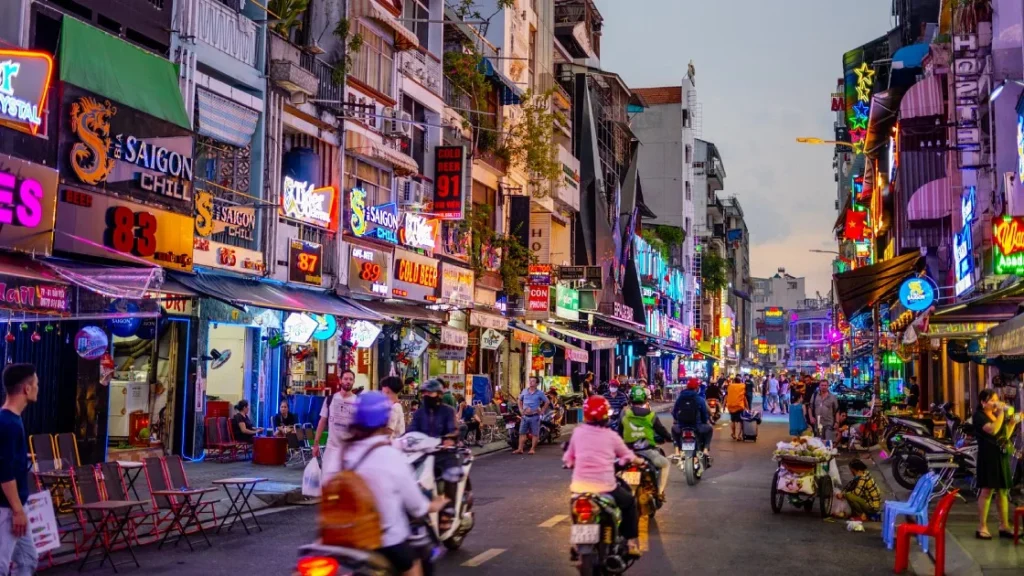
By 2026, new metro lines and modern skyscrapers are changing the skyline, but Ho Chi Minh City hasn’t lost its character. Mornings can start quietly by the river, and nights often end on small street-side stools with cheap beer and great local food. It’s lively, a little chaotic, but surprisingly easy on your wallet.
This is a city where you don’t need to spend much to experience a lot. Here’s a simple guide to exploring Ho Chi Minh City smartly — seeing more while spending less.
Landing and Getting Your Bearings To Ho Chi Minh City
The airport (SGN) is right in the middle of the city. Usually, this means you can see the rooftops of houses as you’re landing. It also means the traffic outside is a nightmare.
Booking your seat: Flights to Vietnam can be pricey depending on where you’re coming from. I usually check Kiwi.com because they have this “virtual interlining” thing. Basically, they find flight combos that airlines don’t usually advertise, which can save you a ton if you’re coming from Europe or India.
Quick 2026 Hack: If you’re traveling between late January and February 28, 2026, use the promo code KIWI20TPWINTER. It knocks €20 off if your booking is over €270. It’s basically free dinner for two days in Vietnam.
If Kiwi isn’t showing you what you want, cross-check with Mytrip or Flight Network. They’re reliable and sometimes have better deals on the big carriers like Emirates or Qatar.
Connectivity: The second you land, you need a way to call a ride. Don’t wander around looking for a SIM card stall while jet-lagged. Use Airalo. Download the eSIM before you fly, and the moment you touch down, you’ve got data. You’ll need it to download Grab (the local Uber). A ride from the airport to District 1 should only cost you about 150,000 VND ($6). Don’t let the “random” taxi guys grab your bags; they will charge you triple.
Where to Actually Stay in Ho Chi Minh City
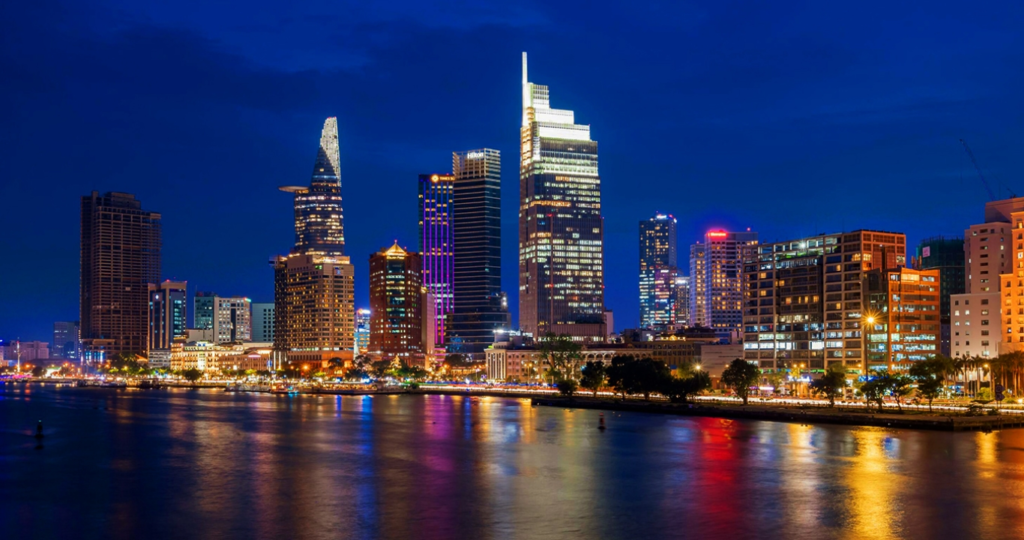
Saigon is divided into “Districts.” Most of the stuff you want to see is in District 1, but that’s also where all the other tourists are.
- District 1: The heart of it all. High-end hotels, the Opera House, and the famous Ben Thanh Market. It’s loud and busy, but you’re close to everything.
- District 3: This is the “cooler” sister to District 1. It’s got colonial architecture, quiet alleys, and some of the best coffee shops. It feels a bit more “real.”
- District 2 (Thao Dien): Across the river. This is the expat hub. It’s filled with craft breweries, vegan cafes, and riverside bars. If you want a break from the chaos, head here.
- District 4: Directly south of D1. It used to be a rougher area, but now it’s the place to go for street food. It’s gritty, authentic, and the seafood is incredible.
If you’re looking for a package deal (flight + hotel), sometimes Lastminute UK has some surprisingly good bundles for the big hotels in District 1.
The Food: A Beginner’s Guide
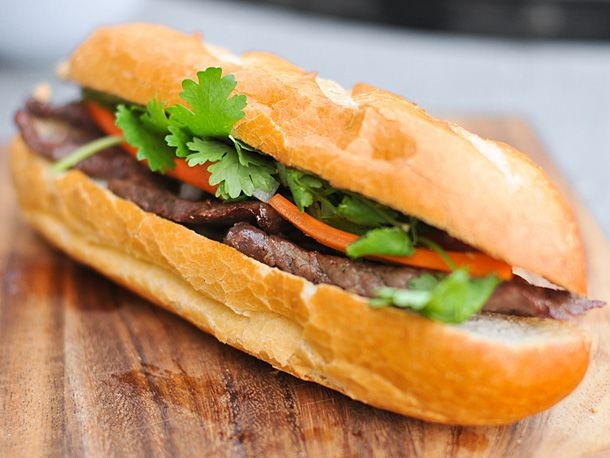
You can’t talk about Ho Chi Minh City without talking about the food. You will likely eat five meals a day here.
- Banh Mi: The famous baguette. Look for a place called Banh Mi Huynh Hoa. There’s always a line, but it’s the most loaded sandwich you’ll ever eat.
- Pho: Everyone knows it, but try it at Pho Le (Southern style) or Pho Hoa Pasteur. Don’t forget to put all the herbs in.
- Com Tam: Broken rice. It’s usually served with a grilled pork chop and an egg. It’s the quintessential Ho Chi Minh City breakfast.
- Coffee: Vietnam is the world’s second-largest coffee producer. Try the Cà phê sữa đá (iced coffee with condensed milk). If you’re feeling adventurous, try Salt Coffee or Egg Coffee. It sounds weird; it tastes like liquid gold.
For the Indian Traveler: Specific Tips
If you’re coming from India, you’ll find Ho Chi Minh City surprisingly familiar in its chaotic energy, but there are some logistics that are worth sorting out early.
Money and Cards: Vietnam is still a very cash-heavy society. You’ll need “Dong” for street food and markets. However, for hotels and nicer restaurants, use a card with a low exchange markup.
- The Cards: Many Indian travelers swear by the IndusInd Tiger Credit Card or specific SBI Credit Cards. The massive benefit here is the lounge access. If you have a 5-hour layover in Bangkok or Singapore, having a lounge to sit in with free food and Wi-Fi is a life-saver.
Insurance You Can Trust: Don’t skip insurance. Between the humidity and the street food, sometimes your stomach or your body just needs a break.
- Travel Insurance: ICICI Lombard is a solid, standard choice for Indians traveling to Vietnam. It’s reliable and they have specific travel-focused plans.
- The Acko Option: If you already use Acko Bike Insurance or Acko Car Insurance for your vehicles back home, check their app for international travel riders. It’s usually super easy to add on since they already have your details.
- International Backup: For something very clear and no-nonsense, AURAS Travel Insurance is popular with the digital nomad crowd because their terms are easy to read.
Troubleshooting: Delays and Baggage
Vietnam’s weather—especially in the rainy season—can mess with flight schedules. Also, with the high volume of connecting flights, bags sometimes go on their own little vacation.
If your flight is delayed for hours or your suitcase doesn’t show up on the carousel, don’t just stand there and be frustrated. Use AirAdvisor. They specialize in getting you compensation for flight delays and baggage claims. They handle the paperwork and the fighting with the airline; you just get a notification when the money hits.
Moving Around and Escaping the City
Inside the city, use Grab. You can book a car or, if you’re alone and brave, a GrabBike. It’s the fastest way to get through traffic.
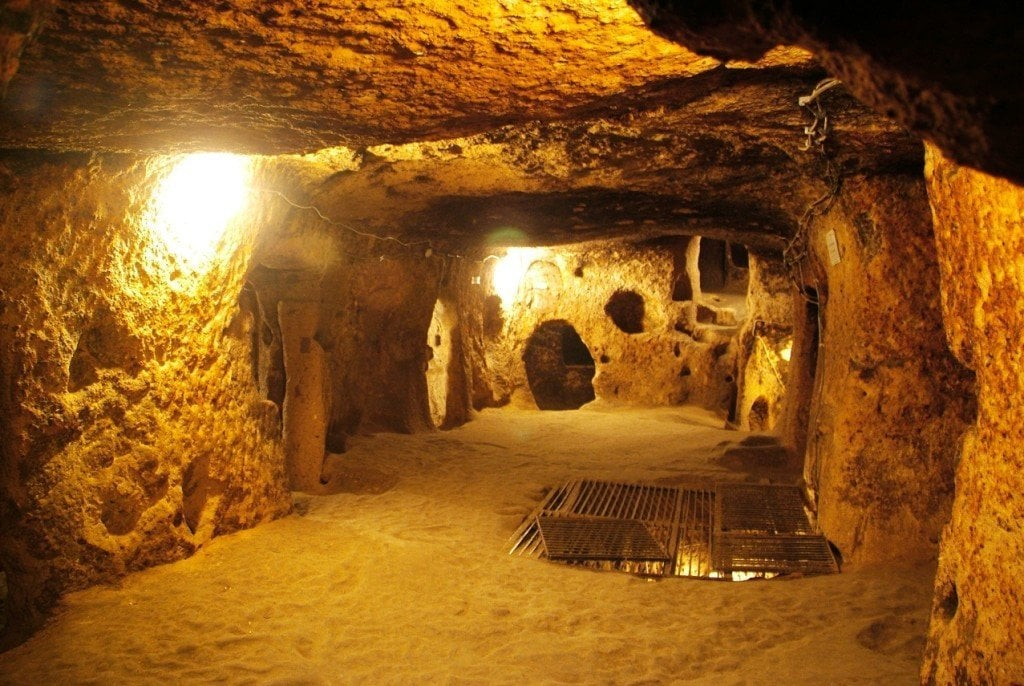
If you want to head out of the city—maybe to the Cu Chi Tunnels or the Mekong Delta—you might want your own wheels. For that, check GetRentacar.com. It’s a peer-to-peer marketplace where you rent from locals. It’s often much cheaper than the big international agencies and gives you the freedom to explore the countryside at your own pace.
Creativity and Content
Ho Chi Minh City is a “cinematic” city. The neon lights, the steam rising from a pho pot, and the sheer movement of the motorbikes make for incredible videos.
If you’re looking to up your photography or vlogging game while you’re there, Skillshare has some great 1-hour courses on “Mobile Travel Photography” or “Storytelling in Video.” Once you have all that footage, Wondershare is probably the easiest tool to use to edit it into something that looks professional for your YouTube or Instagram without needing a massive computer.
A Simple 4-Day Itinerary
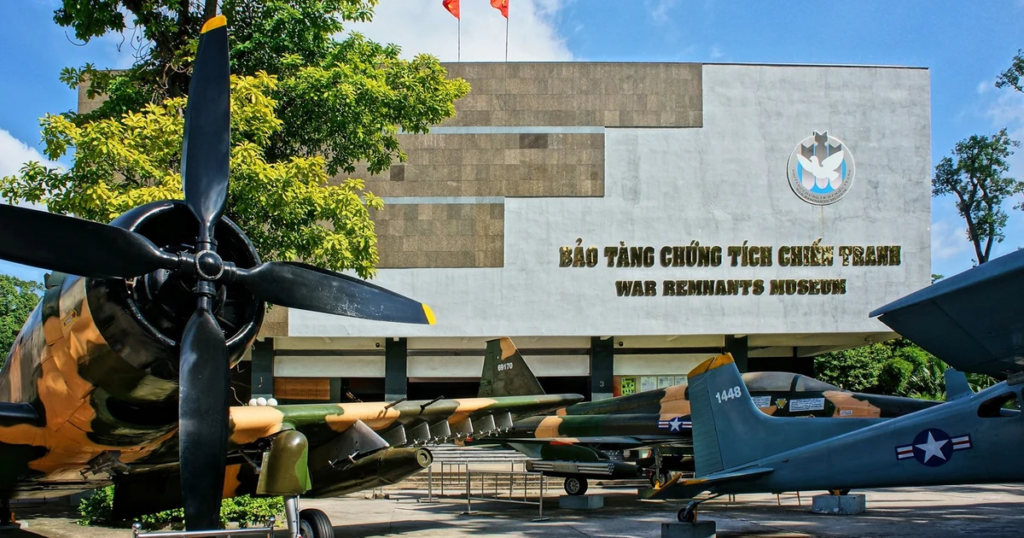
- Day 1: The Classics. * Walk to the War Remnants Museum (it’s heavy but essential). See the Notre Dame Cathedral and the Central Post Office. In the evening, grab a cocktail at a rooftop bar like The View or Saigon Saigon to see the skyline.
- Day 2: The Alleys. * Spend your morning in District 3. Find a “hidden” cafe like The Workshop Coffee. In the afternoon, head to District 5 (Cholon) to see the Chinese temples and Binh Tay Market.
- Day 3: The Tunnels. * Take a half-day trip to the Cu Chi Tunnels. It’s a fascinating look at how the Viet Cong lived underground. In the evening, go for a “Street Food Tour” on the back of a motorbike.
- Day 4: The River and the Chill. * Cross over to District 2 (Thao Dien). Have a long lunch by the river. Walk through the art galleries and boutique shops. End your trip with a dinner cruise on the Saigon River.
A Few “Human” Tips
- Crossing the street: This is a literal leap of faith. The trick is to walk at a slow, steady pace. Do not stop and do not run. The motorbike riders are experts at calculating your trajectory; they will move around you. If you stop, you mess up their math.
- The “Vibe”: Vietnamese people are incredibly friendly but also very direct. Don’t take it personally if a shopkeeper is blunt—it’s just the culture.
- The Tipping: It’s not expected in small local spots, but in nicer cafes or for tour guides, a small tip is always appreciated.
Ho Chi Minh City or as most say Saigon is a city that never stops. It can be exhausting, but it’s also one of the most vibrant places you’ll ever visit. Just remember to take “coffee breaks” when the noise gets too much, and always keep an eye out for the best-smelling sidewalk stall—that’s where the real magic is.