Discover Narkanda:Ultimate Guide to an Underrated Hill Station in 2026
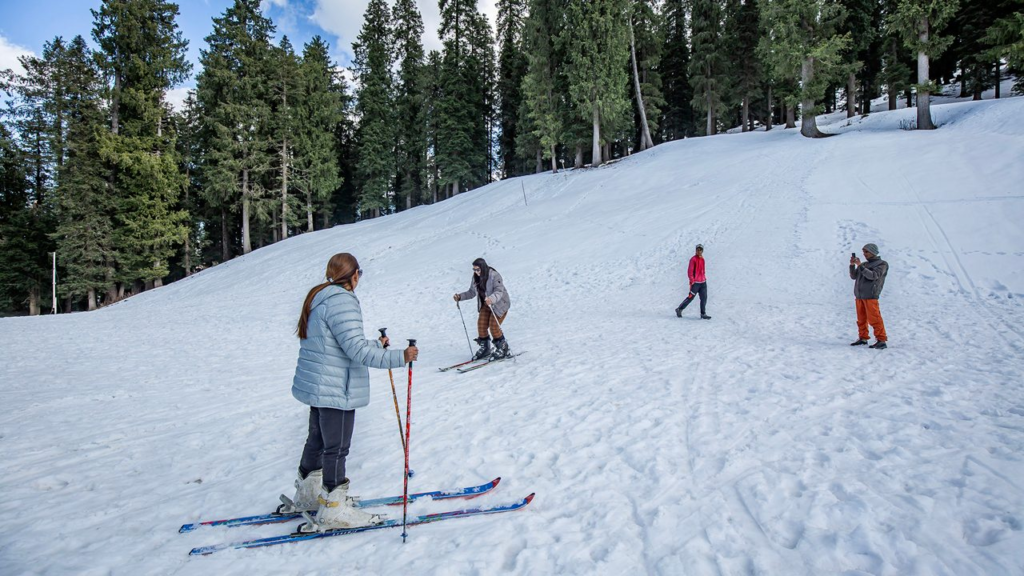
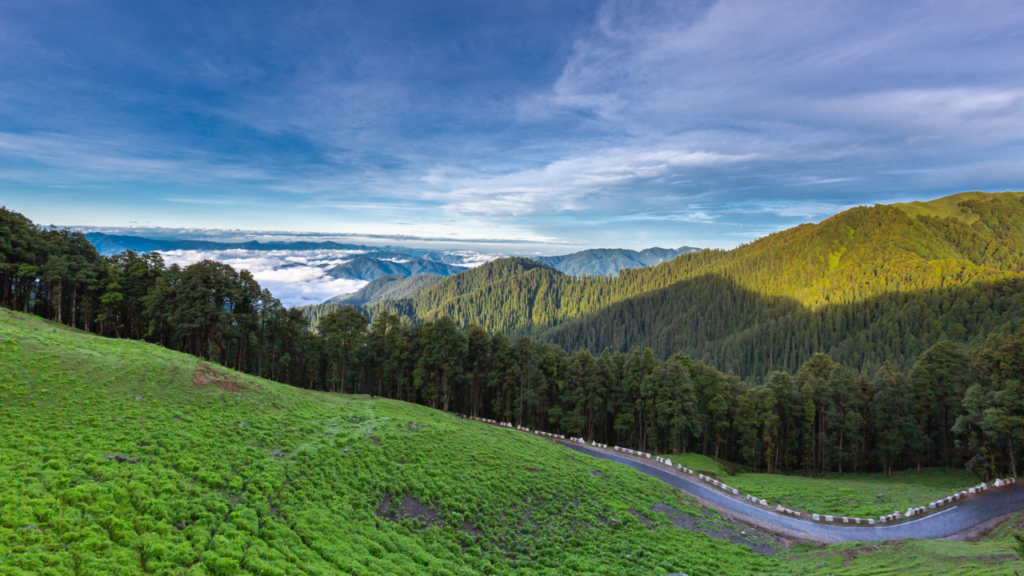
Nestled at an impressive altitude of 2,708 meters (8,885 feet) along the historic Hindustan-Tibet Road, Narkanda is a hidden gem waiting to be discovered. While many travelers rush past it on their way to Spiti or Kinnaur, those who stop find a sanctuary of ancient fir forests, sprawling orchards, and some of the finest skiing slopes in India.
This comprehensive 2026 guide explores why Narkanda is the perfect alternative to the crowded streets of Shimla and Manali.
The Vibe & History: The Land of Apples and Fir
Narkanda’s charm lies in its laid-back, rustic ambiance. Historically, it served as a vital staging post for traders and colonial explorers heading into the deep Himalayas. In the early 20th century, the region’s destiny changed forever when Samuel Stokes, an American who settled in nearby Kotgarh, introduced the first commercial apple saplings to the area.
Today, Narkanda is the heart of India’s apple revolution. The vibe is a refreshing blend of high-altitude adventure and quiet village life. The air is exceptionally crisp, the mountains are majestic, and the local Kinnauri and Himachali cultures create a welcoming, personable atmosphere.
Top Things to Do in Narkanda (2026 Edition)
1. The Hatu Peak Expedition
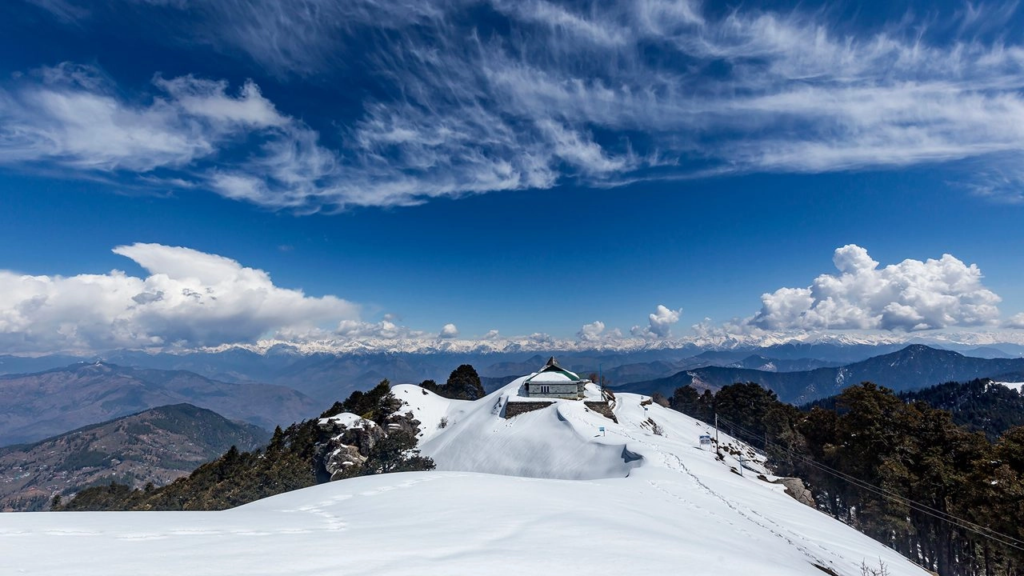
Standing tall at 3,400 meters, Hatu Peak is the highest point in the Narkanda region.
- The Trek: A 7-km hike through dense forests of spruce, maple, and oak. The trail is invigorating and accessible for most fitness levels.
- Hatu Mata Temple: At the summit sits this architectural marvel, dedicated to Mandodari (the wife of Ravana). The temple features intricate wooden carvings that are a photographer’s dream.
- The View: From the top, you get a 360-degree panoramic view of the snow-clad inner Himalayas, including the Shivalik ranges.
2. Immerse Yourself in Apple Orchard Culture
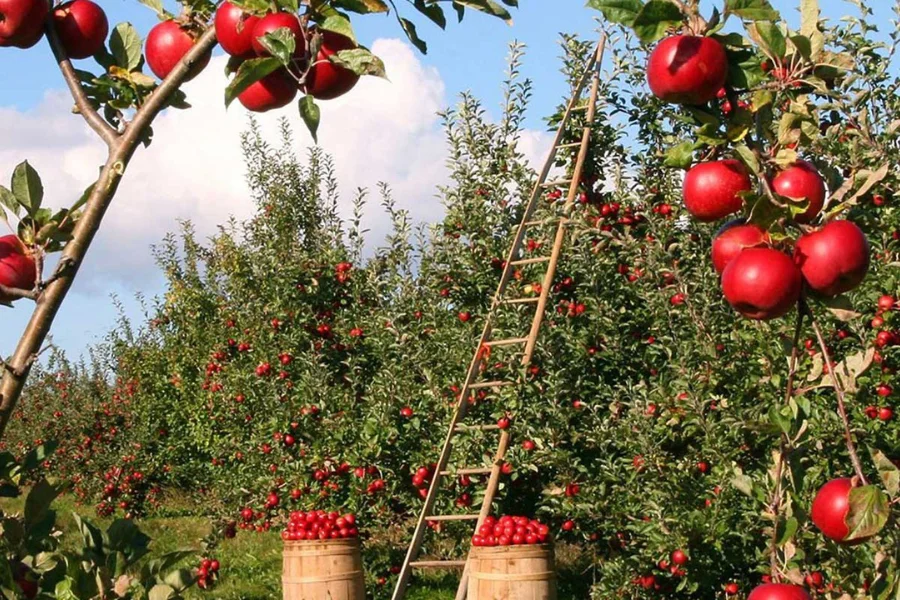
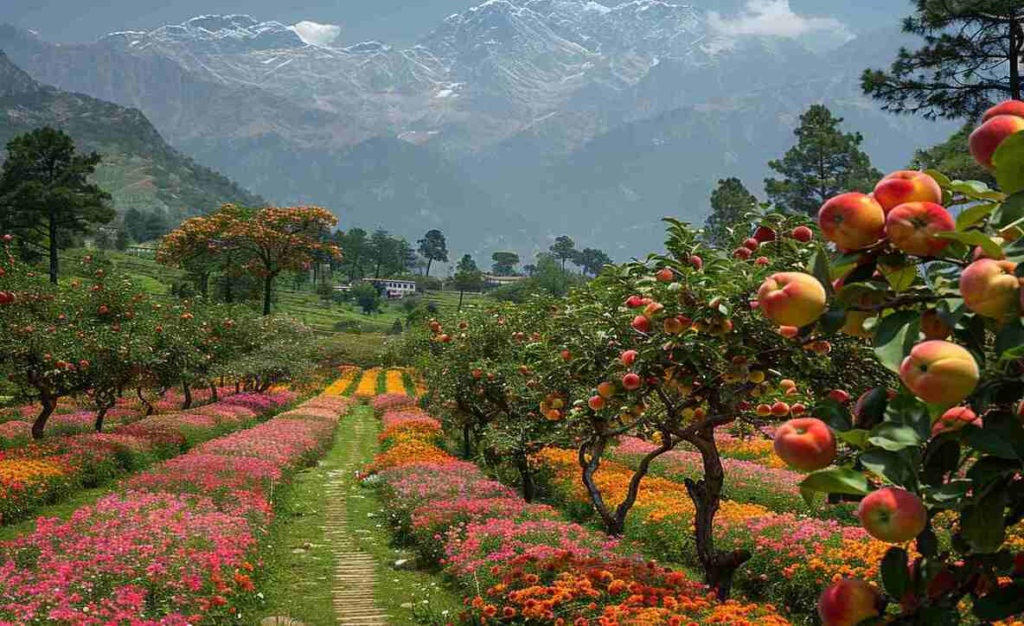
Narkanda is famous for its delicious cherries and apples.
- Harvest Season: Visit in August and September to see the trees heavy with fruit. Many farmers offer “Farm-to-Table” tours where you can learn about grafting and cultivation.
- Stroll & Savor: Walking through the orchards in bloom (April) is equally magical, as the entire valley turns white and pink.
3. Skiing: The Winter Sport Hub
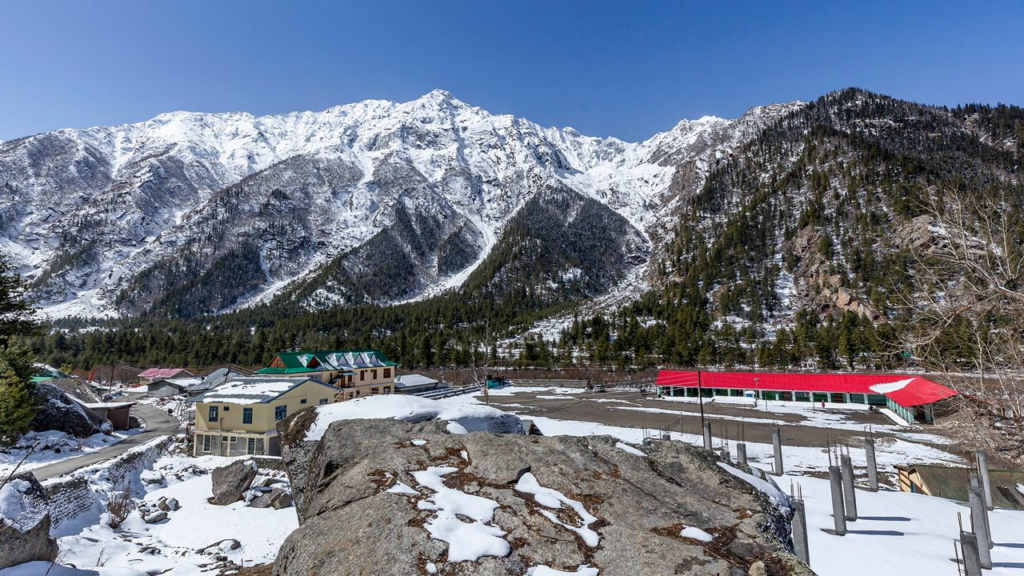
When winter arrives, Narkanda transforms into a premier skiing destination. The slopes at Dhumri are perfect for those who want a quieter, more professional environment than the commercial slopes of Solang Valley.
- 2026 Update: Local schools now offer 7-day residential skiing courses that are highly rated for beginners.
4. Spiritual Exploration: Mahamaya Temple
Located 7 km from Narkanda, the Mahamaya Temple offers a serene atmosphere and breathtaking views of the surrounding valleys. It is a place of deep local spirituality and architectural beauty.
Creator Pro-Tip: The contrast of the dark green fir forests against the bright white peaks is a dream for videographers. Take a Travel Photography course on Skillshare before you go to master high-altitude lighting. You can then edit your cinematic 2026 travel vlogs using Wondershare Filmora.
2026 Travel Logistics: How to Reach
- By Flight: The nearest airport is Jubbarhatti (Shimla), about 60 km away. For the best 2026 rates, check Mytrip.com or Flight Network.
- International Travelers: Coming from the UK? Explore custom India packages on Lastminute UK.
- By Train: The closest station is in Shimla. The Kalka-Shimla Toy Train is a heritage experience that brings you within a short taxi ride of Narkanda.
- By Road: Narkanda is well-connected by NH5. If you’re driving from Delhi or Chandigarh, ensure your vehicle is protected for the steep mountain climbs with ICICI Lombard Car Insurance or Acko Car Insurance. Bikers can secure their journey via Acko Bike Insurance.
Safety, Claims & Protection
- Baggage & Delay Claims: Mountain flights are susceptible to weather delays. AirAdvisor now handles baggage claims (lost/delayed bags) and flight compensation for you.
- Connectivity: Signal can be spotty in the deep orchards. Get an eSIM for seamless data:
- Budgeting Rewards: Earn travel points on your 2026 bookings using the IndusInd Tiger Credit Card or SBI Credit Card.
- International Health: Foreign tourists should use AURAS Travel Insurance to cover high-altitude emergencies.
Best Time to Visit Narkanda
- Summer (March to June): Pleasant weather (15°C to 25°C), perfect for trekking Hatu Peak.
- Monsoon (July to September): The hills turn neon green and the apple harvest begins. Be cautious of landslides.
- Winter (December to February): The Skiing Season. Temperatures drop to -2°C, and the landscape is a pristine white wonderland.
Local Cuisine: What to Eat
- Siddu: A yeast-based steamed bread served with local ghee.
- Chana Madra: Chickpeas slow-cooked in a rich yogurt gravy.
- Apple Pie & Juice: Since you’re in the orchard hub, these are absolute essentials!
- Khoru: A traditional buttermilk-based soup that is perfect for cold evenings.
Where to Stay
- Luxury/Adventure: Tethys Ski Resort — Offers stunning views and direct access to winter sports.
- Boutique: Banjara Orchard Retreat — Experience living inside an actual apple orchard.
- Budget: Various homestays in Narkanda village provide an authentic taste of local life.
FAQ Section
Q: Is Narkanda better for families or couples? A: Both! Families love the skiing and orchards, while couples enjoy the quiet seclusion and romantic views of Hatu Peak.
Q: What if my bags are lost at the airport? A: Don’t let it ruin your trip. Use AirAdvisor to file a claim for lost or delayed baggage.
Q: Is it safe to drive to Narkanda in winter? A: It can be challenging due to black ice. Ensure your vehicle has good tires and that your ICICI Lombard Car Insurance includes roadside assistance.
Conclusion
Narkanda is the perfect escape for those looking to unwind without the tourist crowds. Whether you’re trekking through the fir forests, skiing down snowy slopes, or simply savoring a slice of homemade apple pie, Narkanda promises a 2026 journey that will stay with you forever.