For the last decade, travel in Sri Lanka followed a predictable rhythm: land in Colombo, head to the tea hills of Ella, and end with a surf session in the South. But in 2026, the map has shifted. If you’ve noticed your feed filling up with vibrant saffron-colored temples, coral-walled islands, and the world’s most legendary crab curry, you’re looking at Jaffna.
Once a city whispered about in the context of history and resilience, Jaffna has officially claimed the throne as the #1 trending destination for travelers seeking the “Anti-Instagram” experience. It’s gritty, sun-drenched, and unapologetically authentic. This isn’t a place that has been polished for tourists; it’s a place that invites you to witness its soul.
If you’re planning to be part of the 2026 wave, here is everything you need to know about the North.
1. The Logistics: Breaking the North-South Barrier
Until recently, getting to Jaffna was an ordeal—a 10-hour drive or a bumpy train ride. In 2026, the barriers have crumbled.
Flying in
The Palaly Airport (Jaffna International) is now a bustling regional hub. When booking, it’s worth using meta-search engines like Mytrip or Flight Network to compare these new regional routes. Often, these smaller airlines offer boutique pricing that doesn’t show up on standard aggregators.
You can also cross-check prices on Kiwi.com, which often finds unique route combinations and hidden fares. Tip: Use promo code KIWI20TPWINTER (valid until Feb 28, 2026) for €20 off eligible bookings.
The Rail Experience
If you prefer the “slow travel” movement, the Yal Devi (Queen of Jaffna) express train from Colombo is a rite of passage. The 7-hour journey takes you through the changing landscapes of the island, from the lush green of the South to the dry, palmyrah-dotted plains of the North. If you’re a rail enthusiast who finds joy in the rhythmic clacking of tracks, this journey might even inspire you to look at heritage rail trips elsewhere—perhaps booking a scenic European leg through ItaliaRail for your next summer escape.
Pro-Tip: Air travel in the tropics can be prone to seasonal delays. If your flight into Jaffna gets bumped or canceled, don’t just wait at the gate. Services like AirAdvisor have become standard for 2026 travelers to navigate the complexities of compensation claims for regional flight disruptions, they can also help you for claims about missing or delayed luggage.
2. The Spiritual Pulse: Nallur and Beyond
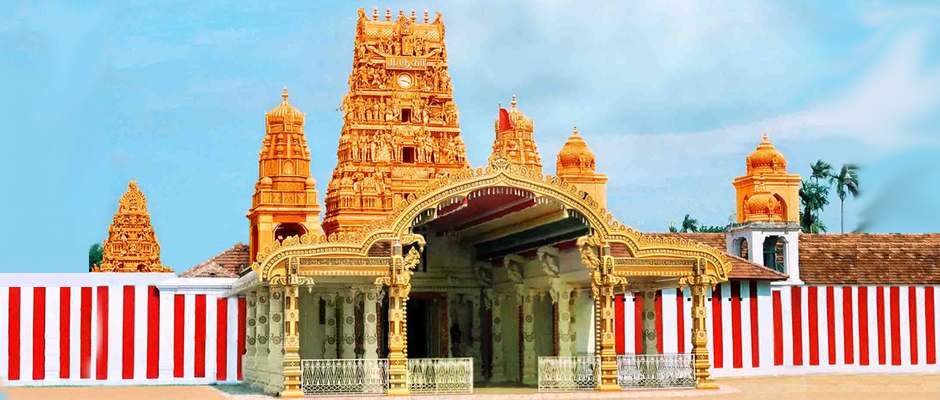
Jaffna is the heart of Sri Lankan Tamil culture. Unlike the Buddhist stupas of the South, the North is dominated by towering, intricately carved Hindu Gopurams.
Nallur Kandaswamy Kovil
The Nallur Temple isn’t just a site; it’s an experience. The golden arches and red-and-white striped walls are iconic. In 2026, the annual Nallur Festival (held in August) is expected to be the largest in a decade.
- The Ritual: Men enter the temple shirtless as a sign of humility.
- The Atmosphere: The scent of burning camphor, the vibration of the nadaswaram (oboe-like instrument), and the sight of thousands of devotees create an energy that is impossible to replicate in a photo.
Jaffna Public Library
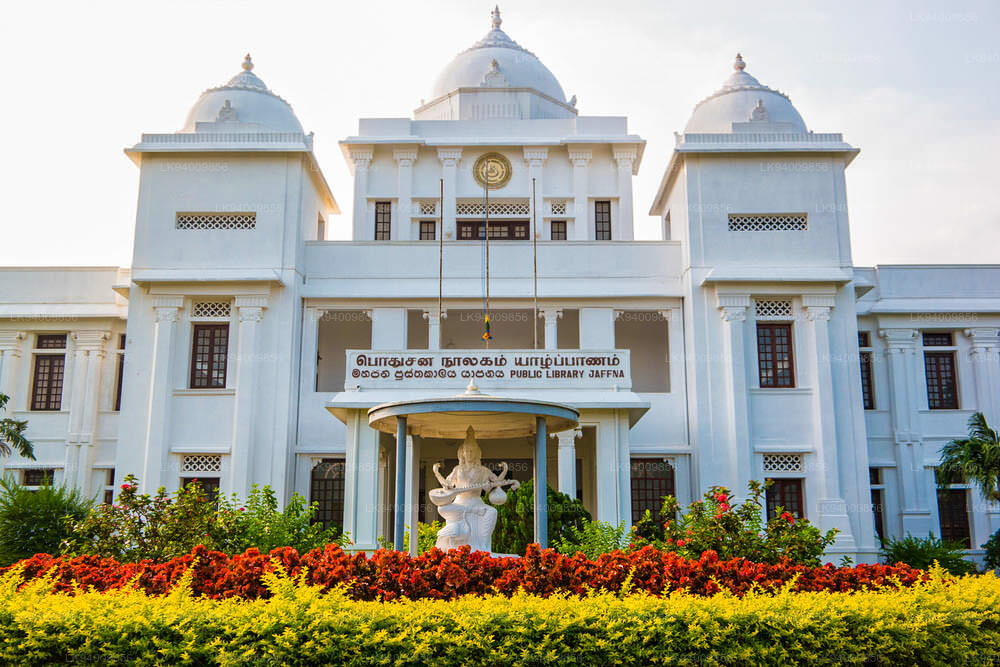
Once one of the largest libraries in Asia, this building is a masterpiece of neo-Mughal architecture. It stands today as a symbol of the city’s intellectual heritage and its incredible story of rebirth.
3. Island Hopping: A Trip into the Surreal
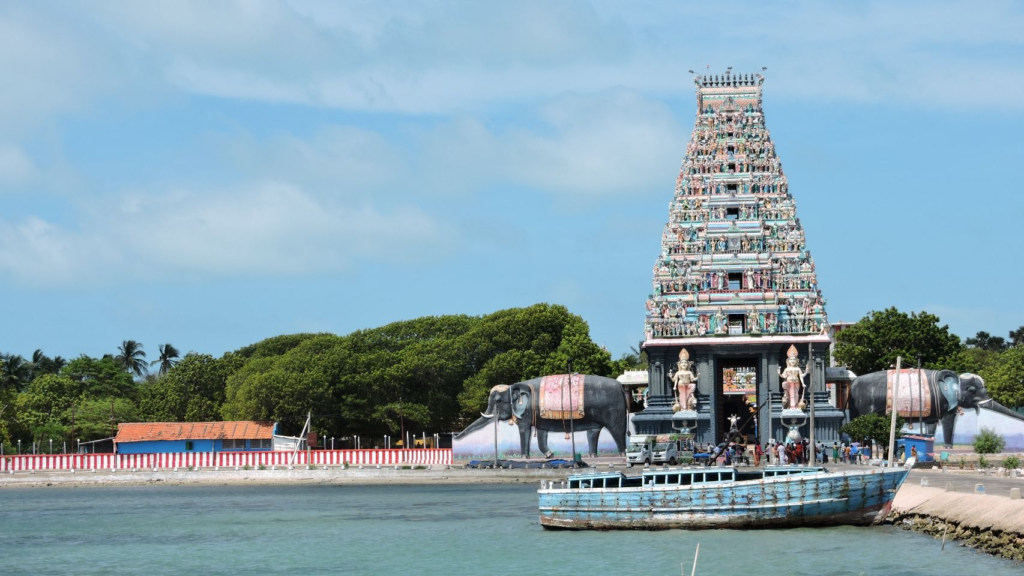
The islands surrounding the Jaffna peninsula feel like a fever dream. To reach them, you’ll head to the Kurikadduwan (KKD) pier.
Delft Island (Neduntheevu)
Delft is arguably the most unique place in Sri Lanka. It’s a flat, windswept island where the “fences” are made of stacked coral and the residents include wild horses—descendants of those left behind by Dutch explorers in the 17th century.
- Must-See: The Growing Rock (a limestone monolith that locals swear is getting taller) and the Baobab tree, planted by Arab traders centuries ago.
Nainativu
This island is a rare example of religious harmony, home to both the massive Nagapooshani Amman Temple and the Nagadeepa Purana Vihara Buddhist stupa. The ferry ride there is often crowded with pilgrims, offering a beautiful cross-section of Sri Lankan life.
4. The Digital Nomad Revolution in the North
With the launch of Sri Lanka’s specialized Digital Nomad Visa in early 2026, Jaffna has become an unlikely hotspot for remote workers. The cost of living is significantly lower than in Colombo, and the “distraction-free” environment is perfect for deep work.
Staying Connected
While the vibe is ancient, your internet shouldn’t be. Don’t waste your first day hunting for a local SIM card shop in the heat. Savvy nomads now use Airalo to activate an eSIM the moment they land. Having 5G access at your fingertips is essential for navigating the maze of Jaffna’s backstreets or calling a pick-up after a late dinner.
Content Creation
Jaffna is a visual goldmine, but the lighting is tricky. The harsh tropical sun can wash out the vibrant colors of the temples. Many travelers are using their transit time to brush up on their skills with a Skillshare course on travel photography or “Storytelling through Video.” Once you’ve captured that raw footage of the Delft horses, tools like Wondershare make it incredibly easy to edit professional-grade vlogs on your laptop, even from a hammock in a palmyrah grove.
5. The Culinary Trail: The Legend of the Crab
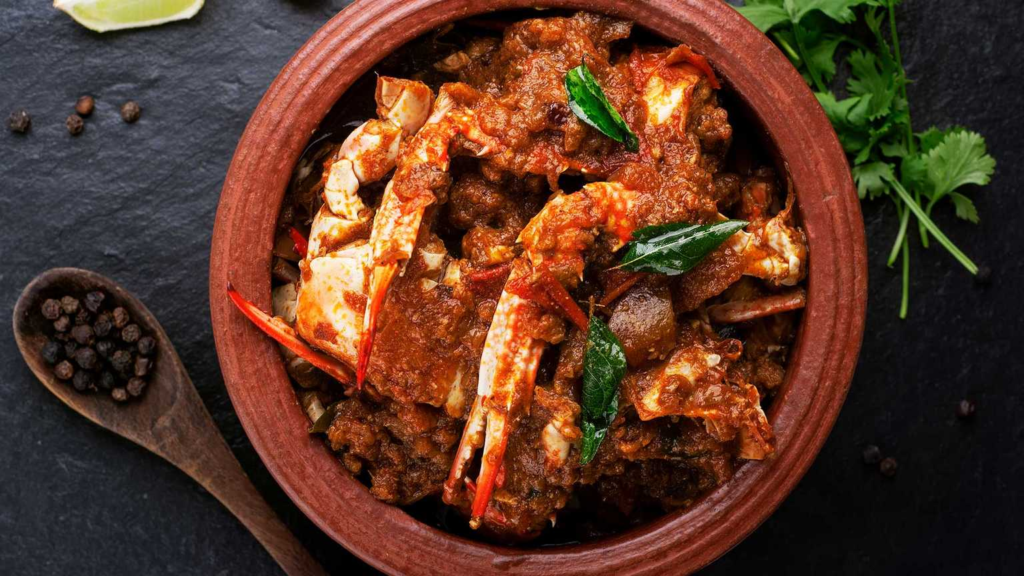
Jaffna cuisine is the “soul food” of Sri Lanka. It is fiery, earthy, and deep.
- Jaffna Crab Curry: This is the Holy Grail. Infused with drumstick leaves and a specific blend of roasted curry powder, it’s a messy, glorious feast.
- Odiyal Kool: A thick, fermented seafood soup made from palmyrah flour. It is a communal dish, often shared among families on Sundays.
- Rio Ice Cream: You haven’t “done” Jaffna until you’ve sat at Rio. It’s an institution. Order the ‘Special Mix’—it’s a chaotic, delicious tower of jelly, fruit, and ice cream that perfectly captures the city’s eccentricity.
6. Safety, Insurance, and the “Bumpy” Reality
Jaffna is remarkably safe, but the infrastructure is still catching up. The best way to explore the peninsula is by renting a scooter or a small car. However, the roads can be unpredictable, especially during the monsoon.
For flexible pricing and delivery options across Sri Lanka, many travelers pre-book through GetRentacar.com, which can sometimes offer lower-than-market rental deals and low-deposit options
Smart Coverage
If you’re an Indian traveler heading South for the season, checking your existing policies is a smart move. Platforms like Acko for Bike Insurance or their Car Insurance section or ICICI Lombard are popular for their digital-first approach to local coverage in India. For the international leg of your trip, ensuring you have a comprehensive travel policy from AURAS Travel Insurance is essential. Whether it’s a missed ferry to Delft or a minor scrape on a rental scooter, having that “safety net” allows you to focus on the experience rather than the logistics.
7. Planning Your Stay
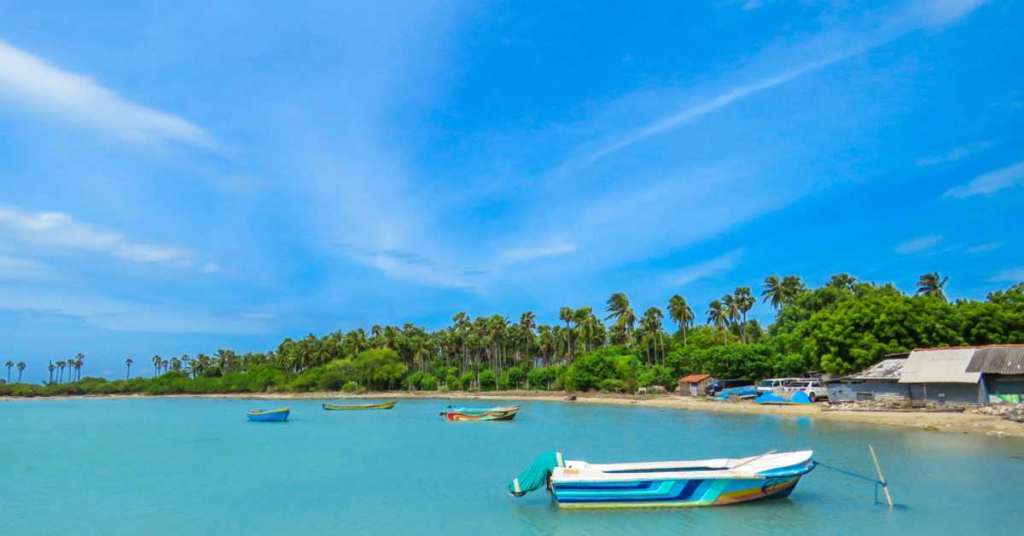
Jaffna’s hospitality scene in 2026 is a mix of heritage homes and modern boutique hotels. Properties like The Thinnai or Jetwing Jaffna offer a high-end base with incredible views of the city skyline.
Maximizing Your Budget
Travelers from India who want to make their money go further are increasingly using travel-specific credit cards. For example, using an IndusInd Tiger Credit Card or an SBI Credit Card for your hotel bookings can often yield accelerated reward points or lounge access during your layover in Chennai or Colombo.
If you’re coming from the UK, check out Lastminute UK. They have recently started offering “Discovery Bundles” that combine flights to Colombo with boutique stays in Jaffna—often at a fraction of the price of booking separately.
8. A 4-Day Perfect Jaffna Itinerary
- Day 1: The Cultural Immersion. Land at Palaly Airport. Check into your hotel. Visit the Nallur Kandaswamy Temple in the late afternoon. End the night with a traditional vegetarian meal at the Malayan Café.
- Day 2: The Island Adventure. Head to Kurikadduwan pier early. Take the ferry to Delft Island. Spend the day exploring the coral walls and wild horses. Return for dinner and try the iconic crab curry at Jetwing’s rooftop.
- Day 3: The Northern Tip. Visit Casuarina Beach for a swim in the shallow, clear waters. Head to Point Pedro, the northernmost tip of Sri Lanka. Visit the Keerimalai Sacred Water Springs, where a natural pool sits right on the edge of the ocean.
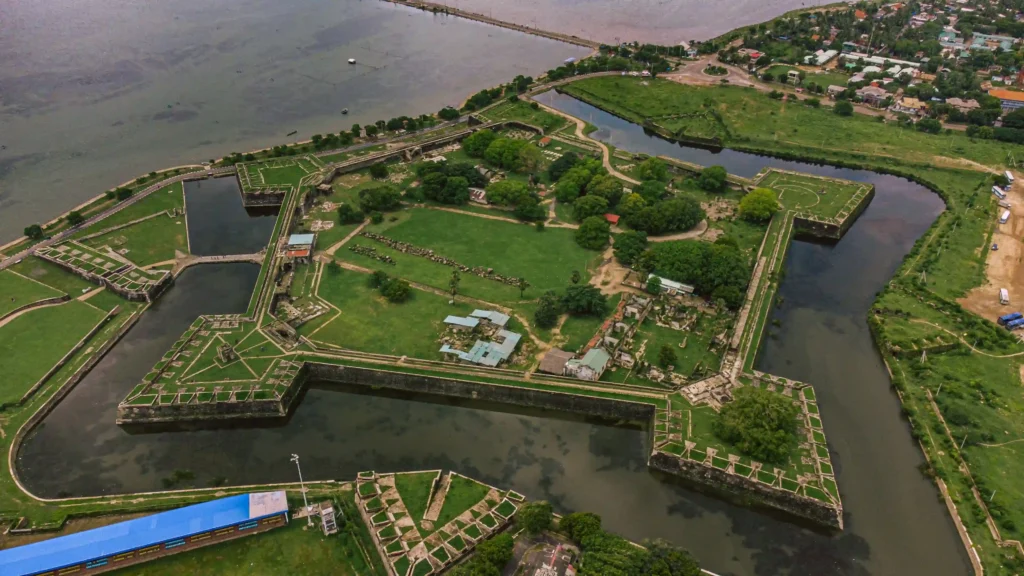
- Day 4: History and Markets. Spend the morning at the Jaffna Fort. Wander through the Jaffna Market to buy sun-dried chilies and palmyrah handicrafts. Grab one last ice cream at Rio before heading to the airport or the railway station.
Why the World is Watching Jaffna
The reason Jaffna is “suddenly everywhere” in 2026 is that it offers what modern travel has lost: Surprise. You cannot predict what you will find in the backstreets of the Jaffna market. You cannot “pre-filter” the raw intensity of a temple ceremony.
Jaffna is a city that has survived, evolved, and finally flourished. It doesn’t care if you like its “aesthetic”—it only cares that you’ve come with an open heart and a hungry stomach.