Discovering Harsil: An Underrated Hill Station Gem
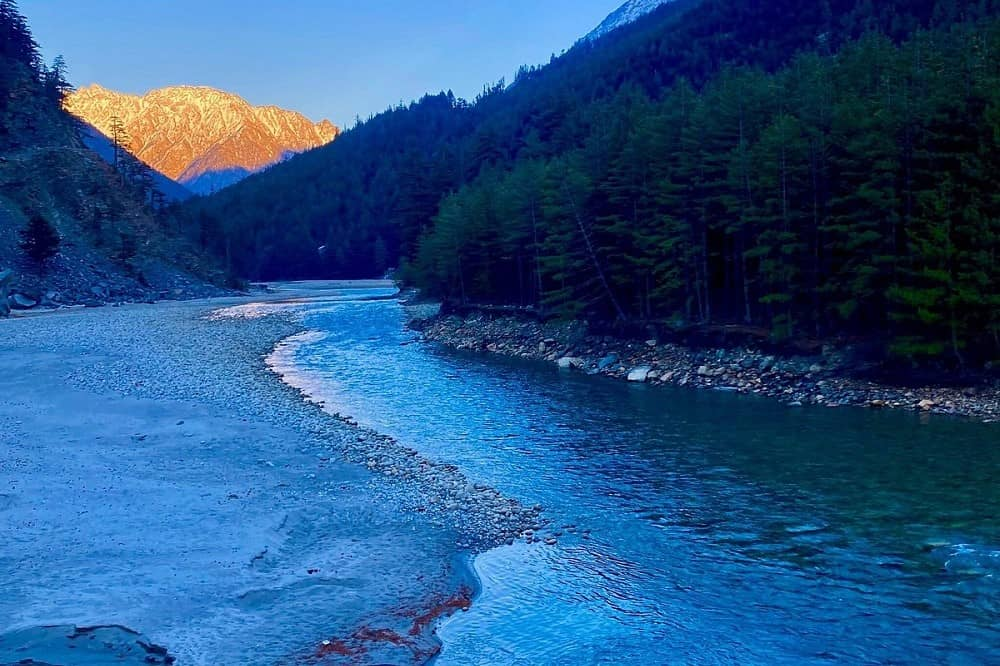
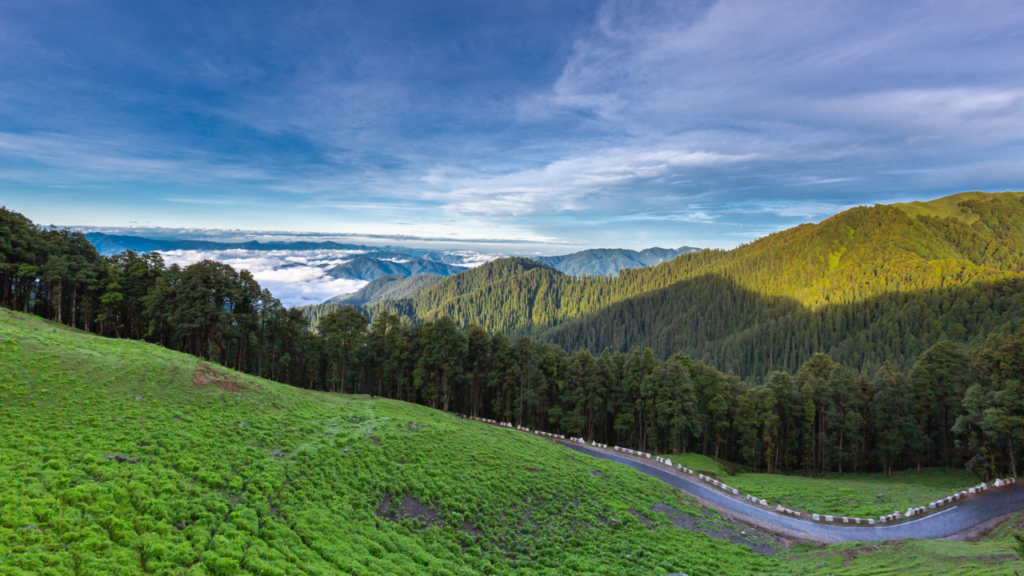
If you are looking for the “Kashmir of Uttarakhand,” look no further than Harsil. Located at an altitude of 2,620 meters (8,600 feet) on the banks of the Bhagirathi River, Harsil is a valley of surreal beauty. It is famous for its vast apple orchards, dense deodar forests, and a silence that is only broken by the roar of the river.
In 2026, Harsil remains the ultimate sanctuary for “High-Altitude Slow Travel”—perfect for those who want to stay close to the sacred vibes of Gangotri but far from the commercial noise of major pilgrim hubs.
The Vibe & History: The Legend of “Pahari” Wilson
Harsil carries a vibe of “alpine mystery.” Historically, the valley was made famous by Frederick “Pahari” Wilson, a British deserter who settled here in the 1850s, married a local woman, and introduced commercial apple farming to the region. The “Wilson Apples” are still a hallmark of Harsil.
The village is also home to the Jadh community, a tribe of Bhotiyas who traditionally traded with Tibet. During the winters, the idol of Goddess Ganga is brought down from Gangotri to Mukhba village (adjacent to Harsil), making it a deeply spiritual center. The vibe here is a mix of frontier history and Himalayan sanctity.
Top Experiences in Harsil (2026 Edition)
1. The Walk through Apple Orchards
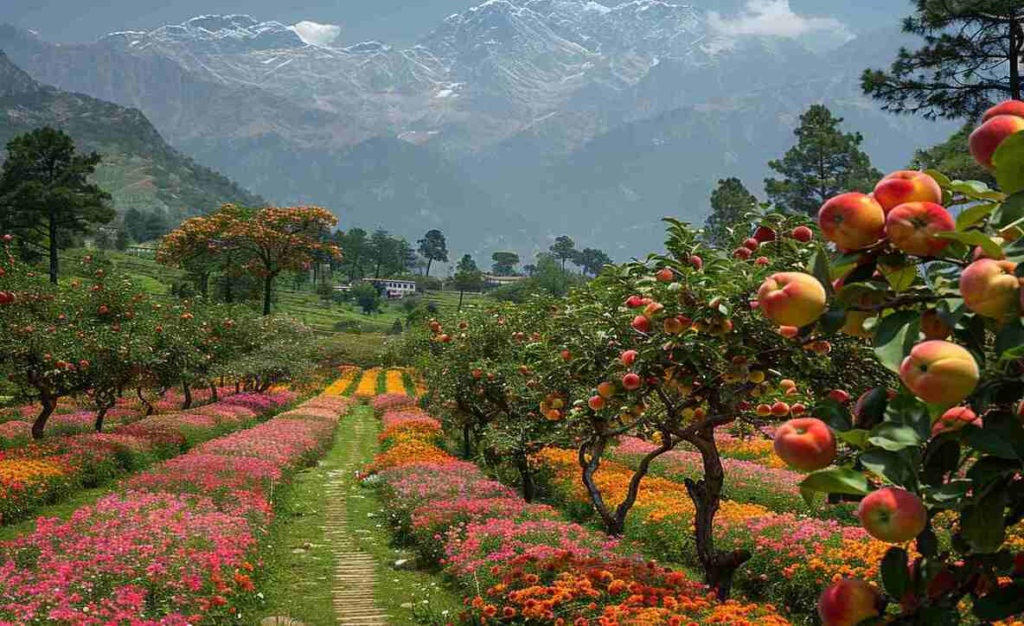
Harsil is the apple capital of the state.
- The Experience: In spring (April-May), the valley is a sea of white blossoms; in autumn (September-October), the trees are heavy with red fruit. Walking through these orchards with the snow-capped peaks in the background is a sensory delight.
- Creator Tip: The contrast of the deep blue Bhagirathi against the red apples is a photographer’s dream. To capture these high-contrast colors, refine your landscape techniques with a Photography course on Skillshare. You can later edit your 2026 travel vlogs using Wondershare Filmora.
2. Trek to Sattal (Seven Lakes)
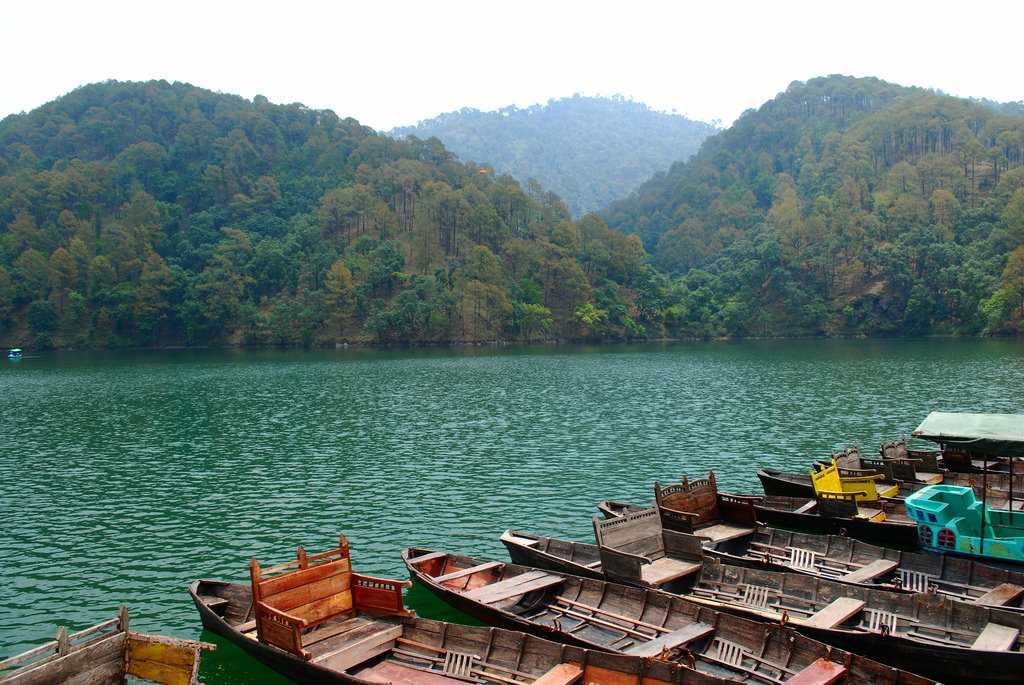
For the adventurous, the trek to Sattal is a must. It is a cluster of seven interconnected high-altitude lakes located about 3 km above Harsil. Each lake has a different hue, and the trail offers bird’s-eye views of the valley.
3. Visit Mukhba Village
Just across the river lies Mukhba, the winter home of Goddess Ganga. The wooden architecture of the local houses and the ancient temples provide a glimpse into the resilient lifestyle of the Garhwali people.
4. The Gangotri Day-Trip
Harsil is just 25 km from Gangotri, one of the Char Dham shrines. Visiting the temple from Harsil allows you to experience the divinity of the shrine while retreating to the quiet comfort of Harsil for the night.
2026 Logistics: Reaching the Valley
- By Flight: Jolly Grant Airport (Dehradun) is the closest hub, roughly 230 km away. To track 2026 flight stability and regional fares, travelers use Mytrip.com or Flight Network.
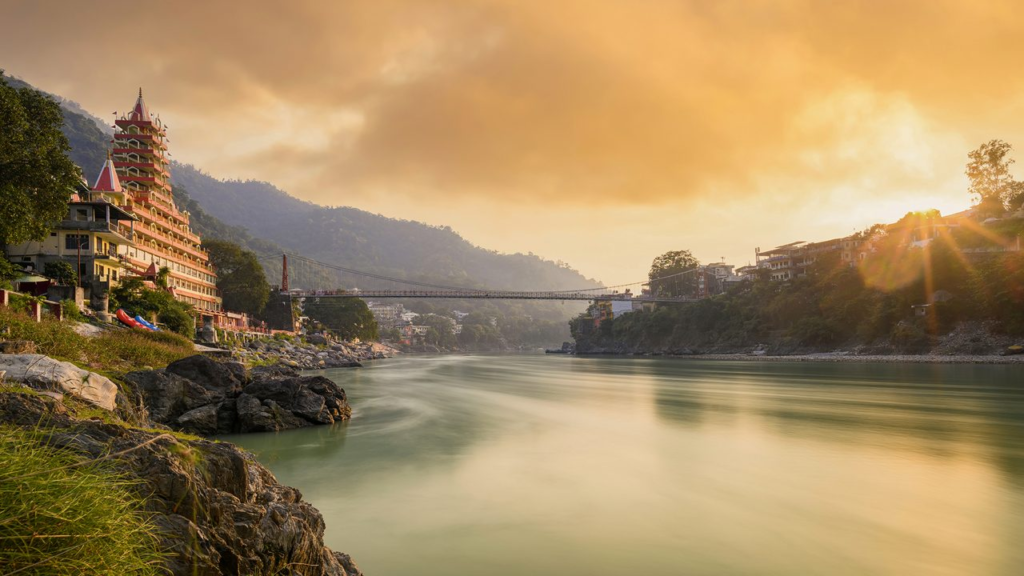
- By Train: Rishikesh or Yog Nagari Rishikesh is the nearest major railhead (approx. 220 km). From here, private or shared taxis are the best way to navigate the winding roads.
- By Road: The drive through Uttarkashi is spectacular. If you are driving your own SUV or motorcycle, ensure you have insurance tailored for mountain travel via ICICI Lombard or Acko. For bikers, Acko Bike Insurance is a 2026 standard for peace of mind on the NH-34 climb.
Safety, Claims & Protection: The “Savvy Traveler” Section
Traveling into the deep Himalayas requires a specific kind of preparedness.
- Baggage and Transit Security: High-altitude travel often involves multiple vehicle transfers. If the airline mishandles your luggage at Dehradun or your transport is significantly delayed, AirAdvisor is a professional service that manages your legal claims for compensation while you head to the orchards.
- Connectivity Strategy: Mobile signals in Harsil are generally reliable in the main village, but data can “shadow” near the river or on treks.
- General Solution: Download “Offline Google Maps” for the Uttarkashi district before leaving Rishikesh.
- Modern Solution: For the best chance of data in the valleys, an eSIM from Airalo allows you to switch between network providers to find the strongest available tower.
- Financial Strategy: ATMs in Harsil are rare and often out of cash. Carry sufficient physical currency. When booking your luxury camps or riverside homestays in advance, use travel-centric cards like the IndusInd Tiger Credit Card or SBI Credit Card to earn high reward points on your accommodation.
- Health & Insurance: Given the altitude, stay hydrated. International visitors should ensure they have AURAS Travel Insurance, which covers high-altitude medical emergencies.
Best Time to Visit
- Summer (April to June): Perfect weather for sightseeing (15°C to 25°C). Best for the Char Dham pilgrimage season.
- Autumn (September to October): Harvest season! The valley smells of apples and the views are the clearest.
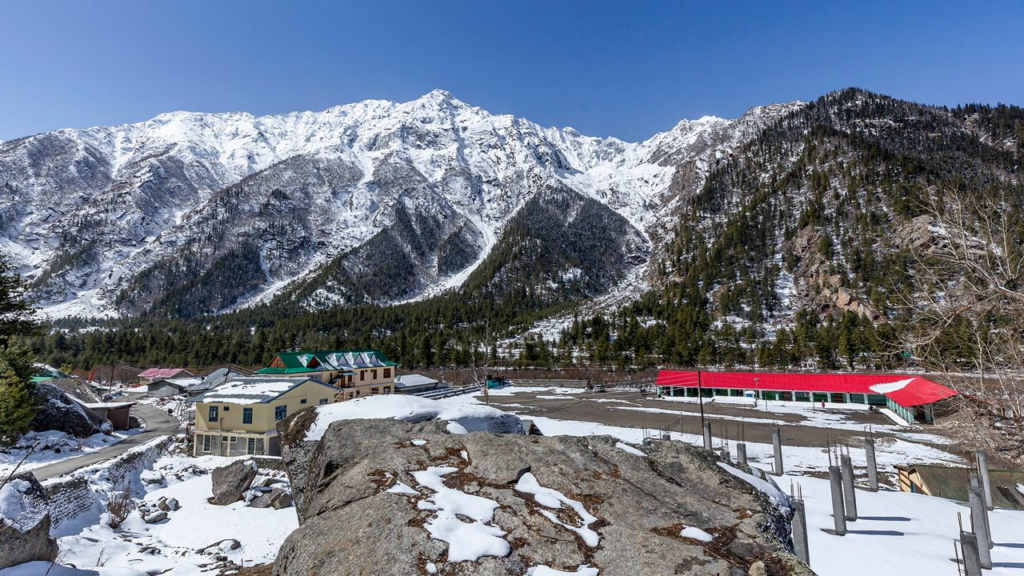
- Winter (December to March): Chilly air and heavy snow. The village often turns into a white paradise, perfect for those seeking extreme peace.
Local Cuisine: The Garhwali Table
Don’t leave without trying:
- Gahat ki Dal: A local lentil soup, rich in nutrition and perfect for the cold.
- Mandua ki Roti: Nutritious finger millet bread.
- Aloo ke Gutke: Spicy stir-fried mountain potatoes with local herbs.
FAQ Section
- Is Harsil safe? Extremely. It is a peaceful, pilgrim-friendly valley.
- How many days? 3 days is ideal for Harsil, Sattal, and a Gangotri visit.
- Does it snow? Yes, typically from late December to February.
- Lost luggage? Use AirAdvisor to file a claim instantly and get back to your Himalayan escape.
Conclusion
Harsil is a place that invites you to breathe deeper. From its whispering deodars to the sacred flow of the Bhagirathi, it offers a 2026 journey that celebrates both nature and spirit.