Your Ultimate Guide to Munsiyari: An Underrated Hill Station in India
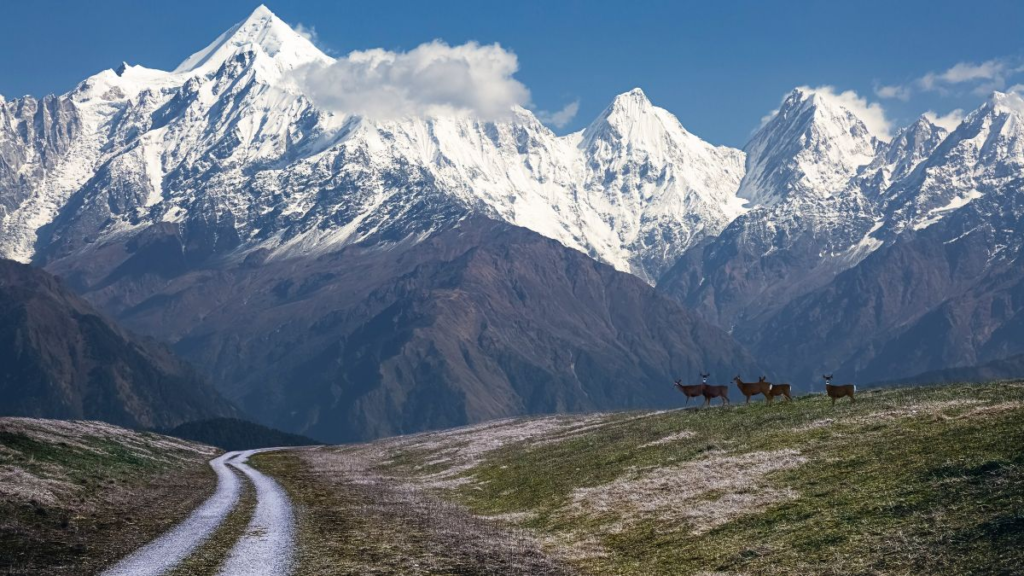
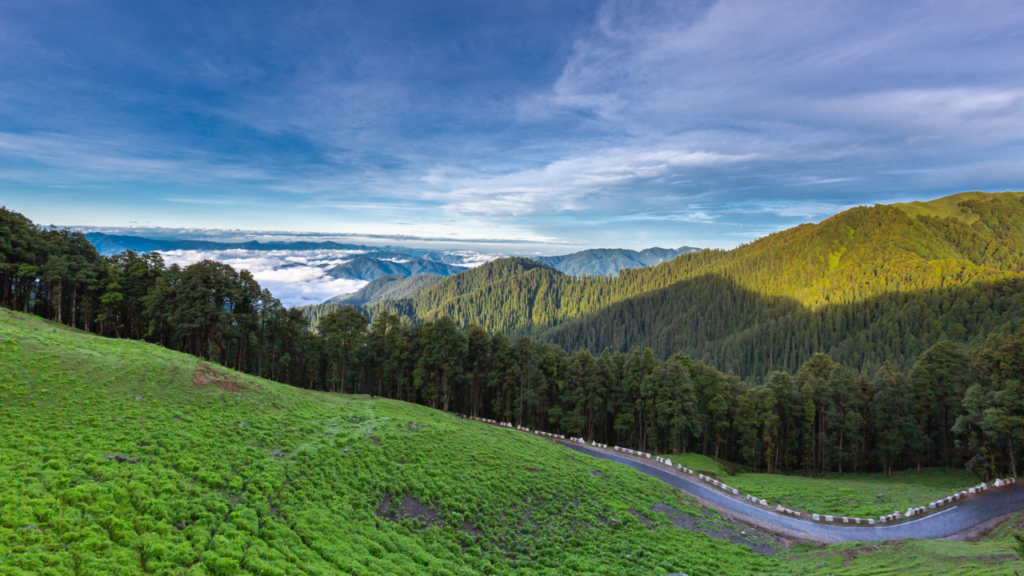
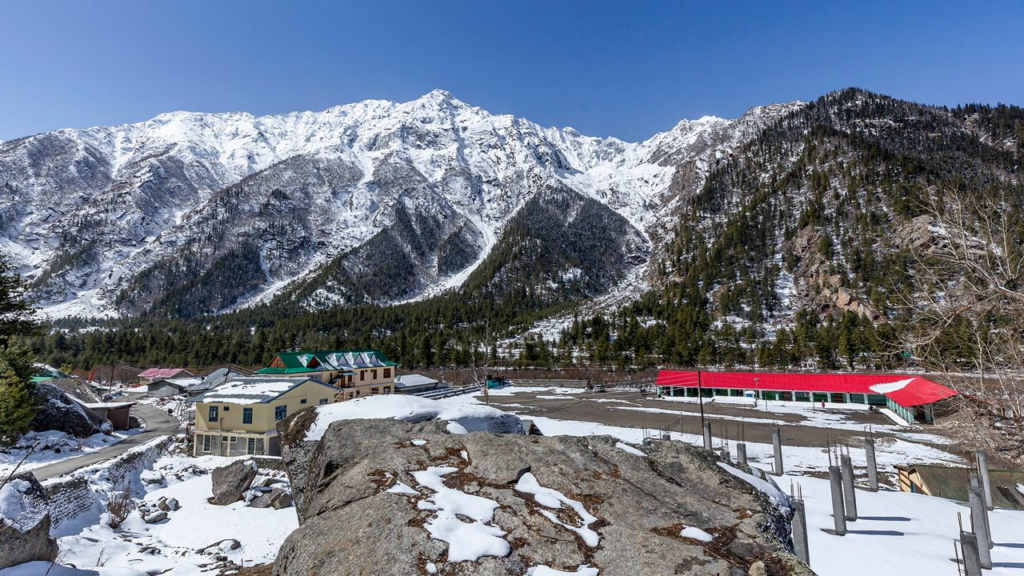
Perched at a staggering altitude of 2,200 meters (7,200 feet) in the Pithoragarh district of Uttarakhand, Munsiyari is often called the “Little Kashmir” of the Kumaon Himalayas. It serves as the base for the legendary Milam and Ralam glaciers and offers a front-row seat to the Panchachuli Peaks, a cluster of five snow-capped summits that look close enough to touch.
In 2026, Munsiyari remains a sanctuary for “Edge of the World” travel. It is a destination for those who find beauty in ruggedness and luxury in silence.
The Vibe & History: The Shauka Silk Route
Munsiyari isn’t just a hill station; it’s a living museum. Historically, it was the gateway for the Shauka people—a community of trans-Himalayan traders who traveled between India and Tibet. After the 1962 border closure, the town transformed into a quiet Himalayan outpost.
The vibe today is a profound blend of high-altitude adventure and ancient cultural stoicism. You’ll see traditional wooden-carved houses, women weaving intricate woolen carpets, and a landscape that feels vast, ancient, and deeply spiritual.
Top High-Altitude Experiences (2026 Edition)
1. The Trek to Khalia Top (3,500m)
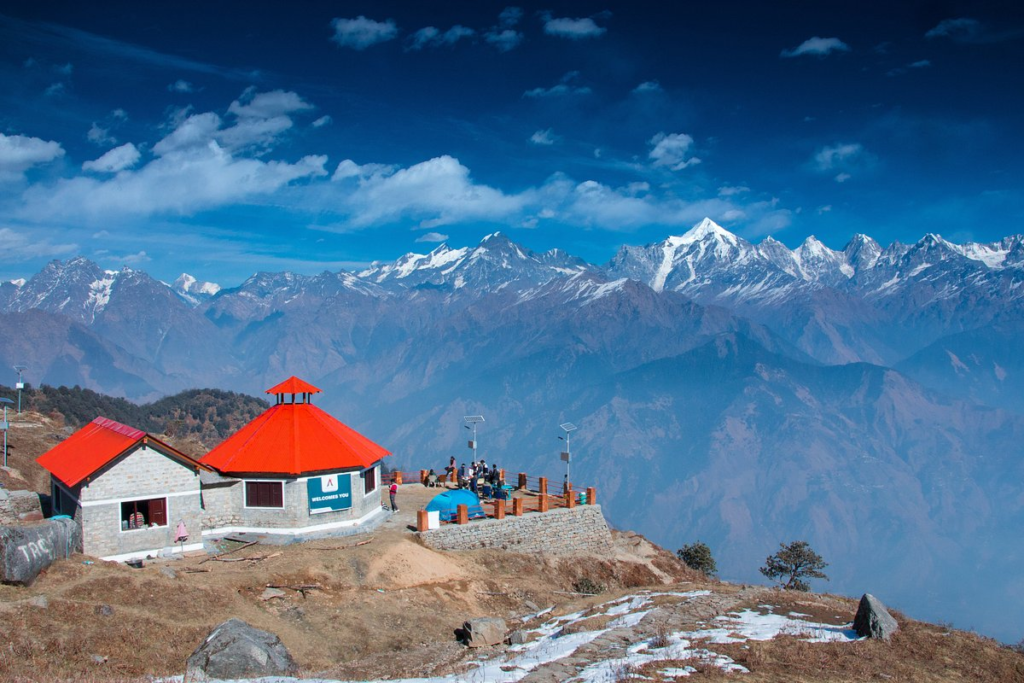
This is the “crown jewel” of Munsiyari day-treks.
- The Route: A 7-km climb through dense forests of oak and ancient rhododendrons.
- The Reward: From the summit, you get a 360-degree view of the Greater Himalayas, including the peaks of Nanda Devi and the mountains of Western Nepal.
- Pro Tip: In 2026, many trekkers use the “Golden Hour” to capture the peaks turning crimson. To document this perfectly, refine your cinematic shots with a Photography course on Skillshare and edit your 4K 2026 reels using Wondershare Filmora.
2. Birthi Falls: The Misty Sentinel
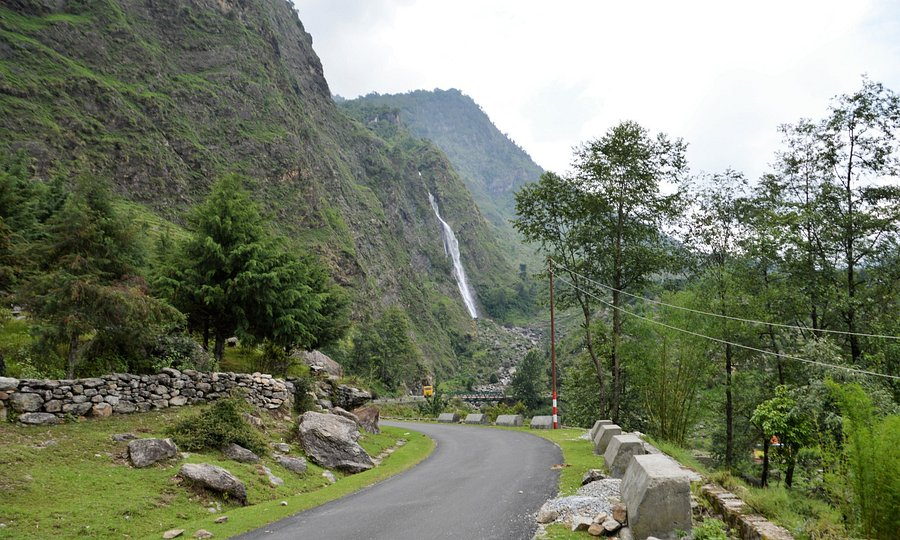
Located 35 km before Munsiyari, this 126-meter waterfall is a force of nature. In the monsoon, the spray reaches the road, while in winter, it creates delicate ice formations on the cliffs. It’s a perfect spot for slow-shutter photography.
3. Tribal Heritage Museum (Master’s Museum)
Founded by Dr. S.S. Pangthi, this private museum is essential to understanding the region. It houses artifacts from the Tibet trade era, including yak-skin bags, ancient fossils found in the Himalayas, and traditional jewelry.
4. The Nanda Devi Temple
A short, easy walk from the town leads to a white temple set against the massive backdrop of the Panchachuli range. It is one of the most serene sunset spots in all of Uttarakhand.
2026 Logistics: Reaching the Remote Kumaon
Munsiyari is remote, and the journey is part of the experience.
- By Flight: The nearest major airport is Jolly Grant (Dehradun) or Pantnagar (PGH). For 2026’s most reliable flight connections and pricing, travelers check Mytrip.com or Flight Network.
- By Train: The closest railhead is Kathgodam (215 km). From here, expect a 10-12 hour drive through winding mountain roads.
- By Road: The drive is spectacular but demanding. If you are taking your own SUV or motorcycle, ensure your insurance covers high-altitude zones. Check ICICI Lombard or Acko for car coverage, and Acko Bike Insurance for motorbikes.
Safety, Claims & Protection: The Frontier Manual
In 2026, smart travel in remote zones means being prepared for the “what ifs.”
- Baggage and Transit Delays: Regional flights and long bus transits in the hills can occasionally lead to mishaps. If your flight into the region is delayed or the airline loses your specialized trekking gear, don’t stress. AirAdvisor is a professional service that manages flight compensation and baggage claims for you, so you can stay in the mountains while they deal with the airline’s legal team.
- Digital Survival: Mobile network in Munsiyari is notoriously fickle.
- General Solution: Always carry a printed map or download “Offline Maps” for the Pithoragarh district.
- Modern Solution: For the best chance of data in the valleys, an eSIM from Airalo allows you to switch between network providers to find the strongest local signal.
- Financial Strategy: Many local homestays in 2026 prefer cash or UPI. When booking your base camp hotels or luxury resorts in advance, use a travel-centric card like the IndusInd Tiger Credit Card or SBI Credit Card. These cards offer high reward points on travel spending, essentially subsidizing your next trip.
- Health & Insurance: AMS (Acute Mountain Sickness) can occur here. Ascend slowly and stay hydrated. For international travelers, AURAS Travel Insurance is highly recommended as it covers high-altitude medical evacuations.
Best Time to Visit
- Summer (March to June): Ideal for trekking. Temperatures: 10°C to 25°C.
- Monsoon (July to September): The valley is lush but roads are prone to landslides. Only for seasoned travelers.
- Winter (October to February): Crisp, clear skies and heavy snow in Dec-Jan. Best for those seeking the “Winter Wonderland” vibe.
Local Cuisine: The Kumaoni Palate
Food here is about survival and warmth. Don’t leave without trying:
- Bhatt ki Churkani: A protein-packed black soy bean stew.
- Madua ki Roti: Nutritious finger millet bread.
- Kumaoni Raita: Infused with local mustard seeds—a spicy twist on a classic.
FAQ Section
- Is Munsiyari safe? Yes, it is incredibly safe. The locals are some of the most hospitable people in the Himalayas.
- How many days? At least 4 to 5 days, including travel time.
- Is there internet? It’s very patchy. Treat this as a digital detox.
- Lost luggage? If your bags go missing in transit, use AirAdvisor to file a claim instantly and get back to your trek.
Conclusion
Munsiyari isn’t just a place you visit; it’s a place that humbles you. From the peaks of Panchachuli to the stories of the Shauka traders, it offers a 2026 journey that is as much about inner peace as it is about outer adventure.