Your Ultimate Guide to Sangla: An Underrated Hill Station in 2026
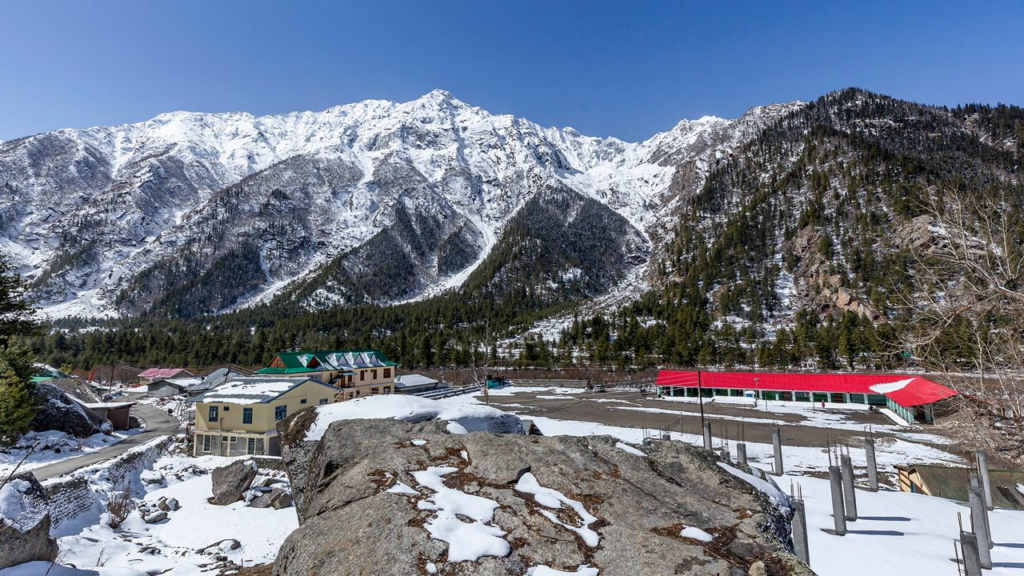
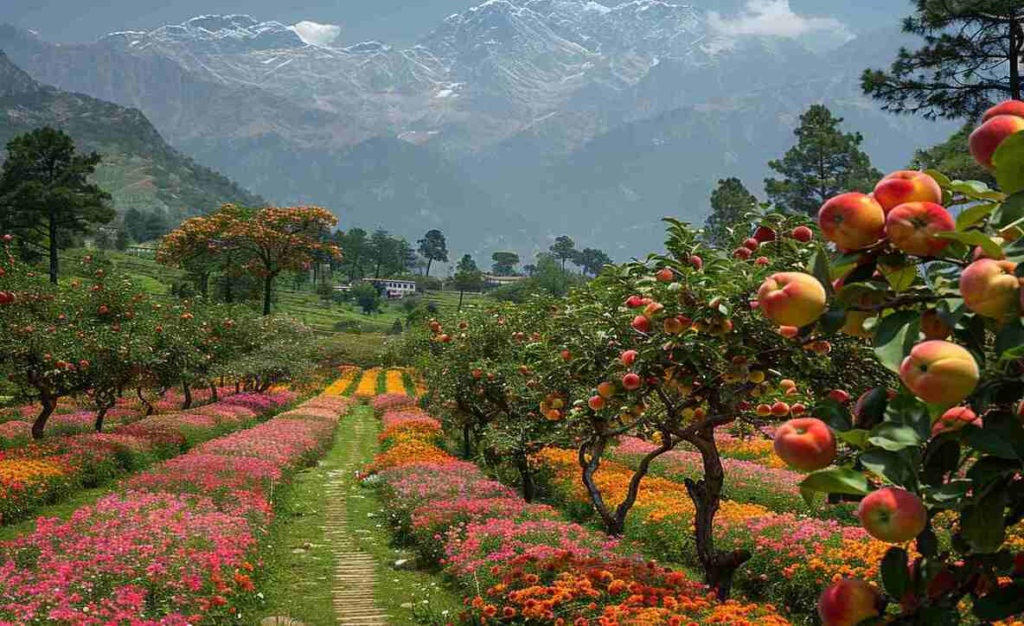
Nestled in the picturesque Kinnaur district of Himachal Pradesh, Sangla (the “Pass of Light”) is a high-altitude sanctuary that remains untouched by the commercial rush of 2026. Famous for its sprawling apple orchards, the turquoise Baspa River, and a culture that blends Hindu and Buddhist traditions, Sangla is the gateway to some of the most dramatic landscapes in the Indian Himalayas.
The Vibe & History: A Cultural Gateway
Sangla is not just a destination; it is an ancient frontier. Traditionally, it served as a vital link on the trade routes between India and Tibet.
- The Architecture: You’ll see the Kathkuni style—a unique Himalayan construction using alternating layers of stone and wood to withstand earthquakes.
- The Culture: The locals belong to the Kinnauri tribe, known for their hospitality and deep spiritual connection to nature. In 2026, the valley continues to maintain its eco-conscious and traditional way of life.
Top Things to Do in Sangla
1. Journey Through Time at Kamru Fort
Located 2 km above Sangla village, this 15th-century wooden tower is a marvel.
- The Ritual: Before entering, visitors must wear a traditional Kinnauri cap and a waist sash (provided at the gate).
- The Shrine: The third floor houses an idol of Kamakshi Devi, brought from Guwahati centuries ago. The fort offers a 360-degree view of the Baspa Valley that is simply breathtaking.
2. The Hidden Gem: Batseri Village
Just 8 km from the main town, Batseri is arguably the most beautiful village in the valley.
- The Badri Narayan Temple: A recent reconstruction of the ancient temple, it features some of the finest wood carvings in all of Himachal.
- Local Shopping: This is the best place to find hand-woven Himachali Shawls, pure walnut oil, and Chilgoza (pine nuts).
3. Trekking & Adventure
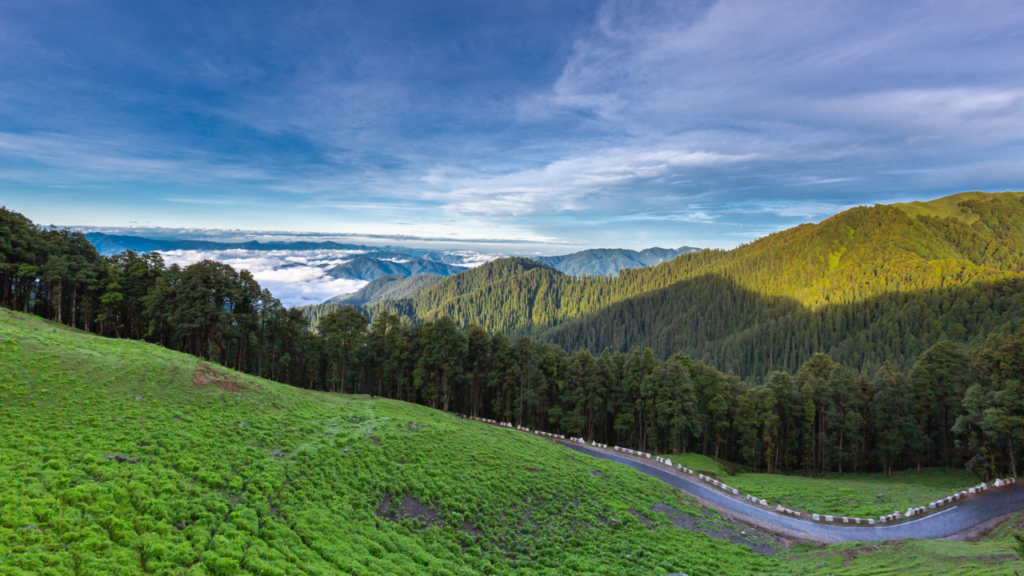
- Sangla Meadows (Sangla Kanda): A half-day trek leading to lush alpine pastures surrounded by snow-capped peaks. In summer, the meadows are carpeted with wildflowers.
- Rakcham-Chitkul Trail: A scenic 12 km riverside walk that follows the Baspa River. It’s a relatively flat, immersive way to see the transition from forest to high-altitude desert.
- The Glacier Walk: For the adventurous, a trek toward the Siman Glacier offers a chance to touch the eternal snow of the Himalayas.
4. The Trout Farming Experience
The icy, oxygen-rich waters of the Baspa are perfect for Rainbow and Brown Trout. You can visit the government-run trout farm or arrange a fishing permit for a quiet afternoon on the riverbank.
Creative Tip: To capture the perfect 2026 travel vlog, take a Skillshare course on Cinematic Drone/Mobile Photography before your trip. You can later edit your mountain memories using Wondershare Filmora.
2026 Festivals: Don’t Miss These!
- Sangla Holi (Fagli Festival): In 2026, the main Holi celebrations will occur from February 28th to March 3rd. Unlike the plains, Sangla celebrates with snow, traditional dances (Phagli), and local liquor (Chhang).
- Fulaich Festival: Held in September, this “Festival of Flowers” involves villagers trekking to high ridges to collect rare mountain blossoms to offer to the deities.
Reach Sangla: 2026 Travel Logistics
- By Air: The nearest airport is Shimla (235 km). Find the best 2026 rates on Mytrip.com or Flight Network.
- By Train: Kalka (300 km) is the nearest major railhead.
- Road Safety: The roads are famous for their “half-tunnel” cliff carvings.
- Ensure your SUV is protected by ICICI Lombard Car Insurance for peace of mind on mountain roads.
- For bikers, Acko Bike Insurance offers quick, paperless coverage for the rugged journey.
Smart Travel Checklist: Claims & Connectivity
- Baggage & Delay Claims: Mountain flights are often delayed. AirAdvisor now handles baggage claims (lost/delayed bags) and flight compensation, taking the stress out of travel mishaps.
- Stay Connected: Mobile signal is weak in the deeper valley. Get an eSIM for reliable data during your transit:
- Travel Rewards: Use the IndusInd Tiger Credit Card or SBI Credit Card for fuel and hotel bookings to earn 2026 travel points.
- International Visitors: Ensure you have AURAS Travel Insurance, as it specifically covers high-altitude regions like Kinnaur.
Local Cuisine: What to Eat
- Siddu: Steamed wheat bread filled with poppy seeds or walnut paste.
- Thukpa & Momos: Reflecting the Tibetan influence on the region.
- Ogla & Phafra: Local varieties of buckwheat used to make savory pancakes (Chiltas).
- Salted Butter Tea: A must-try to keep warm in the crisp Himalayan air.
FAQ Section
Q: Is Sangla safe for solo travelers? A: Extremely safe. The Kinnauri people are known for their honesty. Standard mountain safety rules (don’t trek alone after dark) apply.
Q: Are there ATMs in Sangla? A: There are 2-3 ATMs in the main Sangla market, but they are often out of cash. Always carry enough cash from Reckong Peo or Shimla.
Q: Is a permit required? A: Indian nationals don’t need permits. Foreign nationals need an Inner Line Permit (ILP) to travel beyond Sangla toward Chitkul/border areas, obtainable in Reckong Peo.
Conclusion
Sangla is a place where nature and tradition live in perfect harmony. Whether you are seeking the thrill of a high-altitude trek or the peace of an apple orchard, Sangla promises a 2026 journey that will stay with you forever.